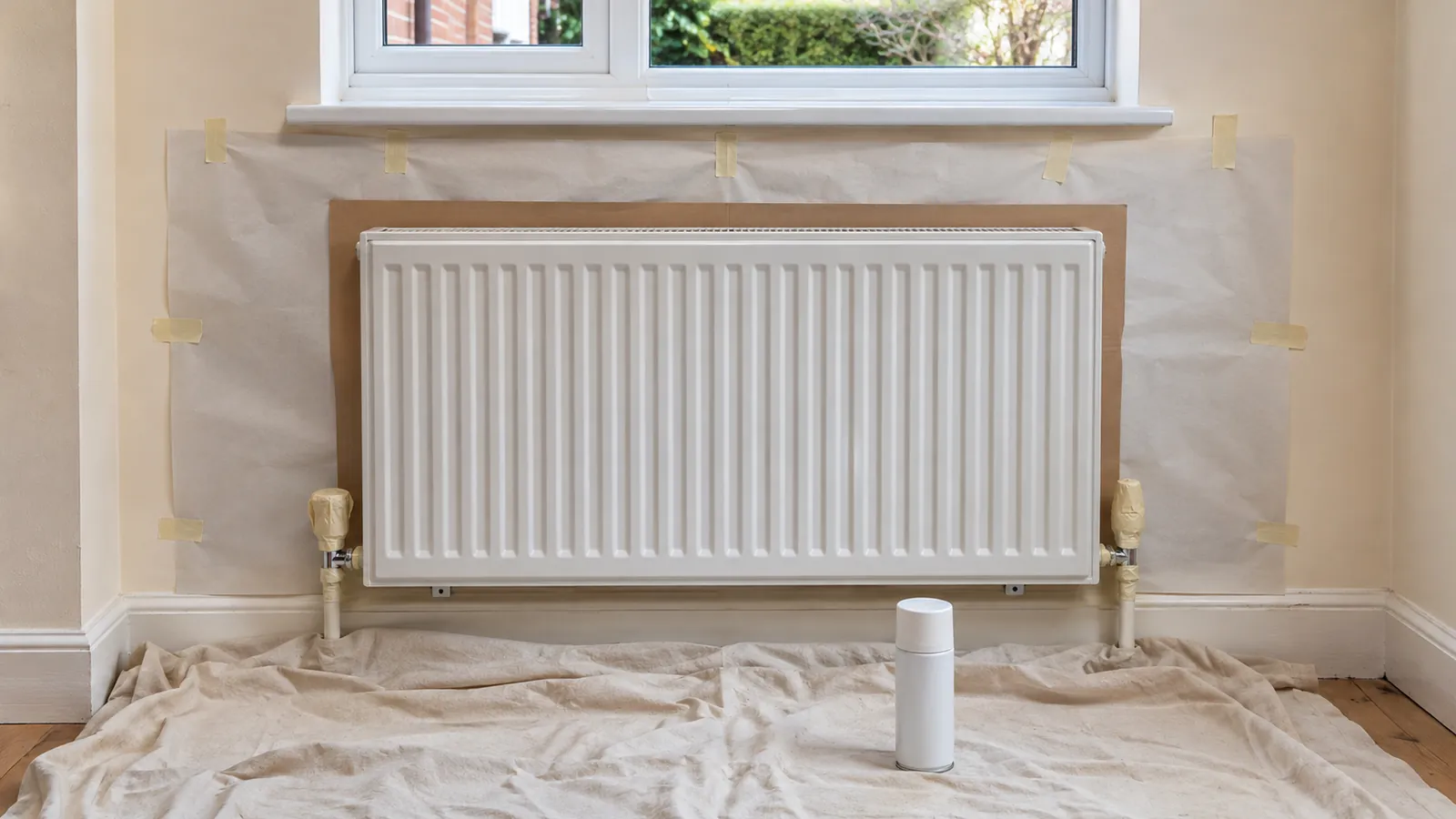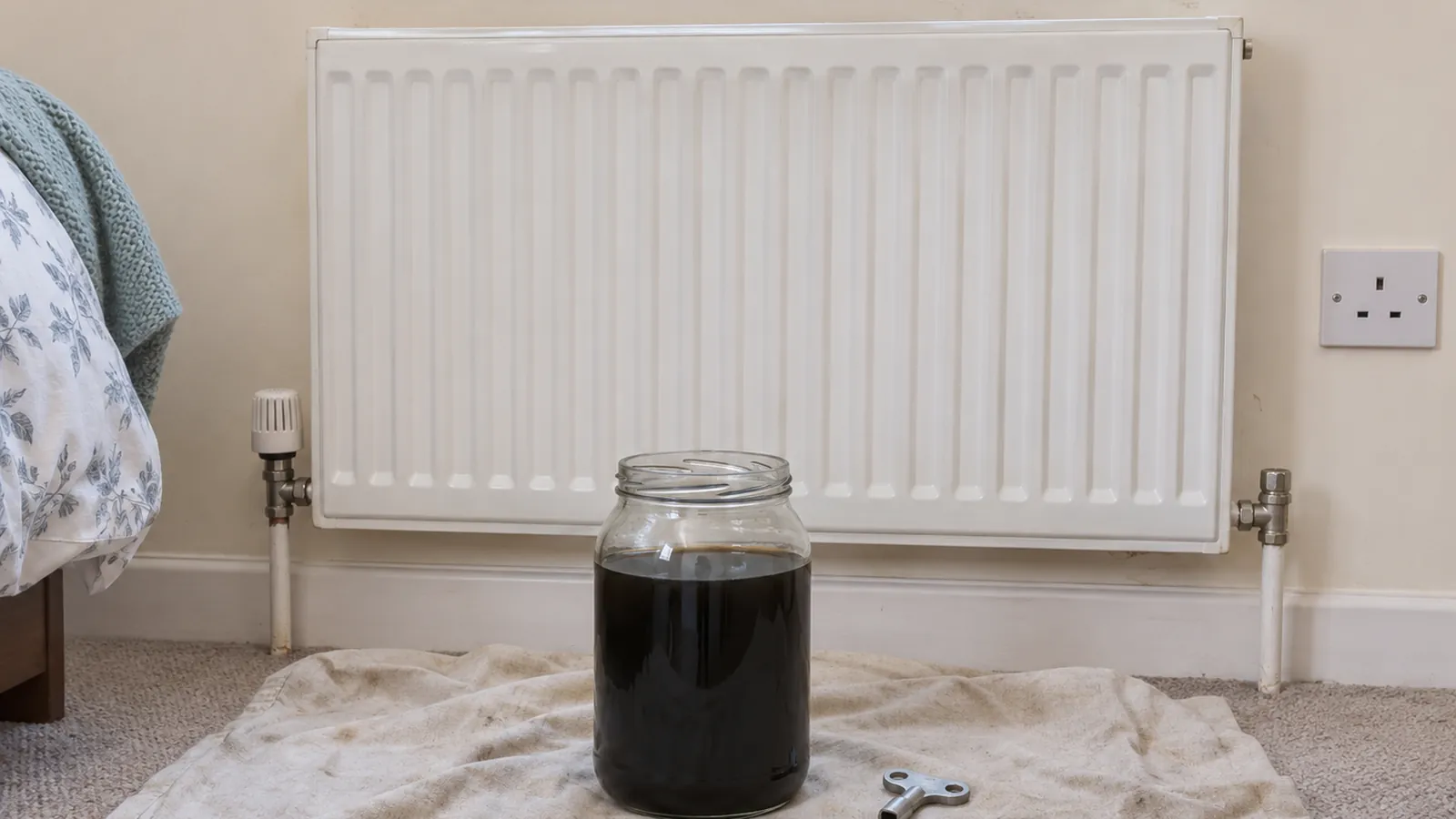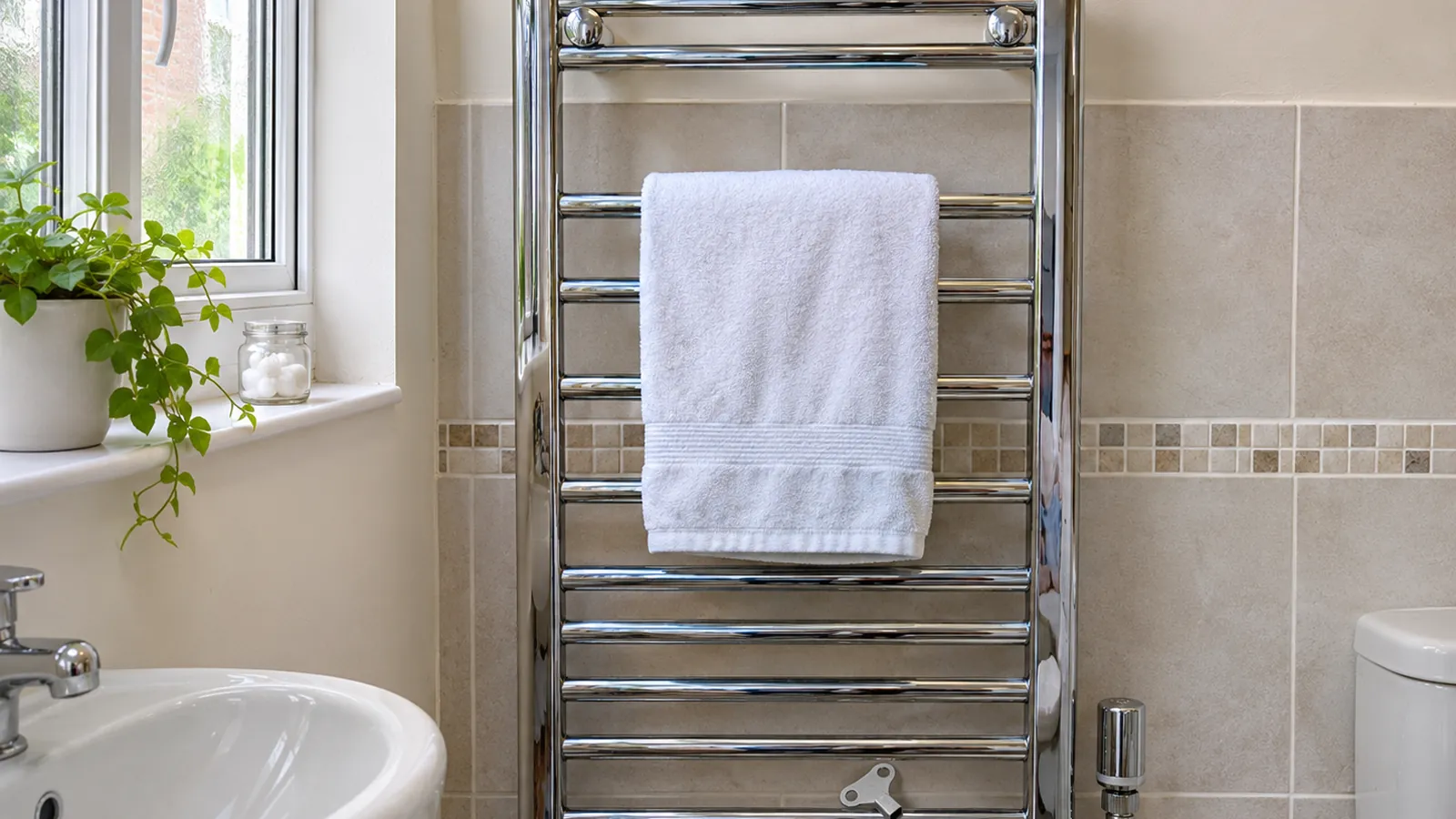


Often, but not always, and rarely every one. A heat pump runs most efficiently when it sends water round at about 35 to 50°C, much cooler than the 70°C or so many boilers use. Radiators give out far less heat at lower temperatures (often around a third of their catalogue rating at a 45°C flow), so some rooms need a bigger radiator, a double panel instead of a single, or an extra one. The installer should work this out room by room from a heat loss calculation. You don't need special "heat pump radiators": ordinary steel panel radiators work, they just need to be big enough.
The radiator question comes up in nearly every heat pump forum thread, along with the worry that you'll need to replace everything. Usually you won't. For the wider decision, see our combi boiler vs heat pump comparison, and more help is on our heating hub.
Why heat pumps need more radiator surface
A heat pump's efficiency falls as the water temperature rises. Running at 45°C instead of 55°C can make a big difference to the electricity it uses over a winter. So installers design systems to run as cool as they can while still heating the house.
A radiator's heat output depends on the difference between the radiator's average temperature and the room. With a boiler, radiators are often 60 to 70°C on average, so the gap to a 20°C room is 40 to 50°C. With a heat pump at 45°C flow, the radiator might average 40°C, a gap of only 20°C. Less temperature difference means much less heat.
Radiator output at heat pump temperatures
Radiator catalogues quote output at ΔT50, a 50°C difference between the average water temperature and the room. That's a boiler figure. At heat pump temperatures you multiply the catalogue output by a correction factor. Exact factors come from each manufacturer's tables, but typical figures for steel panel radiators are:
| Flow temperature (approx.) | Mean water temp | ΔT (room at 20°C) | Approximate output vs catalogue |
|---|---|---|---|
| 75°C (old boiler) | 70°C | 50 | 100% |
| 55°C | 50°C | 30 | about 51% |
| 50°C | 45°C | 25 | about 39 to 40% |
| 45°C | 40°C | 20 | about 30% |
| 40°C | 35°C | 15 | about 20% |
These assume the water cools by about 5°C as it goes through the radiator, which is typical for heat pump designs. Check the manufacturer's own tables for a specific radiator.

A worked example
Say your living room needs 1,500W (1.5kW) of heat on a cold day. That figure comes from a heat loss calculation, which an MCS installer must do.
- At 45°C flow, a radiator gives about 30% of its catalogue output.
- So you need a radiator rated at about 1,500 ÷ 0.30 = 5,000W at ΔT50.
That's a big radiator, or two radiators sharing the load. A common 600mm × 1,200mm double panel convector radiator is rated at roughly 2,000 to 2,300W at ΔT50 depending on the model, so you'd need around two of those, or a taller or longer one, to heat that room at 45°C.
At 50°C flow (about 40% output), you'd need about 3,750W of catalogue rating instead. That's why some installers design for a slightly higher flow temperature in older, leakier homes, trading a bit of efficiency for fewer radiator changes.
Which radiators usually need changing?
From installer quotes discussed on forums and MCS guidance, the rooms most likely to need bigger radiators are:
- Living rooms, which are kept warmest (often designed at 21°C) and are often large
- Rooms with big windows or patio doors
- Rooms with two outside walls, like corner bedrooms
- Bathrooms, which are designed warmer (often 22°C), and where a small towel rail rarely gives enough heat on its own
Bedrooms often keep their radiators, because they're designed at a lower temperature (often 18°C) and existing radiators are frequently oversized already.
Improving insulation shrinks the heat loss and therefore the radiator you need. Loft insulation, draught-proofing and better glazing can mean a room keeps its radiator. See our loft insulation guide and draught-proofing guide.
Do you need special heat pump radiators?
No. Standard steel panel radiators work well. What matters is output at your design temperature. Options include:
- Double or triple panel convector radiators (types 22 and 33), which give much more heat per metre of wall than single panels
- Fan-assisted radiators, which use small fans to boost output at low temperatures. They're compact but cost more and make a little noise.
- Underfloor heating, which suits heat pumps very well because the huge floor area works at low temperatures. See our underfloor heating manifold guide.
Aluminium radiators heat up and cool down faster, but for a heat pump running steadily for long periods, that matters less than with a boiler.

What about the pipes?
Heat pumps move more water than boilers, at a smaller temperature drop. Older homes with 8mm or 10mm microbore pipes to the radiators sometimes struggle to get enough flow through bigger radiators. Installers check this during the survey, and sometimes a few runs need upsizing. It's a common reason quotes vary.
What new radiators cost in 2026
Rough 2026 estimates, and what moves the price is size, brand, how many pipe changes are needed, and whether walls need making good:
| Item | Typical cost |
|---|---|
| Standard double panel convector radiator (medium size) | £80 to £200 to buy |
| Larger or triple panel radiator | £150 to £400 to buy |
| Fitting each radiator (like-for-like position) | £150 to £350 labour |
| Pipework changes or upsizing | Adds £100 to £400+ per radiator |
If your installation is under the Boiler Upgrade Scheme, radiator upgrades the installer specifies are usually included in the quote rather than bought separately, so compare whole quotes.
Questions to ask your installer
- What flow temperature is the system designed for?
- Can I see the room-by-room heat loss and radiator outputs?
- Which radiators are being changed, and why?
- Are any pipes being upsized?
- Have you allowed for the bathroom being warmer than the rest of the house?
A good installer will show you these numbers without fuss.
FAQs
Do heat pumps need bigger radiators?
Often in some rooms, because heat pumps run radiators cooler. A heat loss calculation shows exactly which rooms need upgrading.
Can I keep my existing radiators with a heat pump?
Some, often most of them. Rooms with low heat loss or oversized radiators can usually keep theirs.
What is the best radiator for an air source heat pump?
A standard double or triple panel convector radiator sized for your design flow temperature. Fan-assisted radiators help where wall space is tight.
How much heat does a radiator give at 45°C?
Roughly 30% of its catalogue (ΔT50) rating, assuming a 20°C room and a typical heat pump temperature drop. Check the manufacturer's tables for exact figures.
Do I need underfloor heating with a heat pump?
No. Radiators work fine if they're sized correctly. Underfloor heating is an option, especially in extensions or new floors.
Will a heat pump work with microbore pipes?
Sometimes, but microbore can limit flow to larger radiators. The installer should check and may need to upsize some pipes.
- Heat pumps run cooler, so radiators give out much less heat.
- At 45°C flow, expect around 30% of the catalogue (ΔT50) output.
- Usually only some rooms need bigger radiators: living rooms, bathrooms, rooms with big windows.
- Ordinary double or triple panel radiators work; you don't need "special" ones.
- Insist on a room-by-room heat loss calculation.