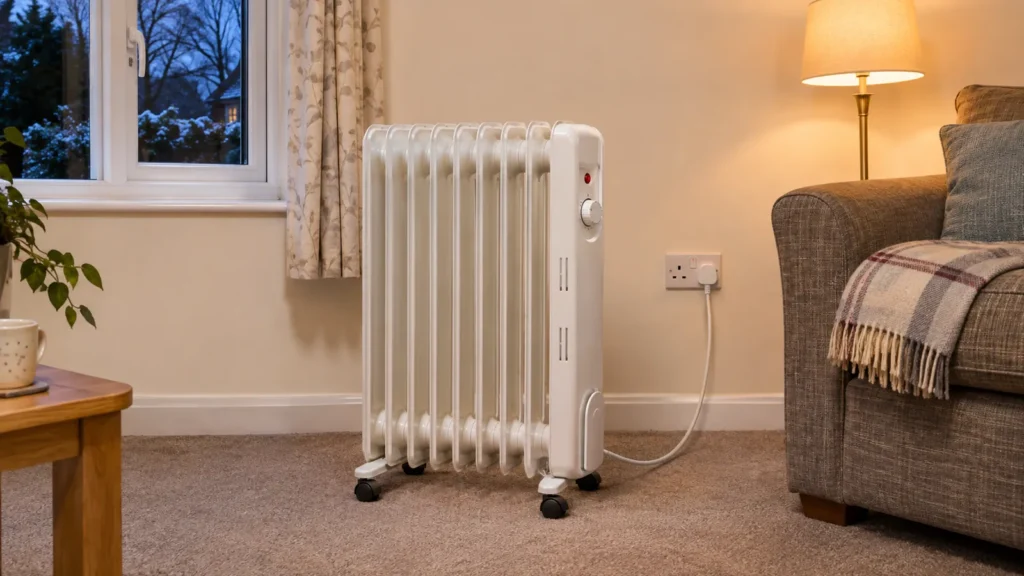
Energy prices in the UK are set quarterly by the Ofgem price cap, and electricity costs roughly three times as much per kWh as gas (about 26p vs 8p under the October–December 2026 cap). That one fact explains most of the "cheapest way to…" questions we get: what matters is how many watts something uses, for how many hours, and whether you're paying gas or electricity prices for the heat.
Use the calculator below for any appliance, then dig into the guides.
Appliance running cost calculator
– · Default price: Ofgem price cap average, 1 Oct–31 Dec 2026. Check your bill for your exact unit rate.
Start here
- What's the cheapest electric heater to run? (Honest answer)
- Does a dehumidifier dry clothes? Running costs compared
How to work out any running cost
- Find the wattage on the appliance label or manual (e.g. 2,000W = 2kW).
- Multiply kW by hours used to get kWh.
- Multiply kWh by your unit rate (on your bill, in pence per kWh).
Example: a 2kW heater for 3 hours = 6kWh × 26p = £1.56.
Running costs
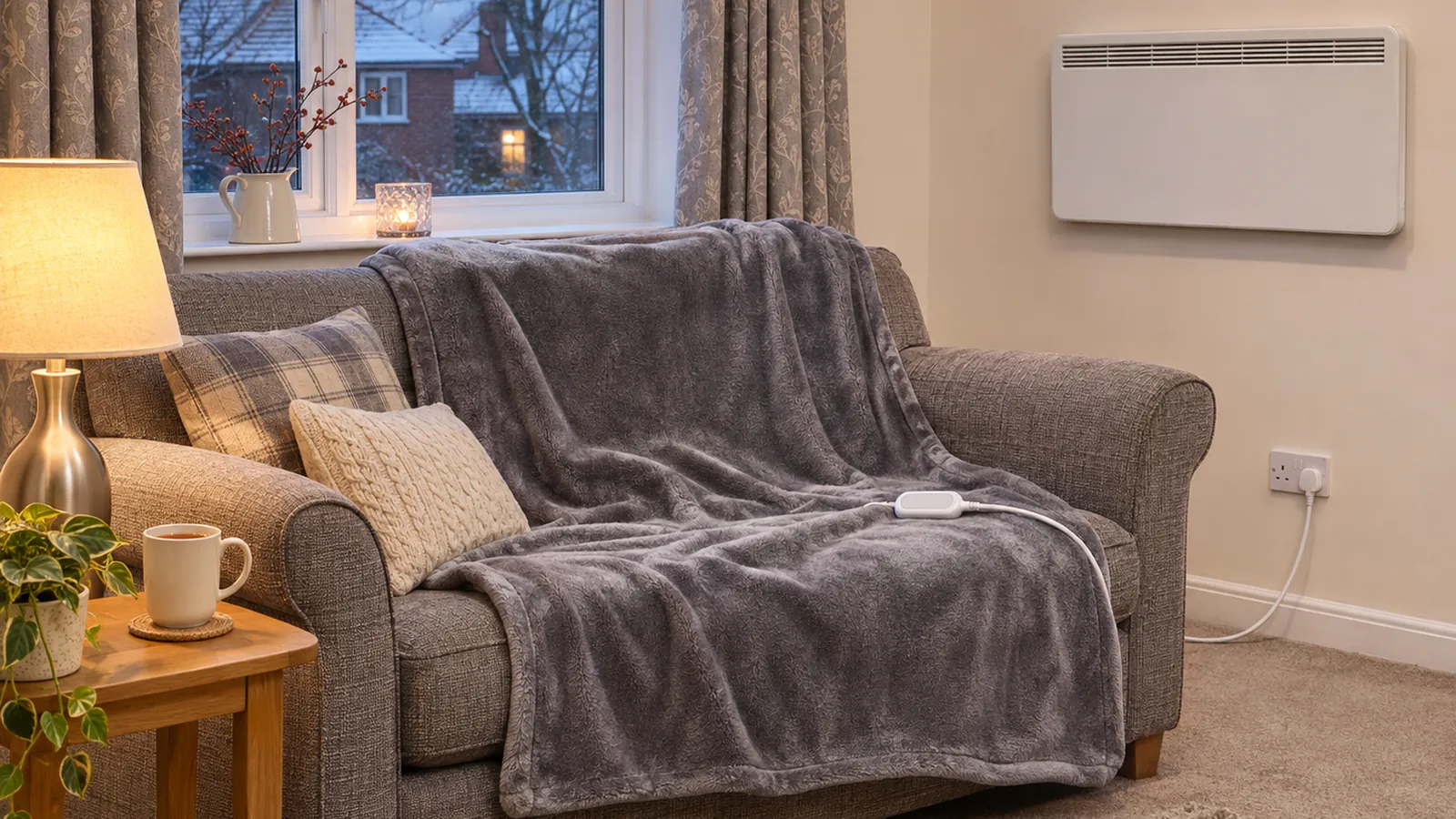 Energy SavingWhat’s the Cheapest Electric Heater to Run? (Honest UK Answer)Every electric heater turns electricity into heat at the same rate. Here's what actually makes one cheaper to run, with real UK costs per hour.6 min readRead
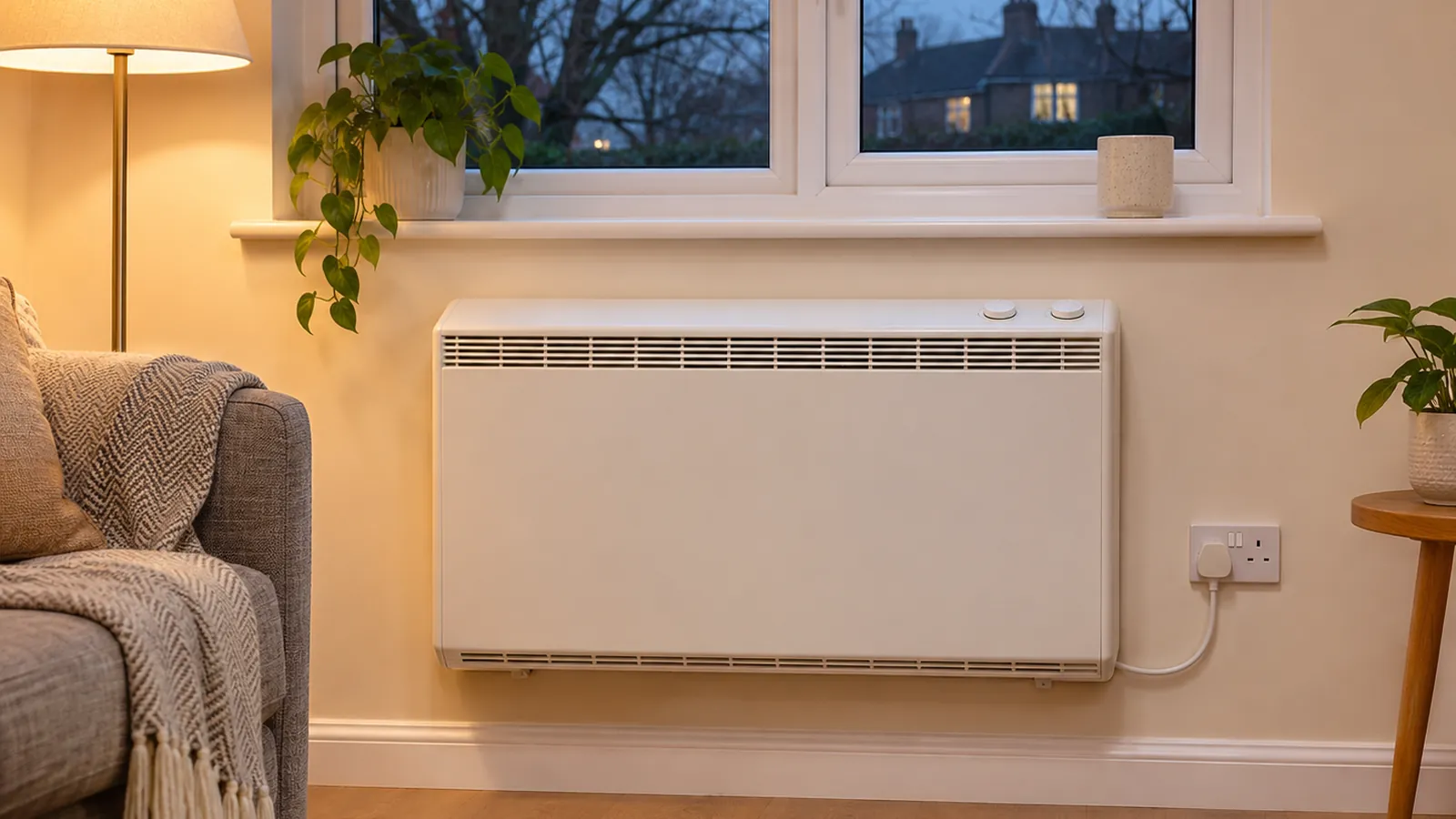 Energy SavingEconomy 7 Storage Heaters: How to Use Them, Times, Costs and SettingsHow to set Economy 7 storage heaters so they're warm when you need them and cheap to run, plus Economy 7 times, costs, modern heaters and grants.6 min readRead
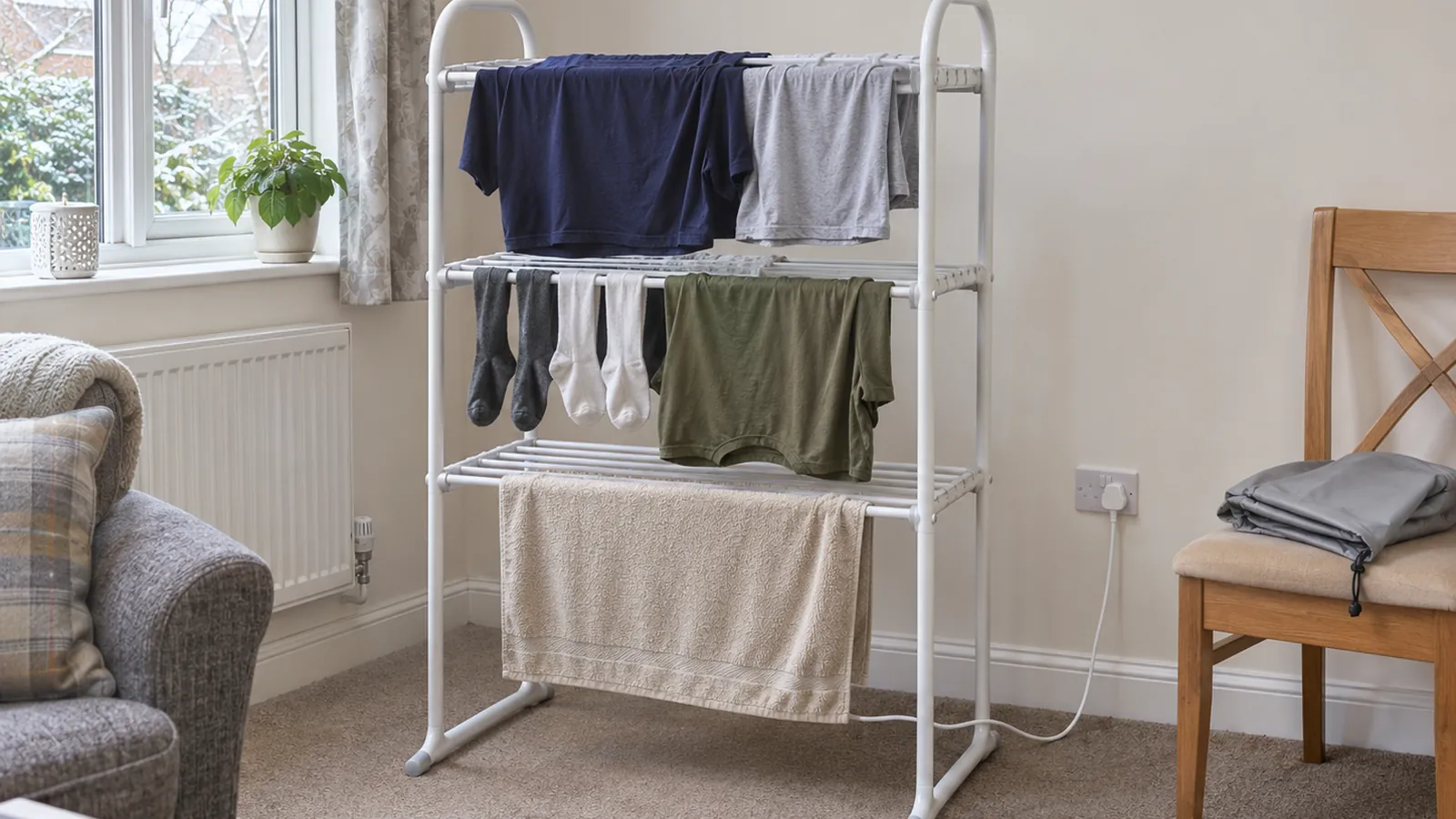 Energy SavingHeated Clothes Airers: Are They Worth It? Running Costs, Types and How to ChooseA heated airer costs pennies an hour to run, but it isn't right for every home. Real running costs, drying times, which type to buy and the trick that halves drying time.6 min readRead
Electric heaters
Oil-filled, halogen, panel, fan and storage heaters compared, plus Economy 7.
- Energy SavingWhat’s the Cheapest Electric Heater to Run? (Honest UK Answer)Every electric heater turns electricity into heat at the same rate. Here's what actually makes one cheaper to run, with real UK costs per hour.6 min readRead
- Energy SavingEconomy 7 Storage Heaters: How to Use Them, Times, Costs and SettingsHow to set Economy 7 storage heaters so they're warm when you need them and cheap to run, plus Economy 7 times, costs, modern heaters and grants.6 min readRead
Drying and laundry
Heated airers, dehumidifiers and tumble dryers: the real cost per load.
- Energy SavingHeated Clothes Airers: Are They Worth It? Running Costs, Types and How to ChooseA heated airer costs pennies an hour to run, but it isn't right for every home. Real running costs, drying times, which type to buy and the trick that halves drying time.6 min readRead
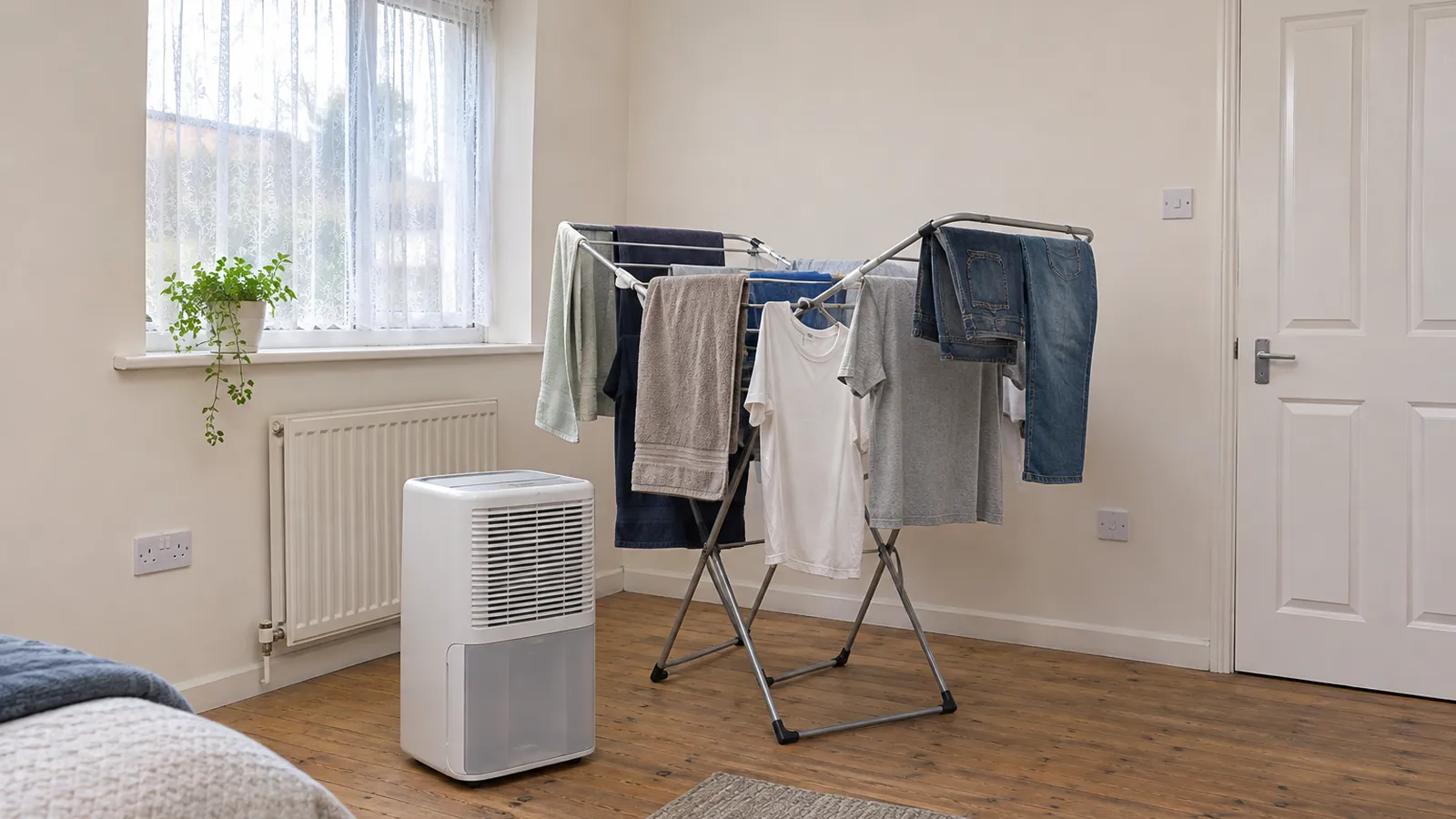 Damp & MouldDoes a Dehumidifier Dry Clothes? How Long It Takes and What It CostsYes, and it's one of the cheapest ways to dry washing indoors in winter. How long it takes, what it costs per load, and how to set it up properly.5 min readRead
FAQs
Is it cheaper to heat one room with an electric heater or use central heating?
If you only use one room for a few hours, a small electric heater can cost less overall than heating the whole house with gas. For heating several rooms, gas central heating is usually much cheaper per unit of heat, because gas costs less than a third of the price of electricity per kWh.
What uses the most electricity in a UK home?
Anything that makes heat: electric showers, kettles, ovens, tumble dryers, immersion heaters and electric heaters. Fridges and freezers use less power but run 24/7, so they add up over a year.
Does leaving things on standby cost much?
A few pounds a year per device for most modern electronics, but older TVs, set-top boxes and games consoles can use more. Switching off at the wall is an easy saving.