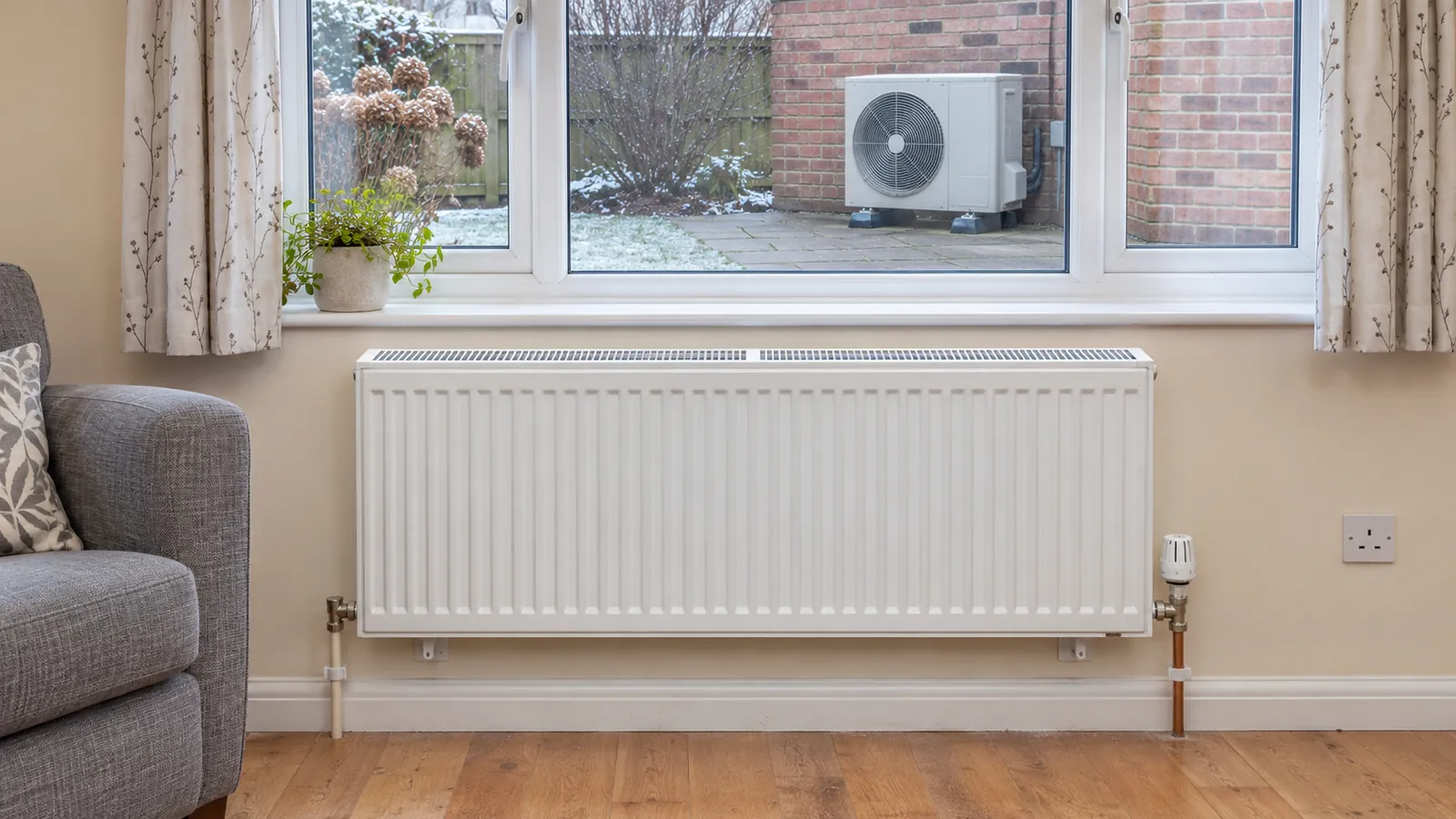


Use a paint made for radiators (such as a radiator enamel aerosol), not ordinary spray paint, because it's formulated to cope with the heat without cracking or discolouring. Turn the heating off and let the radiator go fully cold, clean it with sugar soap, key it with fine sandpaper, then mask the wall, floor and valves. Spray several light coats from about 20 to 30cm away, and leave the paint to harden for at least a day before you turn the heating back on.
Spraying is the easiest way to paint a radiator well. A brush leaves streaks in the dips between the panels and gets nowhere near the fins, while a few thin passes from a can give a factory-looking finish. Most of the work is in the preparation, and that's where most people cut corners. For more on keeping radiators working properly, see our heating guides.
Which spray paint should you use on a radiator?
Buy a product sold as radiator paint or radiator enamel. Hammerite, Rust-Oleum and the big DIY sheds all sell radiator aerosols in white gloss and satin, and some do colours. The label matters because ordinary aerosols aren't tested for repeated heating and cooling, and they can soften, crack or turn yellow on a hot panel.
A modern gas boiler sends water round at well under 80°C, so you don't need "high heat" paint rated to hundreds of degrees. That kind of paint is made for stoves and fire surrounds, comes in limited finishes and is the wrong choice for a living-room radiator. Hammerite's radiator satin aerosol, for example, is listed by retailers as heat resistant to about 150°C, which is well above anything a domestic radiator reaches.
Gloss or satin? Gloss is easier to wipe clean but shows every dent and bit of old flaking paint. Satin hides imperfections better and looks more modern. On an older radiator with a few knocks, satin is the kinder choice.
How much do you need? A typical 400ml can covers one small to medium single panel radiator with two coats. A big double panel convector with fins needs two cans, sometimes three if you're covering a darker colour. Buy one more than you think: running out halfway through and switching to a different batch can leave a visible change in shade.
Should you take the radiator off the wall first?
You don't have to. Painting in place is fine for the front, top and sides, which is all anyone sees. The back and the wall behind it are the awkward bits.
Take it off if:
- the wall behind it also needs painting or wallpapering
- the radiator is badly rusted at the back or bottom and needs proper treatment
- you want a perfect finish on a radiator that's on show from the side, like one in an open-plan room
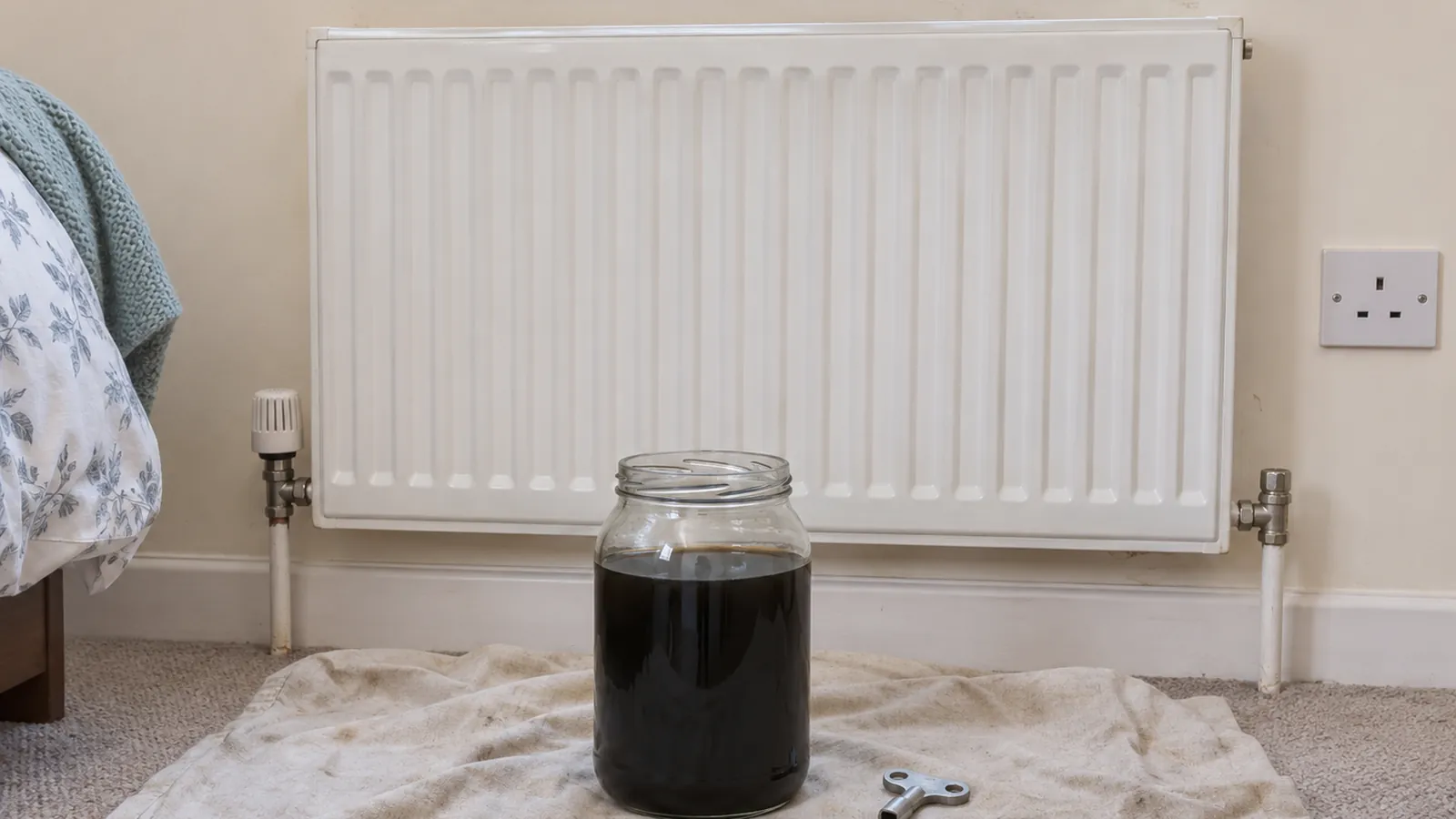
Taking a radiator off means closing both valves, undoing the nuts and draining the water out of it, which is messier than it sounds (old radiators hold black sludge that stains carpets). If your system is a sealed combi, you'll also need to top the pressure back up afterwards. Our boiler pressure guide covers that. For most people, painting in place with careful masking is the sensible choice.
How to spray paint a radiator without removing it
1. Turn the heating off and let it cool completely
Paint sprayed onto a warm radiator dries too fast, goes grainy and can run. Switch the heating off at least a couple of hours before you start and check by hand that the whole radiator is cold, including the bottom.
2. Clean off the grease and dust
Radiators collect a surprising amount of greasy dust, especially in kitchens and hallways. Wash the whole thing with sugar soap and warm water, rinse with clean water and let it dry. Use a long radiator brush or a duster on a stick to get the fluff out from between the panels and fins, because any dust you leave will end up stuck in the paint.
3. Sand and treat any rust
Lightly sand the whole surface with fine sandpaper (around 240 grit, or a fine sanding sponge). You're only taking the shine off so the new paint grips. Sand any chipped or flaking areas back until the edges feel smooth. If there's rust, take it back to bare metal, then use a metal primer or a rust treatment on those spots before the topcoat. Wipe off the dust with a damp cloth and let it dry again.
If the radiator was painted with gloss years ago and the surface is very shiny, the sanding step matters even more. New paint sprayed straight onto old gloss can peel off in sheets later.
4. Mask everything properly
Spray mist travels further than you expect. Before you start:
- slide a sheet of stiff card or hardboard down behind the radiator to protect the wall
- cover the floor with a dust sheet that goes at least a metre out each side
- wrap the valves, the bleed screw and any exposed pipe in masking tape or cling film
- tape newspaper or masking paper to the wall around the radiator, about 30cm out
- open a window and close internal doors
Don't paint the valves or the bleed screw. Paint on a valve head can stop it turning, and a painted bleed screw is a pain to open next winter.

5. Spray thin coats
Shake the can for a full two minutes after the ball starts rattling. Hold it 20 to 30cm from the surface and keep it moving in steady side-to-side passes, starting and stopping the spray off the edge of the radiator rather than on it. That's how you avoid blobs at the ends.
The first coat should look patchy. That's normal. Heavy coats are what cause runs and drips, and they also clog the gaps in the fins. Leave it the time stated on the can before the next coat (often 15 minutes to a couple of hours depending on the product), then build up two or three light coats until the colour is even.
For the back and the fins behind the front panel, spray at an angle from the top and sides and accept that you won't reach every millimetre. Nobody looks down the back of a radiator.
6. Let it harden before you heat it
Touch dry and fully hardened aren't the same thing. Product information for radiator enamels varies, with touch-dry times of a few hours and recoat times of up to about 16 hours. Leave the paint for at least 24 hours before you turn the heating back on, longer if the room is cold. Then turn the heating up gradually for the first run. The paint may smell slightly the first time it gets hot, so keep a window open.

Why do white radiators turn yellow?
Solvent-based white gloss, particularly older oil-based paint, can yellow with heat and age, and it yellows faster in rooms with little daylight. Radiator-specific paints are formulated to resist this, which is one of the main reasons to use them over ordinary white gloss. If you're repainting a radiator that has already gone cream, sand it well so the new paint grips, and expect it to need an extra coat to cover.
Can you brush radiator paint instead?
Yes, and tins of radiator enamel are sold for brushing. It's better for small touch-ups, for painting the radiator the same colour as the wall, or if you can't ventilate the room for spraying. Use a small mini roller on the flat front and a narrow brush for the edges and grooves. The finish won't be as even as spraying, but it's less messy.
Can you paint a radiator the same colour as the wall?
You can. Some people use ordinary emulsion or eggshell on radiators, and it often works well enough on a modern system that never runs very hot. But wall paint isn't designed for heat, and it can discolour or crack over time, so most decorators use a radiator paint in a matching colour, or prime the radiator and use a heat-tolerant eggshell. If the room colour matters to you, some paint brands mix radiator enamel to order.
Does painting a radiator reduce its heat output?
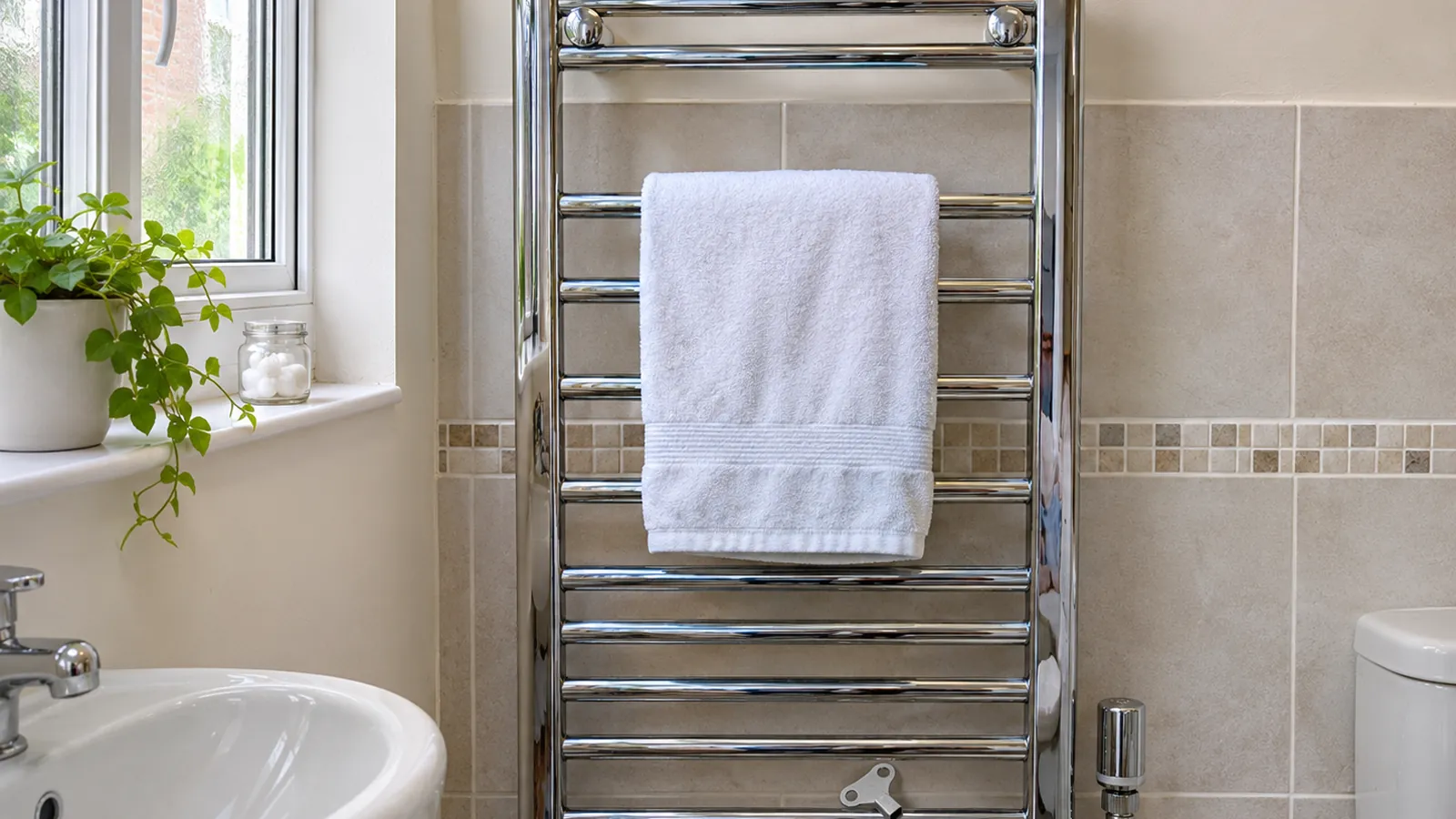
Not in any way you'd notice. A few thin coats of paint make a negligible difference. What does affect output is paint clogging the fins, which is another reason to spray thin coats. If your radiator is cold at the top or patchy after painting, that's air or sludge, not paint. See our guide to a towel radiator not heating up for how to bleed and check it.
Getting it right if you're also changing the heating
If you're planning to swap your boiler or move to a heat pump in the next year or two, think about whether the radiators themselves will change. Heat pumps often need bigger radiators in some rooms. Our guide to radiators for air source heat pumps explains why, so you don't spend a weekend painting a radiator that's about to be replaced.
FAQs
What is the best spray paint for radiators?
A spray labelled as radiator paint or radiator enamel, from brands like Hammerite or Rust-Oleum. It's formulated to cope with heat without yellowing or cracking. Avoid ordinary aerosols and "high heat" stove paint.
How long after painting a radiator can I turn it on?
Give it at least 24 hours, and longer in a cold room. Check the can for its own curing time, then warm it up gradually the first time.
Do I need to prime a radiator before spray painting?
Not if the old paint is sound and you've cleaned and lightly sanded it. Prime only bare metal and any rusty patches you've sanded back.
Can you spray paint a radiator while it's hot?
No. The paint dries before it flows out, leaving a rough, grainy finish, and it's more likely to run. Wait until the radiator is completely cold.
How do you paint behind a radiator without removing it?
Spray at an angle from the top and sides for the bits you can reach, and use a long-handled radiator roller or a thin brush taped to a stick for the wall behind. A sheet of card held behind the radiator stops overspray hitting the wall.
How many cans of radiator spray paint do I need?
Usually one 400ml can for a small single panel radiator and two for a larger double panel, for two coats. Buy an extra can so you don't run out mid-coat.
- Use radiator paint, not ordinary spray paint or high-heat stove paint.
- The radiator must be completely cold before you spray.
- Clean with sugar soap, sand lightly and treat rust before painting.
- Mask widely, spray several thin coats, and keep paint off the valves.
- Wait at least 24 hours before turning the heating back on.