

You can't replace or alter the windows of a listed building without listed building consent from your council, and doing the work without it is a criminal offence. Standard uPVC double glazing is almost never approved. But you do have options: secondary glazing fitted inside the existing windows, slim-profile or vacuum double glazing set into repaired historic frames (now accepted by many councils in the right cases), draught-proofing the sashes, and shutters or heavy curtains. Talk to your council's conservation officer before you spend anything.
Living in a listed home often means living with cold, draughty single-glazed windows. Attitudes have softened in recent years, and there are now well-proven ways to make old windows much warmer without harming the building. For the bigger picture, see our insulation and EPC guide.
It applies mainly to England and Wales. Scotland has its own system run through Historic Environment Scotland and local councils, and the principles are similar.
Do you need listed building consent for double glazing?
Almost always, yes. In England and Wales, listing protects the whole building, inside and out, not just the front. That includes the windows, frames, glazing bars, old glass and shutters, whatever the grade (Grade I, II* or II).
You need listed building consent for any work that affects the building's special character. Replacing windows, changing the glass, adding double glazing to existing frames and often even fitting secondary glazing can all count.
Working without consent is a criminal offence under the Planning (Listed Buildings and Conservation Areas) Act 1990. It applies to whoever carries out or causes the work, including the homeowner, not just the builder. Councils can also issue an enforcement notice requiring you to reverse the work at your own cost, often by putting back traditional windows. Unauthorised windows also cause problems when you sell, because a buyer's solicitor will ask for the consent paperwork.
There's no "it's only the back of the house" exception, and no grade where windows are free to change. Grade II is the most common grade (most listed homes are Grade II), and the same consent rules apply.
Is it the same in a conservation area?
Not quite. If your home is in a conservation area but not listed, the rules are less strict:
- Houses usually have "permitted development" rights to replace windows with similar ones without planning permission.
- Article 4 directions, used by many councils in conservation areas, can remove those rights. Then you need planning permission to change windows on the protected parts of the house, often the front.
- Flats don't have the same permitted development rights for windows, so a change that alters the look may need planning permission anyway.
Check your council's website or ask the planning department whether your street has an Article 4 direction before ordering new windows.
What do councils usually allow?
Every council decides case by case, and approaches still vary across the country. But Historic England's advice has shifted. Its 2024 guidance on adapting historic buildings for energy efficiency (Historic England Advice Note 18) says slim-profile and vacuum double glazing can be acceptable in listed buildings in the right circumstances.
In broad terms:
| Option | How councils typically view it |
|---|---|
| Repairing and draught-proofing original windows | Usually welcomed. Small, like-for-like repairs may not need consent, but check first |
| Secondary glazing on the inside | Often accepted, as it's reversible and leaves the original window untouched. Consent may still be needed |
| Slim-profile or vacuum double glazing in existing or new timber frames | Increasingly accepted where historic glass doesn't survive and the frames can carry the weight |
| Replacement timber windows matching the originals, with slim glazing | Possible where the originals are beyond repair |
| Standard uPVC double-glazed windows | Almost never accepted |
| Removing historic glass (crown or cylinder glass with ripples) | Usually resisted: old glass is part of the building's significance |
The deciding questions are usually:
- Is there historic glass? Wavy, bubbled old glass is valued and councils prefer to keep it.
- Are the original frames still there and repairable? Keeping them is the starting point.
- Can the frame take the extra weight and thickness of slim double glazing without changing its look or needing thicker glazing bars?
- Will it look the same from outside? Bar widths, profiles, reflections and the "double reflection" of two panes all matter.
Option 1: Secondary glazing
Secondary glazing is a second, separate window fitted on the room side of your existing window. It's the most widely accepted way to improve windows in listed buildings, because the original window stays as it is.

Types:
- Fixed panels: cheapest, but you can't open the window.
- Lift-out panels: removed in summer.
- Sliding (horizontal or vertical) units: the most common. Vertical sliders line up with the sashes so they're barely noticeable.
- Hinged units: open like a casement.
- Magnetic acrylic panels: a cheap, temporary DIY option that may not need consent if nothing is fixed to the historic fabric. Ask your council first.
Pros:
- Big improvement in warmth and draughts
- Excellent noise reduction, often better than double glazing because of the wide gap
- Reversible, so councils are more likely to accept it
- Keeps the original window and glass
Cons:
- Two windows to open for ventilation and cleaning
- Can clash with internal shutters, which may also be protected
- Condensation can form between the two layers if the inner unit is more airtight than the outer one. A good installer leaves the outer window slightly vented
Choose slim frames in a colour that matches your window or wall and line up the meeting rails with your sash rails. That's what conservation officers usually look for.
Option 2: Slim-profile and vacuum double glazing
Slim double glazing uses thin sealed units, often around 10–14mm thick in total, compared with around 24–28mm for standard units. Vacuum glazing is even thinner, close to the thickness of single glass, with a vacuum gap that insulates well.
They're designed to fit into traditional timber sashes and casements, often into the existing frames after a careful rebate is cut, or into new frames made to match the originals exactly.
When it's most likely to be approved:
- The existing glass is modern or broken, not historic
- The frames are robust enough to carry heavier glass
- The glazing bars can stay the same width and profile
- The joiner can show drawings and samples
Things to know:
- Double-glazed sashes are heavier, so sash weights usually need rebalancing.
- Sealed units can fail over time. See our guide to blown double glazing for what that means.
- Use a joiner who specialises in historic windows and has experience applying for consent.
Option 3: Repair and draught-proof the windows you have
Before glazing, fix the gaps. In a typical old sash window, a lot of the heat loss comes from air leaking around the sashes, not through the glass.

A specialist sash company can:
- Ease and rebalance the sashes so they slide properly
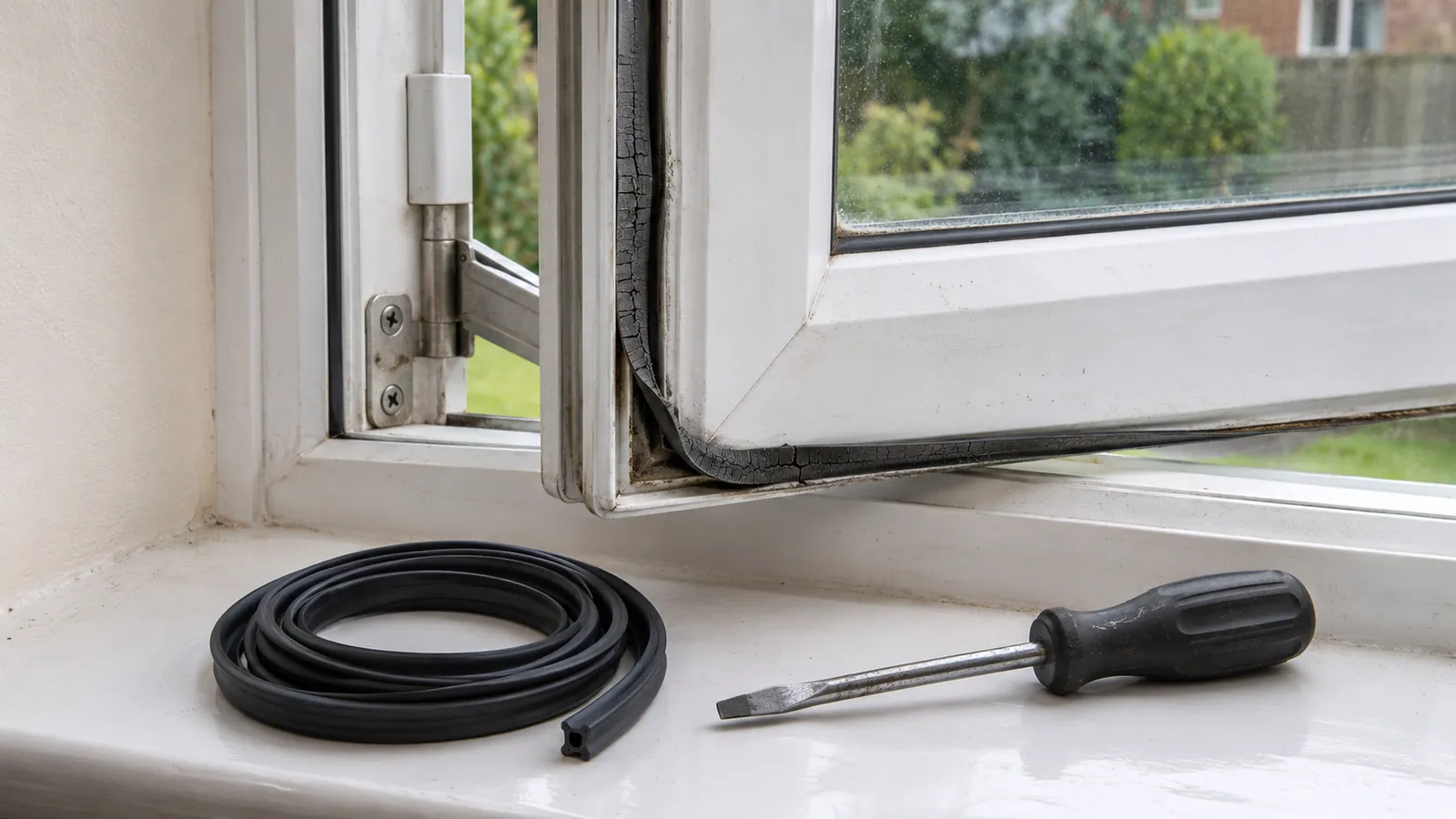
- Fit discreet brush seals into the beads and meeting rails
- Replace broken sash cords and repair rotten sections with matching timber
- Reputty and repaint, which also protects the frame
This is usually welcomed by conservation officers and is often the best value improvement you can make. Many small repairs don't need consent, but anything that changes the window's appearance does, so check first. Our draught-proofing guide covers the DIY side too.
Option 4: Shutters, curtains and blinds
Old-fashioned solutions work surprisingly well:
- Internal shutters: if your home has working shutters, restore and close them at night. If they're painted shut, careful repair is usually welcomed.
- Thick, lined curtains: thermal or interlined curtains drawn at dusk cut heat loss noticeably. Hang them close to the window, tucked behind a pelmet if you can.
- Cellular (honeycomb) blinds: trap a layer of air and fit inside the reveal.
None of these usually needs consent, as long as you don't fix anything into historic fabric that would cause damage.
How much does each option cost?
Prices vary widely with window size, condition, location and how much repair is needed. These are rough 2026 guide prices:
| Option | Typical cost per window (estimate) |
|---|---|
| Magnetic acrylic secondary panels (DIY) | £50–£200 |
| Professional secondary glazing | £300–£1,000+ |
| Sash window repair and draught-proofing | £200–£600+ |
| Slim or vacuum double glazing into existing sashes | £600–£1,500+ |
| New bespoke timber sash with slim double glazing | £1,500–£3,500+ |
| Restoring internal shutters | £200–£800+ |
You may also pay for drawings, a heritage statement and pre-application advice from the council (where it charges for it).
How to apply for listed building consent
The process in England and Wales goes like this:
- Talk to the conservation officer. Many councils offer pre-application advice, sometimes for a fee. Ask what they'd support for your windows. This saves time and money.
- Get a survey. A specialist joiner or heritage surveyor records the condition of each window, the type of glass and what can be repaired.
- Prepare your drawings and statement. Usually you'll need scaled drawings or sections of the existing and proposed windows (glazing bars, profiles, glass thickness), photos, and a heritage statement explaining the building's significance and why the work won't harm it.
- Apply. Submit online through the Planning Portal or your council's website. In England, there's normally no fee for a listed building consent application on its own.
- Wait for a decision. Councils aim to decide in around eight weeks. Historic England may be consulted for higher grades.
- Follow the conditions. Consent often comes with conditions, such as approving samples before work starts. Keep all the paperwork with your house deeds.
If you're refused, you can appeal, or revise the proposal, often to secondary glazing or slimmer units.
Do listed buildings need an EPC?
This one is confusing. Listed buildings aren't automatically exempt. Under the EPC rules, a listed building only falls outside the requirements where meeting them would unacceptably alter its character or appearance.
In practice:
- Many owners, agents and councils still get an EPC when selling or letting, because buyers, lenders and tenants ask for one.
- If you let a listed home, the minimum energy standards for private rentals can still apply. There's a process for registering an exemption, but only once you've done the improvements that wouldn't harm the building.
- Measures such as loft insulation, draught-proofing, heating controls and efficient lighting are often possible without harming a listed building.
Get specific advice from your council or a solicitor if you're letting a listed property. Our EPC certificate guide explains how ratings work, and the loft insulation guide covers a measure that usually helps without touching the windows.
Watch out for condensation and damp
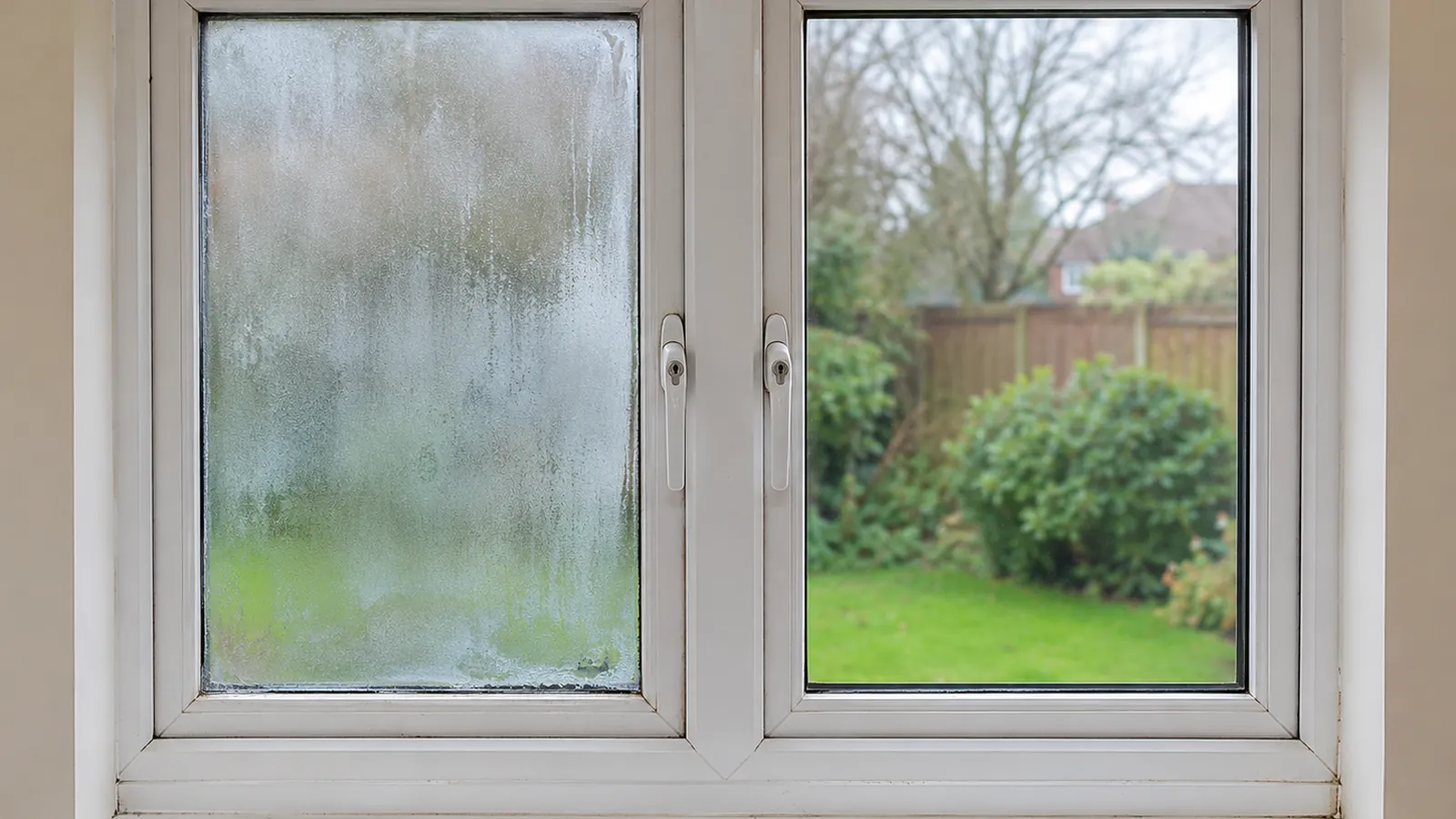
Old buildings are built to "breathe". When you make windows airtight, moisture that used to escape through draughts can end up on the coldest surfaces instead, often on old window reveals, shutters or solid walls.
- Keep some background ventilation, such as a slightly open window or trickle vent
- Use extractor fans in kitchens and bathrooms
- Watch for condensation on the inside of windows, and on the inner layer of secondary glazing
- Don't use non-breathable paints, plasters or sealants on historic fabric without advice
FAQs
Can you have double glazing in a grade 2 listed building?
Sometimes. Standard uPVC units are almost never allowed. Slim-profile or vacuum double glazing in timber frames may be approved, particularly where the original glass doesn't survive and the frames can take the weight. You always need listed building consent first.
Do I need consent for secondary glazing in a listed building?
Often yes, because it's fixed to the building's interior, which is also protected. Some councils don't require consent for simple, reversible secondary glazing. Ask your conservation officer before fitting it.
What happens if I fit double glazing without listed building consent?
It's a criminal offence. The council can prosecute and issue an enforcement notice requiring you to remove the windows and reinstate suitable ones at your expense. It also causes problems when you sell.
Is slim double glazing as good as normal double glazing?
It's usually not quite as good as a modern thick unit, but it's far better than single glazing. Vacuum glazing can perform very well despite being very thin.
How long does listed building consent take?
Councils aim to decide within about eight weeks of a valid application. Allow extra time for pre-application advice, drawings and any conditions.
Can I replace rotten sash windows in a listed building?
Repair is always the first choice. If a window is beyond repair, you may get consent to replace it with an exact timber copy. You still need consent before you start.
- Any change to the windows of a listed building needs listed building consent. Working without it is a criminal offence.
- Standard uPVC double glazing is almost never approved.
- Secondary glazing and draught-proofing are the most widely accepted upgrades.
- Slim-profile and vacuum double glazing are increasingly accepted where historic glass doesn't survive.
- Speak to your council's conservation officer before spending any money.