
Most double glazing lasts somewhere between 20 and 30 years, though the range is wide. The sealed glass units tend to fail first, often after 15 to 25 years, while the frame can carry on much longer. Timber and aluminium frames are usually quoted as outlasting uPVC if they're looked after. Misting between the panes, draughts, stiff or sagging windows and frames that have warped are the usual signs. Many of these can be fixed without replacing the whole window.
Nobody can give you one exact figure, and anyone who does is selling something. Lifespan depends on the quality of the original units, how well they were fitted, which way the window faces and how much water has sat on the seals. This page sits in our wider insulation and EPC section, and it's about working out whether yours are tired, repairable or finished.
Typical lifespan by frame material
The numbers below come from a spread of window makers and trade advice sites, and they disagree with each other. Treat them as ballpark figures, not promises.
| Frame | Commonly quoted lifespan | What usually goes first |
|---|---|---|
| uPVC | Around 20 to 30 years; some sources say 15 | Sealed units, hinges, handles and gaskets. The plastic can yellow or go brittle in strong sun |
| Aluminium | Often quoted at 30 to 45 years | Seals and gaskets, plus corrosion near the coast. Older frames without a thermal break are poor insulators even when sound |
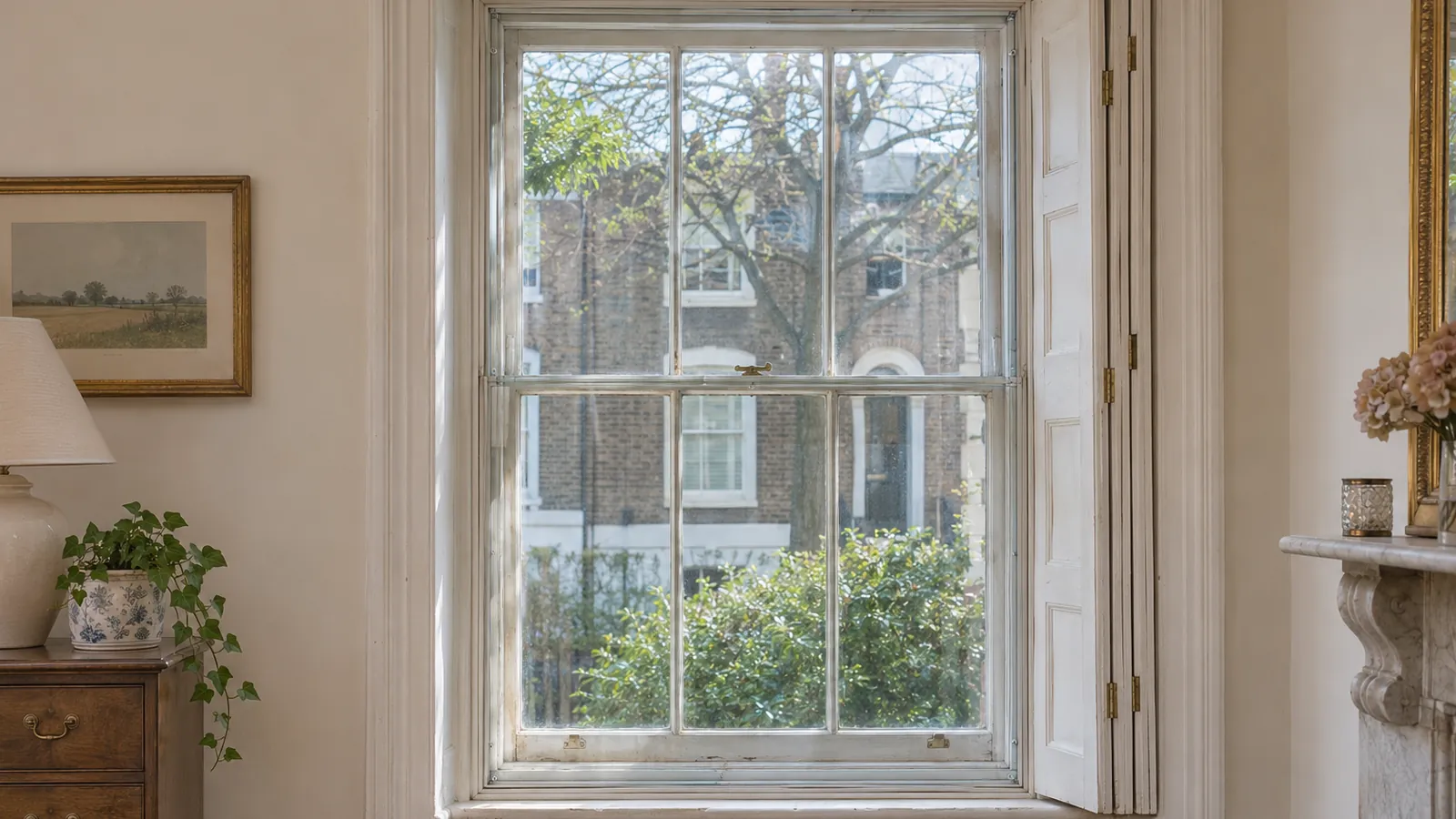
| Timber | Around 30 to 40 years with care, longer if well maintained | Rot at the bottom rail and sill if the paint or stain has been left to fail |
| Composite (timber inside, aluminium outside) | Quoted similarly to timber and aluminium | Less evidence, as they're newer |
Two things stand out. First, the wide spread is real: a window facing south over a sunny coast will not age like a sheltered north-facing one. Second, "the window" is really two things with different lives. The frame is hardware, the sealed unit is a sealed glass sandwich, and the sandwich usually gives up sooner. We cover the failure mechanism in our guide to blown double glazing.
If your windows are from the 1990s or early 2000s, they're now in the age bracket where problems start to show. That doesn't mean they need to come out this year.
Signs your double glazing is failing
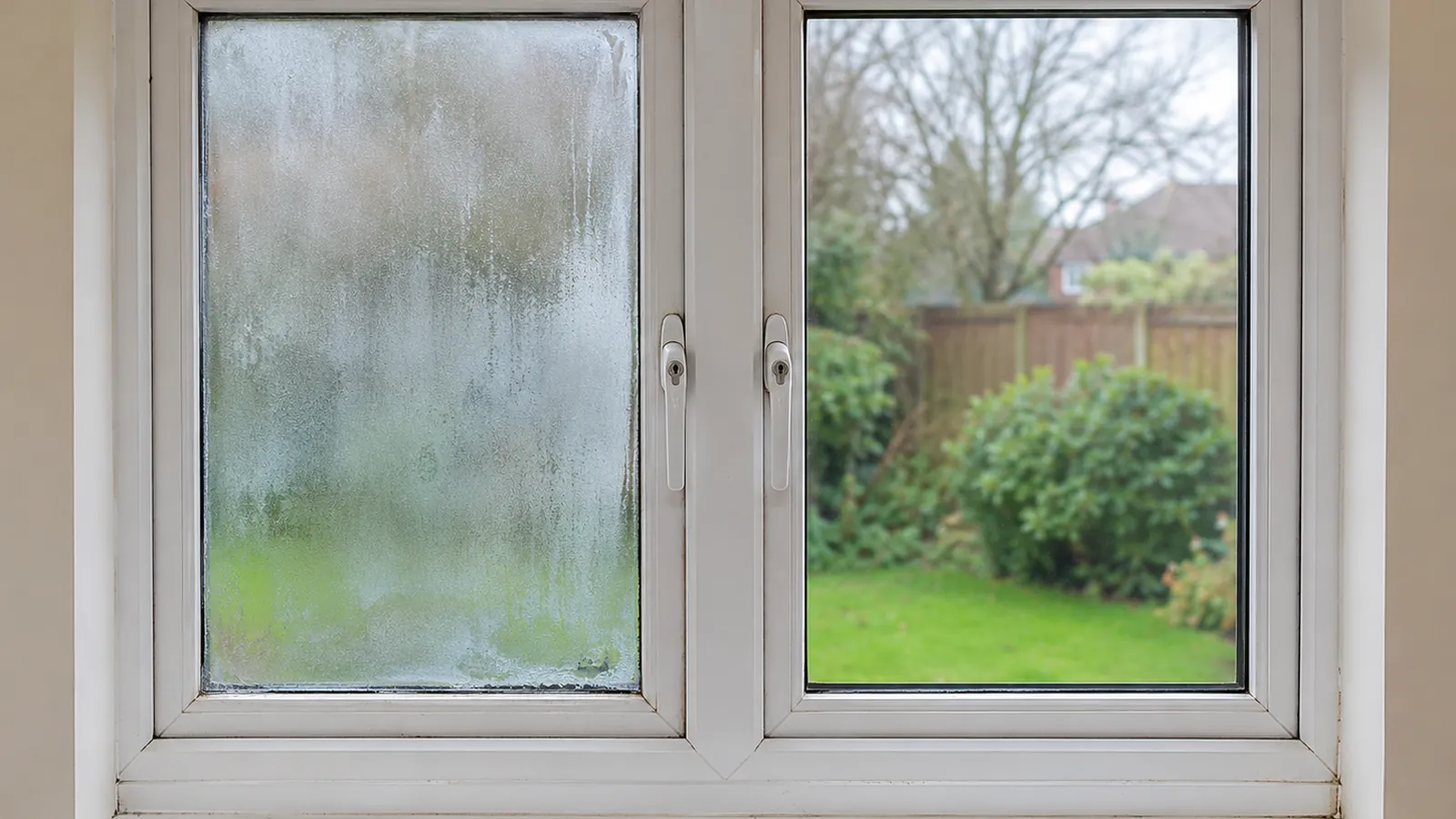
Misting or condensation between the panes
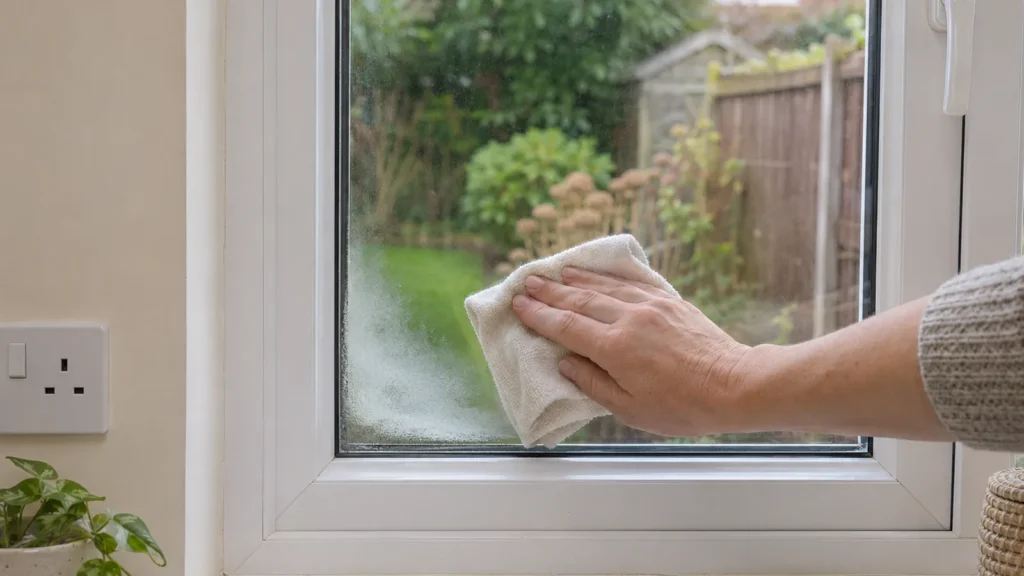
This is the clearest sign, and it means the seal has gone and damp air has got into the gap. You can't wipe it off because it's inside the unit. Moisture on the room side of the glass is a different problem (usually humidity in the house), and our guide to condensation on the inside of windows explains how to tell them apart.
Draughts you can feel
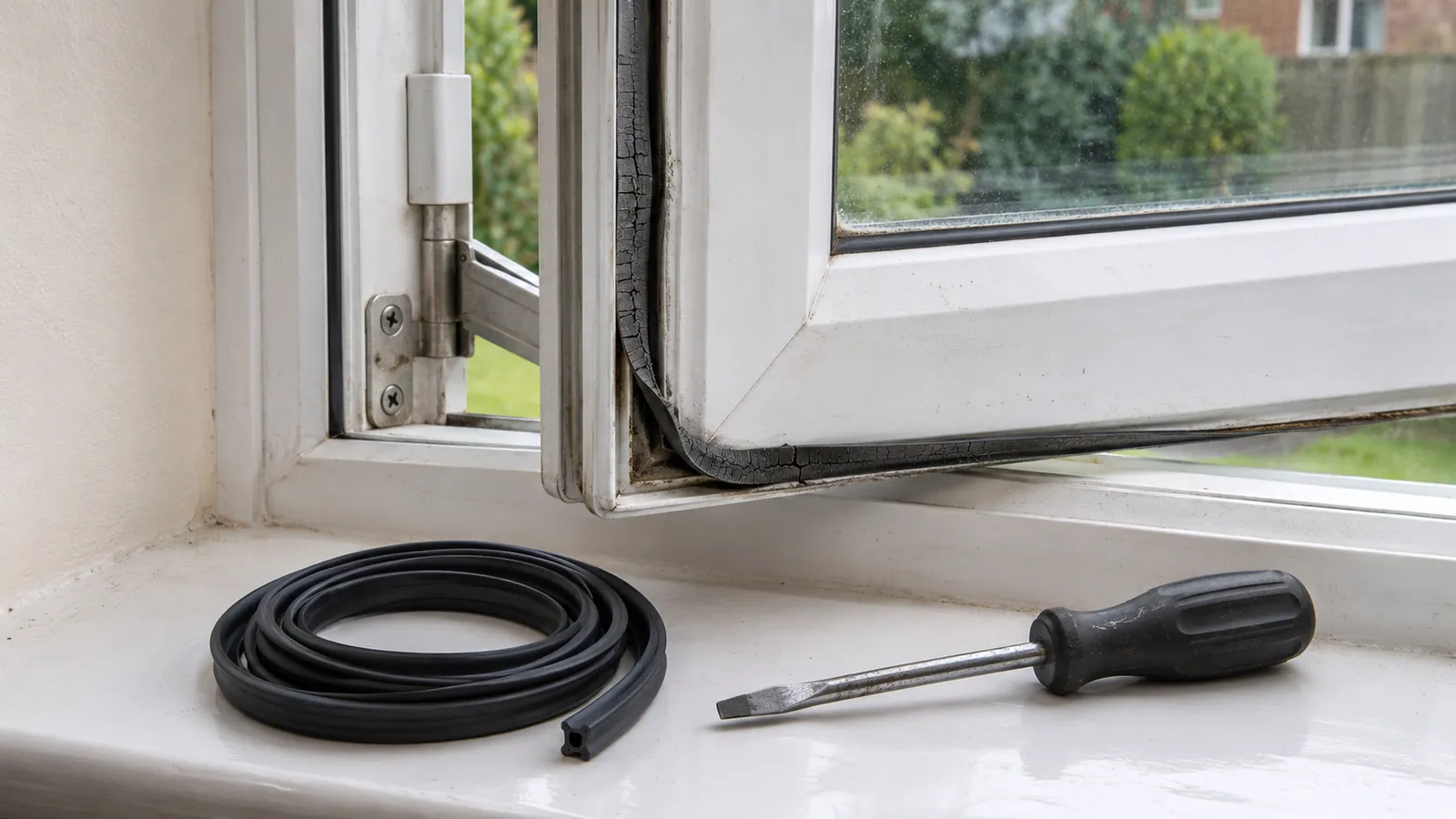
Hold the back of your hand near the edge of a closed window on a windy day. If you can feel moving air, or a candle flame flickers, the rubber gaskets or brush seals have perished or the sash has dropped out of true. Draughts are often fixable with replacement gaskets, so read our draught-proofing guide before you price a new window.
Cold glass, cold rooms and rising bills
A blown unit insulates less well. A drop in comfort near a particular window, with no other change, is worth noticing.
Stiff, sagging or rattling windows
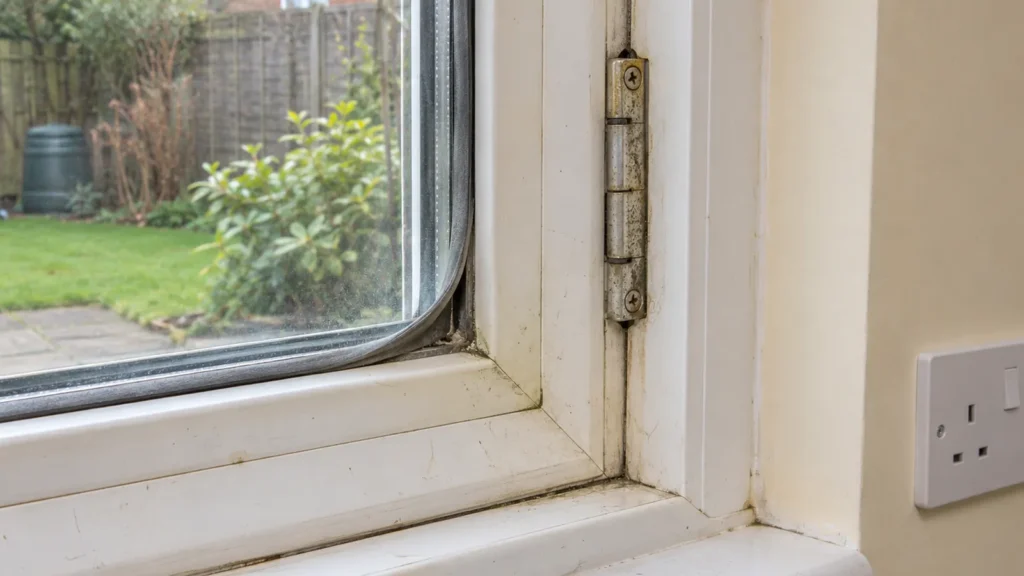
If a casement scrapes the frame when you close it, the hinges have probably worn or the sash has dropped. A handle that won't lock properly is a security issue as well as a comfort one. Hinges and locks are standard replacement parts on most uPVC windows, though very old or unusual systems can be hard to match.
Warped, cracked or discoloured frames
A uPVC frame that has bowed or cracked, or a timber frame with soft, spongy patches, is a bigger worry than a misted unit. Press a screwdriver tip gently into the bottom of a timber frame. If it sinks in easily, there's rot.
Water getting in
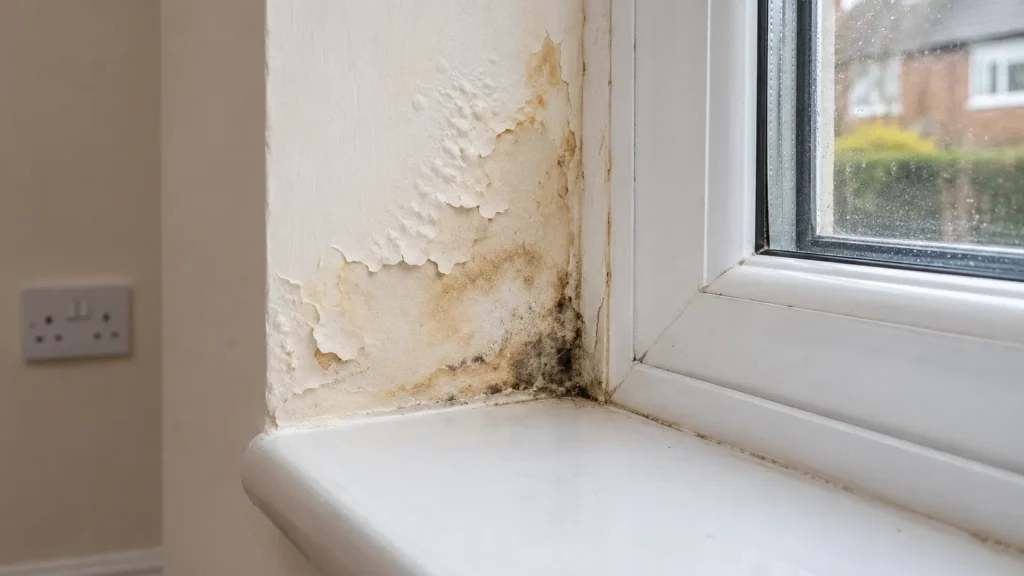
Damp patches on the reveal or sill, or water running down the inside of the frame, can point to failed sealant outside, blocked drainage slots or a frame that has moved. That's worth sorting before it turns into a damp problem. If damp has already set in, see how to fix damp.
Repair or replace
A lot of people on forums assume a misted window means a whole new window. Usually it doesn't. The question to ask is which part has failed.
| Problem | Usual fix | Rough cost (2026 estimate) |
|---|---|---|
| Misted sealed unit, sound frame | New sealed unit | Around £60 to £300 per unit fitted |
| Perished gaskets or draughts | Replace gaskets or brush seals | Often under £100 per window if a tradesperson does it; less as DIY |
| Worn hinges, handles or locks | Replace hardware | Often £50 to £150 per window fitted, depending on parts |
| Sagging sash | Adjust or repack the glazing, replace hinges | Usually a small repair |
| Rotten timber | Cut out and splice, or replace the sash | Varies widely |
| Warped or cracked uPVC frame | Replace the window | Often £400 to £1,000+ per window fitted |
These are estimates. They move with your region, the window size, glass type (toughened, laminated, Georgian bars, obscure) and whether the glazier has a minimum call-out charge. Doing several jobs in one visit nearly always brings the cost per window down.
Replace the whole window when the frame itself is failing: warped, split, rotten, or when hardware can't be sourced. Replace just the unit when the frame is sound and the problem is mist between the panes. If most windows in the house are misting at once, get quotes for both routes, because paying for lots of new units in tired frames can be false economy.
There's a middle path some firms sell: demisting or defogging, where holes are drilled and the gap is cleaned and vented. It can clear the view but doesn't restore a sealed, gas-filled unit, so it's a cosmetic fix rather than an insulation fix.
Get the glazier to check the frame before ordering new units. A £150 unit set into a frame that is about to fail is money wasted.
Double glazing guarantees and FENSA
The words get mixed up, so it's worth separating three things.
The installer's guarantee. This is the company's own promise on the product and the workmanship. Ten years is common for sealed units, but there's no fixed rule, and some are shorter. It's only as good as the company that issued it.
An insurance-backed guarantee (IBG). This is a policy that steps in if the installer has gone out of business and can't honour its guarantee. Most installers registered with a competent person scheme such as FENSA or CERTASS offer one on domestic work, and some schemes make it a condition of membership. Ask which insurer backs it and how many years it covers before you sign. Check the policy wording rather than assuming, and keep it with your paperwork.
The FENSA certificate. This is not a guarantee at all. It's confirmation that the installation was notified to the local authority as compliant with Building Regulations. You'll be asked for it when you sell, and you can request a replacement copy if you lose it. It's issued for replacement windows and doors, not for replacing just a sealed unit, as that counts as a repair.
If something fails inside the guarantee period, contact the installer first. Take dated photos of the misting or fault, and have your paperwork to hand. Don't have another firm do the repair first, as that can void the cover. Home insurance generally covers accidental damage, not wear and tear.
A guarantee is not the same as a lifespan. A ten-year guarantee doesn't mean the window will fail at year eleven, and it doesn't mean it will last until then either. If an installer has closed, the IBG usually only pays out if the claim is valid under its terms, so read what it excludes (such as poor maintenance or accidental damage).
How to make double glazing last longer
Most of what shortens a window's life is water and neglect, not age as such.
- Keep the drainage slots clear. These are the small slots on the outside of the bottom frame. If they block, water sits against the sealed unit and attacks the edge seal. A pipe cleaner or thin brush does the job.
- Wipe and lubricate the moving parts once a year. A little silicone spray or light oil on hinges and locking points stops wear and stiffness. Wipe the rubber gaskets with warm soapy water and keep solvents away from them.
- Don't jet-wash windows. Water forced into the seals is a quick way to shorten their life.
- Keep timber painted. Check the bottom rails and sills each spring. Fill small cracks and repaint before bare wood soaks up water.
- Control moisture indoors. Persistent condensation around the frame leads to mould on seals and rot in timber. Use extractor fans, and open trickle vents.
- Fix small problems early. A dropped sash puts stress on the glass seal as well as the hinges.
Does new glazing improve energy efficiency, and what about ratings?
Replacing old, poorly performing windows can make a home warmer, but the savings are usually modest compared to loft or wall insulation. The Energy Saving Trust publishes estimates for swapping single glazing for A-rated double glazing, and they vary a lot by house type and energy prices, so check its current figures for your kind of home. Replacing a few blown units in a home that is already double glazed won't move that figure much.
If you do buy new windows, look for the BFRC window energy rating. The British Fenestration Rating Council rates the whole installed window, from A++ down to G. A-rated or better is a sensible target for new windows. A rating is about the combination of frame, glass, spacer and seals, not just the glass. Our EPC certificate guide explains how glazing figures in your overall rating, and if the building is listed, check our page on listed building double glazing first, as consent may be needed.
FAQs
How long does double glazing last on average?
Roughly 20 to 30 years for uPVC, with the sealed units often failing before the frames. Timber and aluminium are commonly quoted at 30 years or more with care. Treat any single number with caution.
When should I replace double glazing?
When the frame is warped, cracked or rotten, when parts can't be replaced, or when most of your windows have failed units and the frames are tired too. If it's only misting between the panes, replacing the sealed unit is usually enough.
Can a double glazing window seal be repaired?
The edge seal on the glass unit itself can't realistically be repaired, so a failed unit is replaced. The rubber gaskets and external sealant around the frame can be replaced much more easily and often cure draughts and leaks.
Does double glazing have a guarantee by law?
No. A guarantee is a commercial promise by the installer. Most registered installers also offer an insurance-backed guarantee on domestic installs, so ask for the policy details in writing. Your consumer rights also still apply if goods or work are not of satisfactory quality.
Do I need a FENSA certificate to replace just the glass?
Normally not. Replacing a sealed unit counts as a repair. A whole new window or door does need to meet Building Regulations, and the installer's certificate is what you'll be asked for when selling.
Why has my double glazing misted up after only a few years?
Poor fitting, blocked drainage holes, a faulty batch or a south-facing window that takes a lot of sun can all cause early failure. If it's within the guarantee, contact the installer with photos before anyone else touches it.
- Expect roughly 20 to 30 years from uPVC, longer from well-kept timber or aluminium, but the sealed glass often goes first.
- Mist between the panes, draughts, stiff hinges and warped frames are the signs to watch.
- Repair the part that has failed: a new unit, gaskets or hinges often cost far less than a new window.
- FENSA is a certificate of compliance. The guarantee is separate, so keep both.
- Clear the drainage slots, keep timber painted and avoid jet washing.