
An EPC (Energy Performance Certificate) usually costs about £60–£120 for a typical UK home, booked directly with a local accredited domestic energy assessor. Bigger or more complex homes, London postcodes and EPCs bundled through estate agents can cost more. You can find an EPC assessor on the official gov.uk register (England, Wales and Northern Ireland) or the Scottish EPC Register. The visit takes about 30–60 minutes, and the certificate is valid for 10 years.
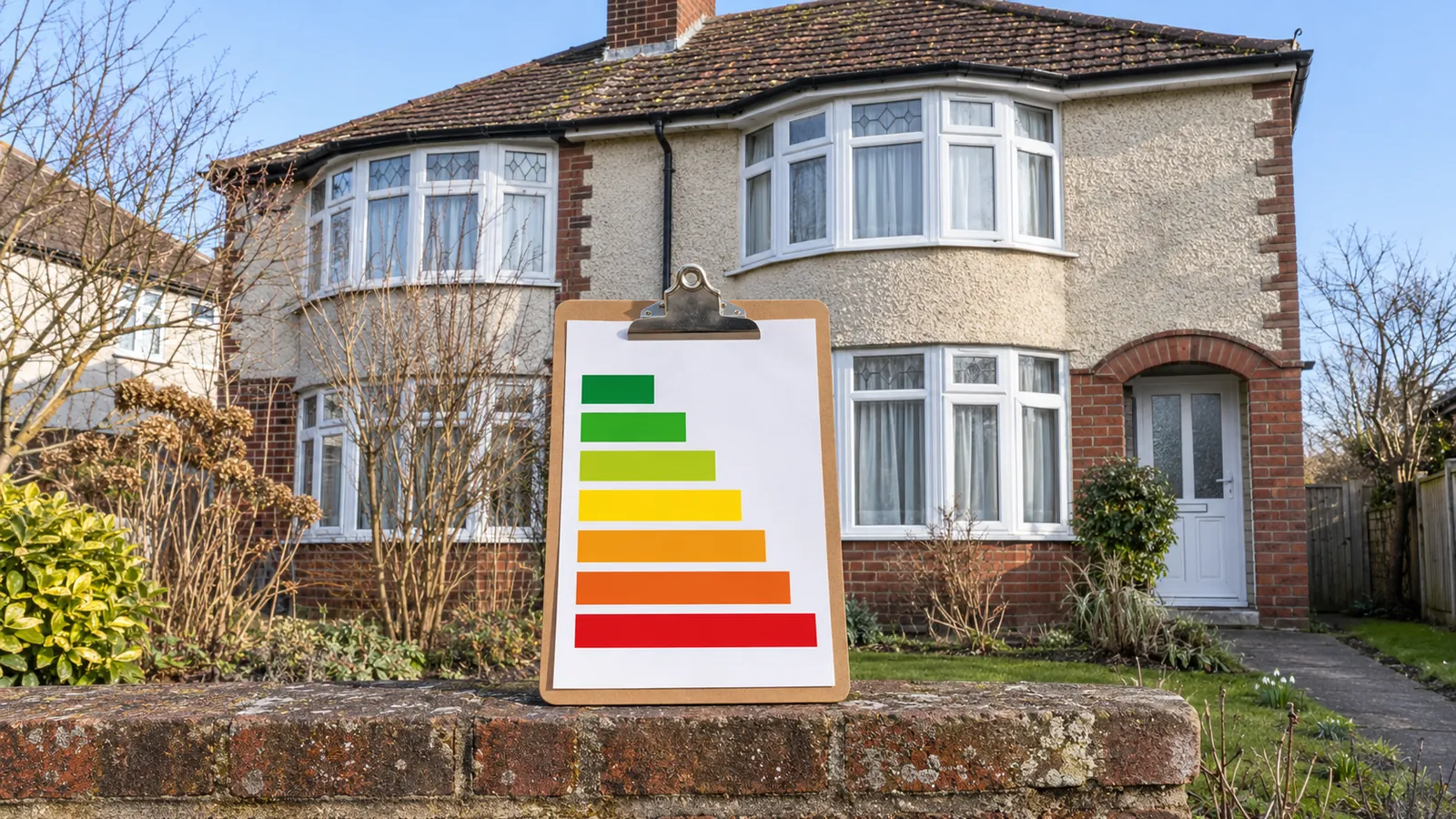
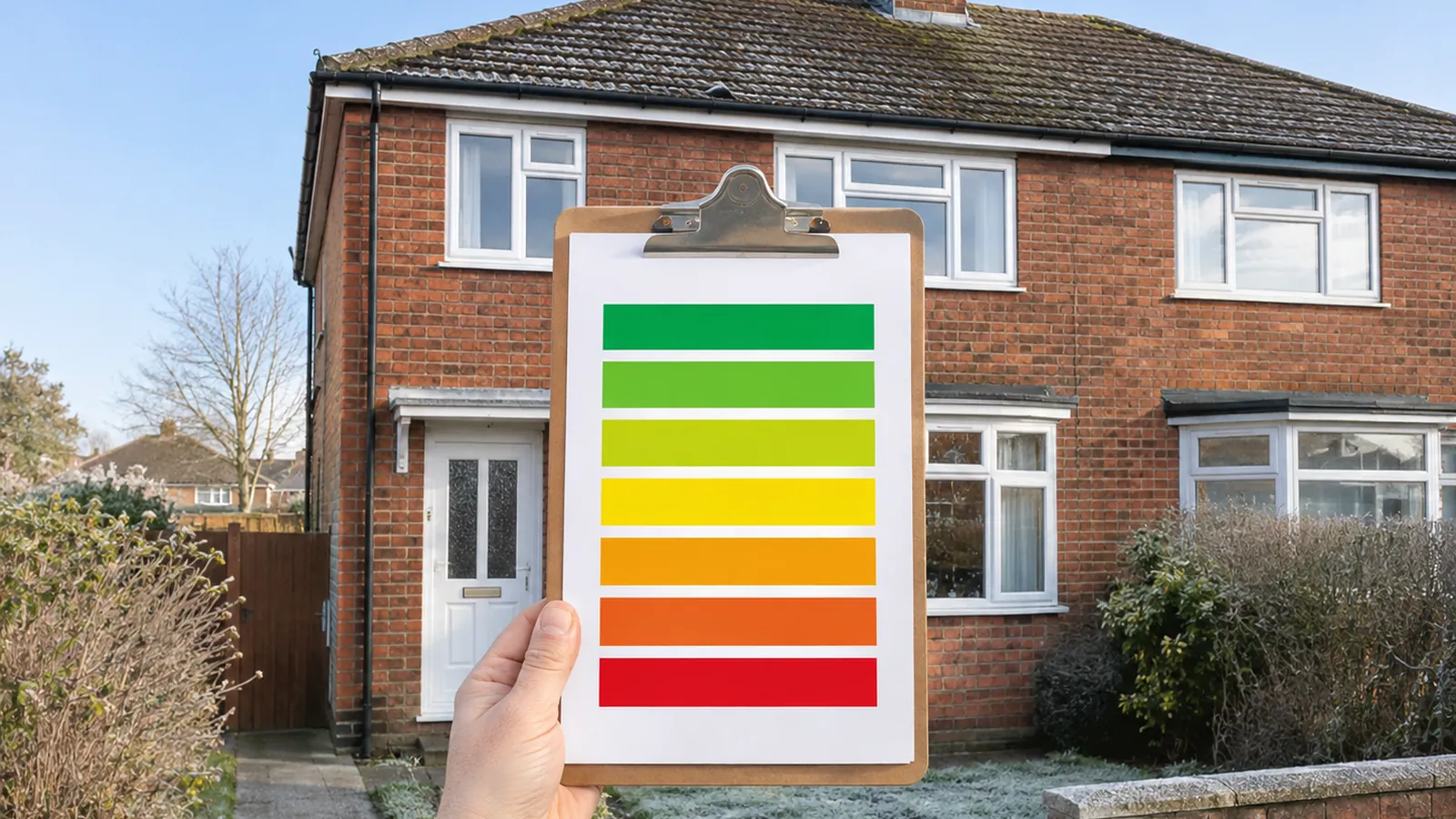
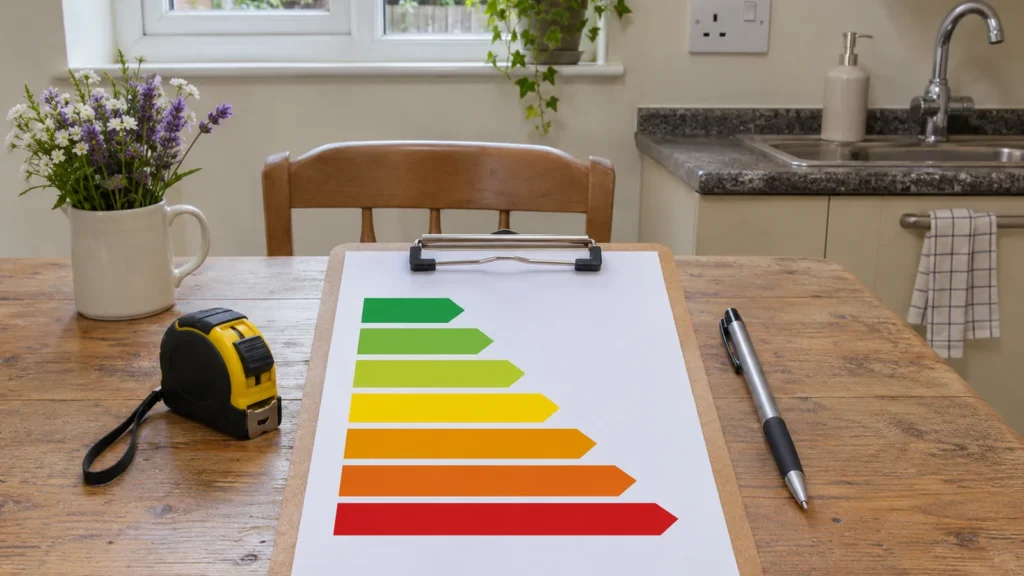
An EPC tells buyers and tenants how energy efficient a home is, on a scale from A (very efficient) to G (very inefficient). You need one before you sell or let a home, and the rating can affect how quickly it sells, what it costs to heat and whether you're allowed to rent it out. For the bigger picture on insulation and ratings, see our complete guide to insulation and EPCs.
How much does an EPC certificate cost?
There's no fixed national price. Assessors set their own fees, so prices vary by area, property size and how you book. As a rough guide:
| Property | Typical cost (booked direct) |
|---|---|
| Flat or 1–2 bed house | £60–£90 |
| 3 bed house | £70–£110 |
| 4–5 bed house | £90–£140 |
| Large, older or complex homes | £120–£200+ |
| EPC arranged through an estate or letting agent | Often £80–£150 (agents may add a margin) |
These are typical ranges, not quotes. London and the South East usually sit at the top, and some assessors charge extra for very large homes, extensions or homes far from where they're based.
Ask three local assessors for a price. Quotes for the same house can differ a lot. Booking direct is often cheaper than going through an agent, and the certificate is exactly the same.
Are cheap online EPC deals worth it?
Many national websites sell EPCs at low headline prices and pass the job to a local assessor. That can be fine, but check:
- The price includes VAT and lodging the certificate on the register.
- There's no extra charge for "out of area" or larger homes.
- You know who is coming and that they're accredited.
The price matters less than the quality of the survey. A rushed assessment that misses your loft insulation or new boiler can give you a lower rating than you should get.
How to find an EPC assessor
Only an accredited domestic energy assessor (DEA) can produce a valid EPC for a home. Every assessor must belong to a government-approved accreditation scheme, which checks their work and handles complaints.
In England, Wales and Northern Ireland:
- Go to the gov.uk service "Find an energy certificate" (search "get a new energy certificate" on gov.uk).
- Choose "Find an assessor" and enter your postcode.
- You'll see accredited assessors near you, with their accreditation scheme and contact details.
In Scotland: EPCs are lodged on the separate Scottish EPC Register, and assessors work through Scottish Government–approved organisations. Use that register to find one.
Check accreditation before you pay. Anyone can advertise "EPCs", but if the assessor isn't on the official register, the certificate can't be lodged and isn't valid. A genuine assessor will give you their accreditation number.
Questions to ask before you book
- Are you accredited, and which scheme are you with?
- Does the price include VAT and lodging the certificate?
- How long will the visit take, and when will I get the certificate?
- What paperwork should I have ready (loft insulation, boiler, windows, solar)?
Do you need an EPC?
In England and Wales you generally need a valid EPC:
- Before you put a home on the market to sell. Agents need it for the listing.
- Before you let a home to new tenants. The landlord must give tenants a copy.
- For a new build, when the home is finished.
You usually don't need a new EPC if you're staying put, or if your existing certificate is still in date and nothing major has changed. Some buildings can be exempt, such as certain buildings due to be demolished. Listed buildings are a grey area: they aren't automatically exempt, and the rules depend on whether the energy-saving work would unacceptably change their character. Check the current gov.uk guidance or ask a local assessor.
Can you sell a house without an EPC?
Not legally, in most cases. You must have commissioned an EPC before marketing the home, and Trading Standards can fine sellers and landlords who don't provide one. Most estate agents won't list a home without one.
How long is an EPC valid?
An EPC is valid for 10 years from the date it's issued, in England, Wales, Northern Ireland and Scotland.
You don't have to renew an EPC just because it's old. You only need a new one when you sell or let and the old one has expired. It's still worth getting a new one early if you've made big improvements, such as a new boiler, loft insulation, solar panels or new windows, because a better rating can help you sell or let.
Check your current EPC for free. Search your postcode on the gov.uk "Find an energy certificate" service (or the Scottish EPC Register). You'll see your rating, when it expires and the recommended improvements, without paying anyone.
What does an EPC assessor do?
An EPC assessment is a non-invasive visual survey. The assessor won't drill holes, lift floorboards or move heavy furniture. A typical visit takes 30–60 minutes for an average home, longer for big or complicated ones.

What they check:
| Area | What they look at |
|---|---|
| Size and layout | Measurements of each floor, extensions, room in roof |
| Age and construction | When it was built, wall type (solid, cavity, timber frame) |
| Walls | Whether cavity or solid walls are insulated |
| Loft and roof | Depth of loft insulation, room-in-roof insulation |
| Windows | Single, double or triple glazing, and roughly when fitted |
| Heating | Boiler type and age, heat pump, storage heaters, controls (thermostat, TRVs, timer) |
| Hot water | Combi, cylinder, cylinder insulation, immersion heater |
| Lighting | Share of low-energy bulbs |
| Renewables | Solar panels, solar water heating, heat pumps |
| Floors | Suspended timber or solid, and any insulation |
They also take photos as evidence. Back at the office, the details go into government-approved software (based on the Reduced Data Standard Assessment Procedure, or RdSAP) that works out the rating and the recommendations.
How is an EPC calculated?
The software estimates how much energy the home would use under standard conditions: a typical number of people, a typical heating pattern and a standard UK climate. It doesn't look at your actual bills. That's why two families in identical houses can have very different bills but the same EPC.
The result is a score from 1 to 100+, which sets the band:
| EPC band | Score | What it means |
|---|---|---|
| A | 92+ | Very efficient, usually new builds with renewables |
| B | 81–91 | Very good, typical of modern new builds |
| C | 69–80 | Good. A common target for older homes after upgrades |
| D | 55–68 | Around average for UK homes |
| E | 39–54 | Below average. The current minimum for most rentals in England and Wales |
| F | 21–38 | Poor |
| G | 1–20 | Very poor, often older homes with no insulation and old heating |
The certificate also shows a potential rating: what the home could reach if you made all the recommended improvements, with rough costs for each.
How to prepare for an EPC assessment
The assessor can only record what they can see or what you can prove. If they can't confirm something, the software uses default assumptions for a home of that age, which are often worse than reality. A little preparation can make a real difference.
Before the visit:
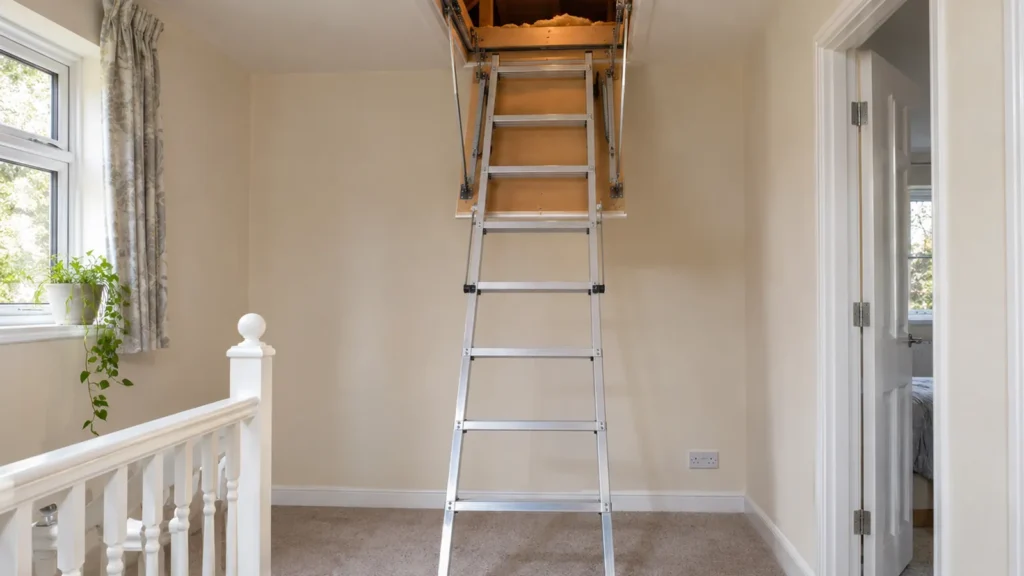
- Clear access to the loft so they can see and measure the insulation.
- Make the boiler, hot water cylinder and heating controls easy to reach.
- Find your paperwork, for example:
- cavity wall or solid wall insulation guarantees (such as a CIGA guarantee for cavity walls)
- loft insulation receipts
- boiler installation or Gas Safe certificates
- FENSA or CERTASS certificates for windows
- MCS certificates for solar panels or a heat pump
- building regulations sign-off for extensions or conversions
- Swap any remaining old bulbs for LEDs. Cheap, and lighting is part of the score.
- Be there, or have someone there who knows the house, to answer questions.
Hidden insulation is the big one. If your cavity walls were filled or your floor was insulated years ago, the assessor may not be able to see it. Without proof they may have to assume it isn't there, which can cost you points.
EPC rules for landlords
If you let a home in England or Wales, the Minimum Energy Efficiency Standards (MEES) apply:
- Private rented homes must normally have an EPC rating of E or above.
- You can't start or continue a tenancy on an F or G rated home unless you've registered a valid exemption (for example where the required work would cost more than the spending cap, or consent can't be obtained).
- Local councils enforce the rules and can issue fines for breaches.
Higher standards are coming. In its Warm Homes Plan (January 2026), the government confirmed that privately rented homes in England and Wales will need to reach EPC band C by 1 October 2030, unless an exemption applies, with a cap on how much landlords must spend. EPCs are also due to change to new measurement metrics. Check the latest gov.uk guidance before you plan any work.
Scotland and Northern Ireland have their own rules for rented homes. Scotland has also announced its own plans for higher minimum standards, so landlords there should check the Scottish Government's current guidance.
How to improve your EPC rating
The recommendations page on your certificate lists the improvements that would raise your score, usually in order of cost. In most UK homes the big wins are similar:
| Improvement | Typical effect on rating | Rough cost range |
|---|---|---|
| LED lighting throughout | Small | £20–£100 |
| Hot water cylinder jacket and pipe lagging | Small | £20–£50 |
| Heating controls (programmer, room thermostat, TRVs) | Small to medium | £150–£500 |
| Loft insulation to around 270mm | Medium | £300–£800 (DIY can be cheaper) |
| Cavity wall insulation | Medium to large | £1,000–£3,000 |
| Modern condensing boiler replacing an old one | Medium to large | £2,000–£4,000+ |
| Double glazing replacing single glazing | Medium | Several thousand pounds for a whole house |
| Solar panels | Medium to large | £5,000–£9,000+ |
| Solid wall insulation (internal or external) | Large | Often £8,000–£20,000+ |
| Air source heat pump | Can be large, depends on the home | Varies, grants may apply |
These are broad ranges for typical homes. Always get proper quotes, and check whether you qualify for help. ECO4 is due to end on 31 December 2026 (the Great British Insulation Scheme closed in March 2026), the Boiler Upgrade Scheme gives grants towards heat pumps, and the government's Warm Homes Plan is set to bring new support. Check what's open now on gov.uk.
The cheapest wins usually come first: see our guides to loft insulation and draught-proofing.
Ventilation matters when you insulate. Sealing up a home without enough ventilation can cause condensation and mould. Keep trickle vents and extractor fans working after any insulation or glazing upgrade. Our guide to condensation on the inside of windows explains why.
Do small things like smart meters help?
A smart meter doesn't improve your EPC rating. The EPC is based on the building and its heating, not on how you track your energy. It can still help you see where your energy goes. Similarly, a new sofa or carpet won't change it, but heating controls and LED bulbs do.
What does an EPC rating mean for your bills?
The certificate gives an estimated yearly energy cost, but it's based on standard assumptions, not your family's habits, and on energy prices when it was produced. Use it to compare homes, not to predict your actual bill. If you heat with electricity, our guide to the cheapest electric heaters to run shows where the real costs come from.
Not sure what your rating actually means for bills, selling or renting? See EPC ratings explained.
FAQs
How much is an EPC certificate?
Usually about £60–£120 for a typical home, booked direct with a local accredited assessor. Large or complex homes and London properties can cost more.
How do I find an EPC assessor near me?
Use the "Find an assessor" option on the gov.uk "Find an energy certificate" service (England, Wales and Northern Ireland), or the Scottish EPC Register in Scotland. Every assessor listed is accredited.
How long does an EPC assessment take?
Around 30–60 minutes for an average house or flat. Larger or more complicated homes take longer. The certificate is usually ready within a few days.
How long is an EPC valid for?
10 years. You only need a new one when you sell or let and the old one has expired, or if you want a better rating to reflect improvements.
What do EPC assessors check?
The size, age and construction of the home, wall and loft insulation, windows, the boiler and heating controls, hot water, lighting and any renewables such as solar panels.
Is an EPC rating D good?
D is roughly average for UK homes. It's fine for selling or letting under the current rules, but improvements such as loft insulation and heating controls can often lift a D home to C.
Can I do my own EPC?
No. Only an accredited domestic energy assessor can produce and lodge a valid EPC. You can check your existing certificate for free on the official register.
Can I get my EPC rating changed?
If you think the assessment was wrong, contact the assessor first, then their accreditation scheme. If you've made improvements since, the simplest route is to book a new EPC.
- An EPC usually costs about £60–£120 when you book an accredited assessor directly.
- Find an assessor on the gov.uk register, or the Scottish EPC Register in Scotland.
- The visit takes 30–60 minutes, and the certificate lasts 10 years.
- Have your insulation, boiler and window paperwork ready to avoid a lower rating.
- Rented homes in England and Wales currently need at least an E, and higher standards are planned.