
A combi suits most homes with one bathroom: it heats water instantly from the mains, needs no cylinder or loft tanks, and is the cheapest to install. A system boiler suits homes with two or more bathrooms used at the same time, because it stores hot water in a cylinder and can feed several taps and showers at once. What decides it is how many showers run together, how strong your mains water flow is, whether you have space for a cylinder, and whether you might switch to a heat pump later.
Not sure what you've got now? Our guide to what type of boiler you have tells you in a minute. For prices, see the new combi boiler cost guide, and more heating help is on our heating hub.
How each one works
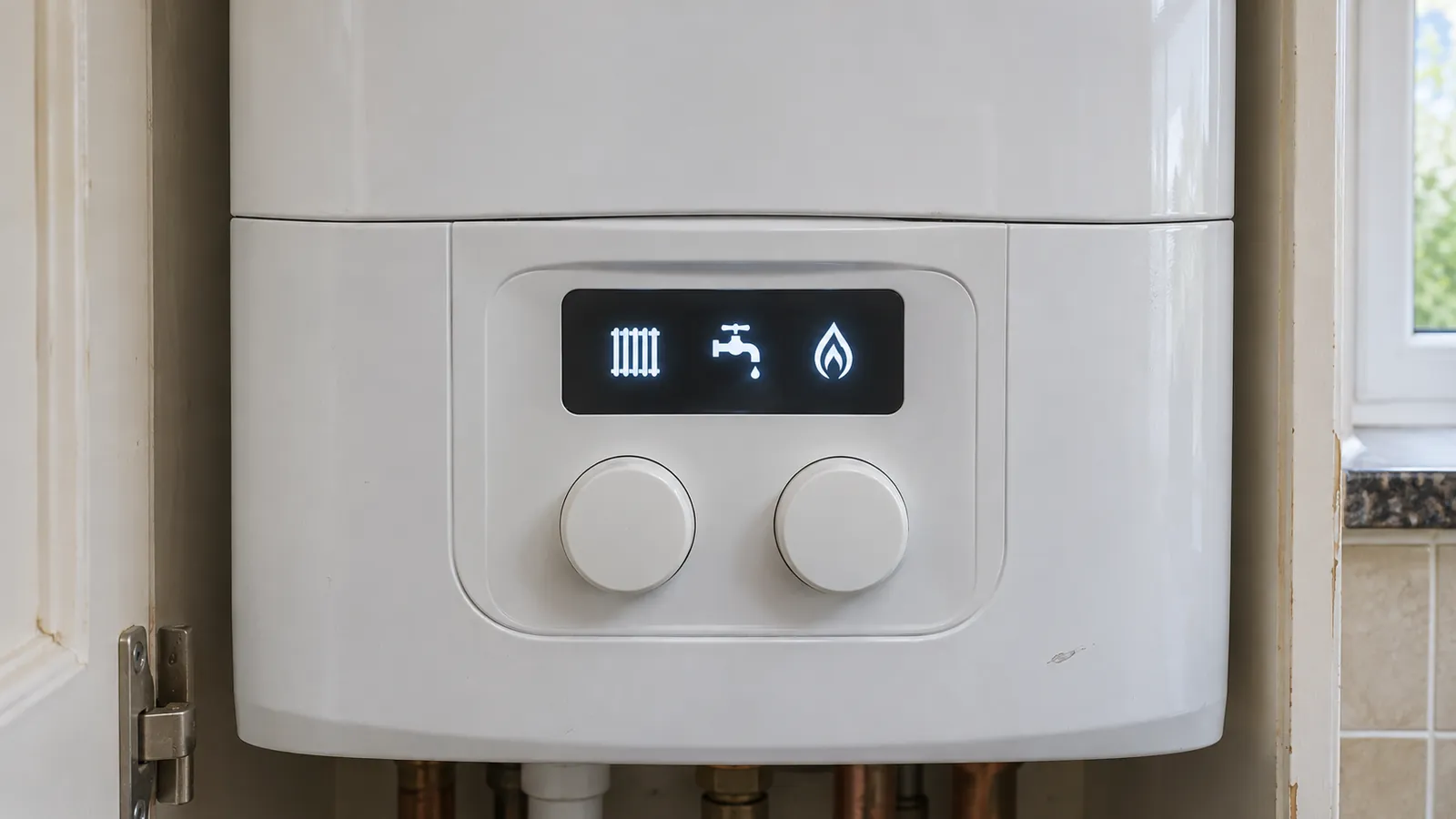
Combi boiler. Cold mains water goes through the boiler and is heated as you use it. There's no stored hot water, so it never runs out, but the boiler can only heat so many litres per minute. The same boiler runs the radiators.
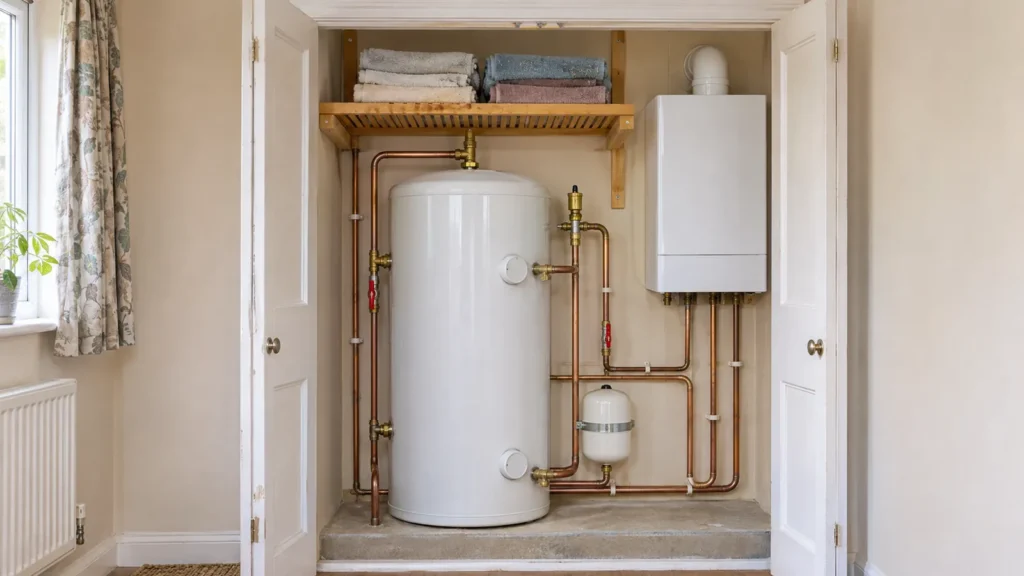
System boiler. The boiler heats the radiators and a hot water cylinder, usually in the airing cupboard. Most modern system boilers are paired with an unvented cylinder fed at mains pressure, so showers are strong, and there are no tanks in the loft. Once the stored hot water is used up, it takes a while to reheat.
Regular (conventional or heat-only) boiler. The older setup: a cylinder plus cold water tanks in the loft, with hot water pressure from gravity, so it's often weak upstairs. If that's what you have, the choice is usually like for like, or converting to a combi or system.
Side by side
| Combi | System (unvented cylinder) | |
|---|---|---|
| Hot water | Never runs out, but limited flow | Strong flow to several outlets until the cylinder empties |
| Best for | 1 bathroom, 1 to 3 people | 2+ bathrooms, bigger households |
| Two showers at once | Usually weak or lukewarm | Yes, with a good mains supply |
| Space needed | Just the boiler | Boiler plus a cylinder cupboard |
| Loft tanks | None | None |
| Install cost | Lowest | Higher, as the cylinder adds cost |
| If the boiler breaks | No hot water | Most cylinders have an electric immersion as backup |
| Heat pump ready | No, you'd need a cylinder later | Yes, a cylinder is already in place |
| Yearly checks | Gas boiler service | Gas service plus an unvented cylinder check |
The question that decides it: how many showers at once?
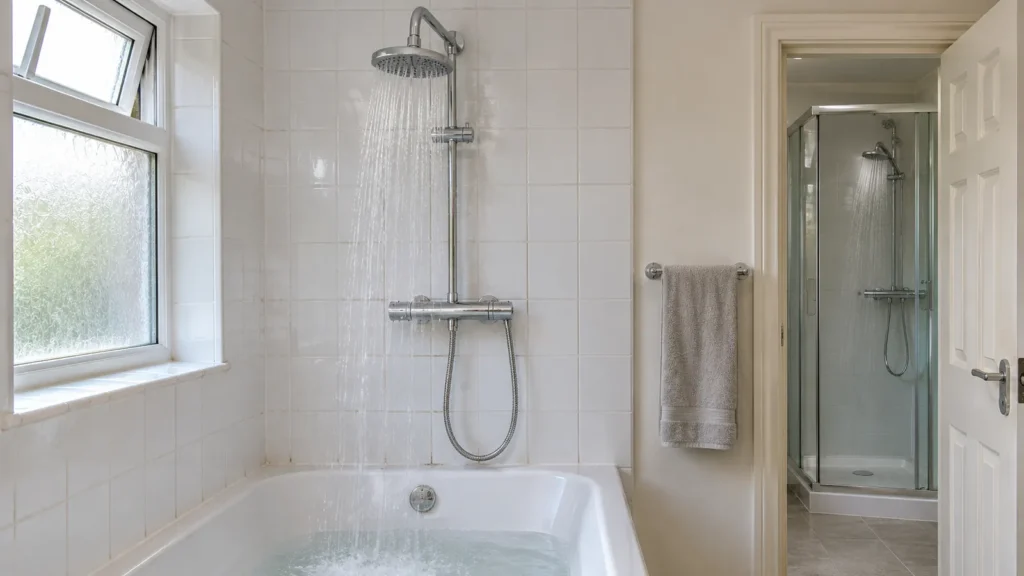
A combi's hot water flow depends on its size. As a guide, a 24kW combi gives roughly 10 to 11 litres per minute at a 35°C temperature rise, and a 30 to 35kW model around 12 to 14. A decent mixer shower uses roughly 8 to 12 litres per minute. So one shower is fine, but two at once will both drop to a dribble or go cool.
A system boiler with an unvented cylinder can deliver far more, because the cylinder is already full of hot water at mains pressure. Two showers and the kitchen tap together are realistic if the mains keeps up.
If your mornings involve two showers running together, a system boiler will make life easier. If showers happen one after another, a combi is fine.
Your mains water supply limits both
Neither boiler can give you more water than comes in through the mains. If only 10 litres per minute arrives at the house, that's the most hot water you'll get, whatever boiler you pick.
Unvented cylinder makers usually want a minimum mains pressure (often around 1.5 bar) and a good flow (often 20 litres per minute or more) to perform as advertised. Combis are affected too: on a weak supply, a bigger combi doesn't help.
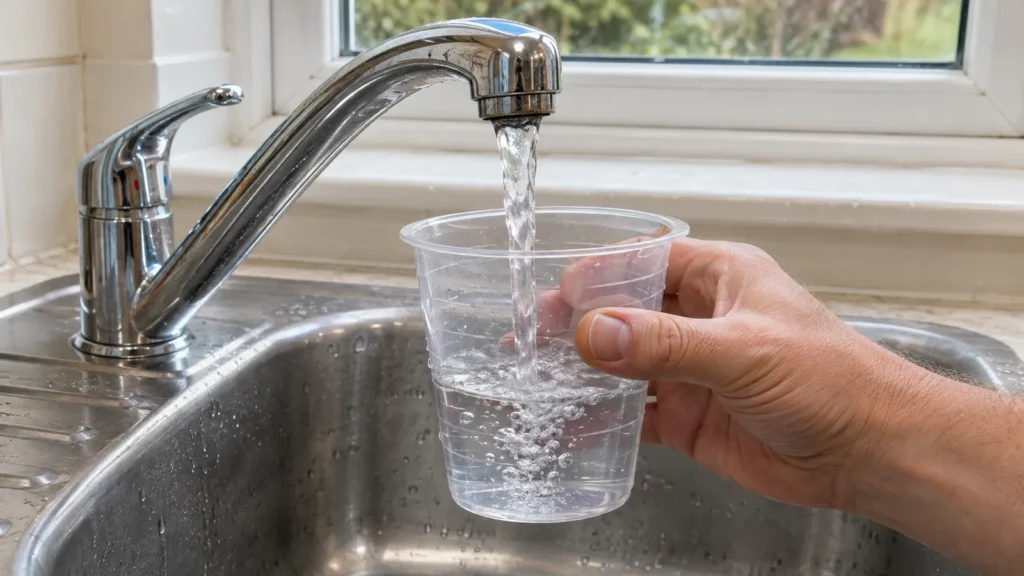
Ask every installer to measure your mains flow rate and pressure at the kitchen tap before quoting. It takes a couple of minutes with a flow cup and a gauge. If someone recommends a system or a big combi without measuring, ask why.
When a combi is the better choice
- One bathroom, or a second one that's rarely used at the same time
- Small homes where you want the airing cupboard back
- Flats with no room for a cylinder and no loft
- Lowest upfront cost is the priority
When a system boiler is the better choice
- Two or more bathrooms used at the same time
- Large households with busy mornings
- Big baths that a combi would take ages to fill
- You already have a cylinder and the space for it
- A heat pump, or solar panels with a hot water diverter, might come in the next few years
Is one cheaper to run?
For heating, there's little in it: both are condensing boilers with similar efficiency. For hot water, a combi is slightly ahead because nothing is stored, so no heat is lost from a cylinder. A modern, well-insulated cylinder loses only a modest amount, though. Shower length and bath habits make much more difference than the boiler type.
Converting a system or regular boiler to a combi
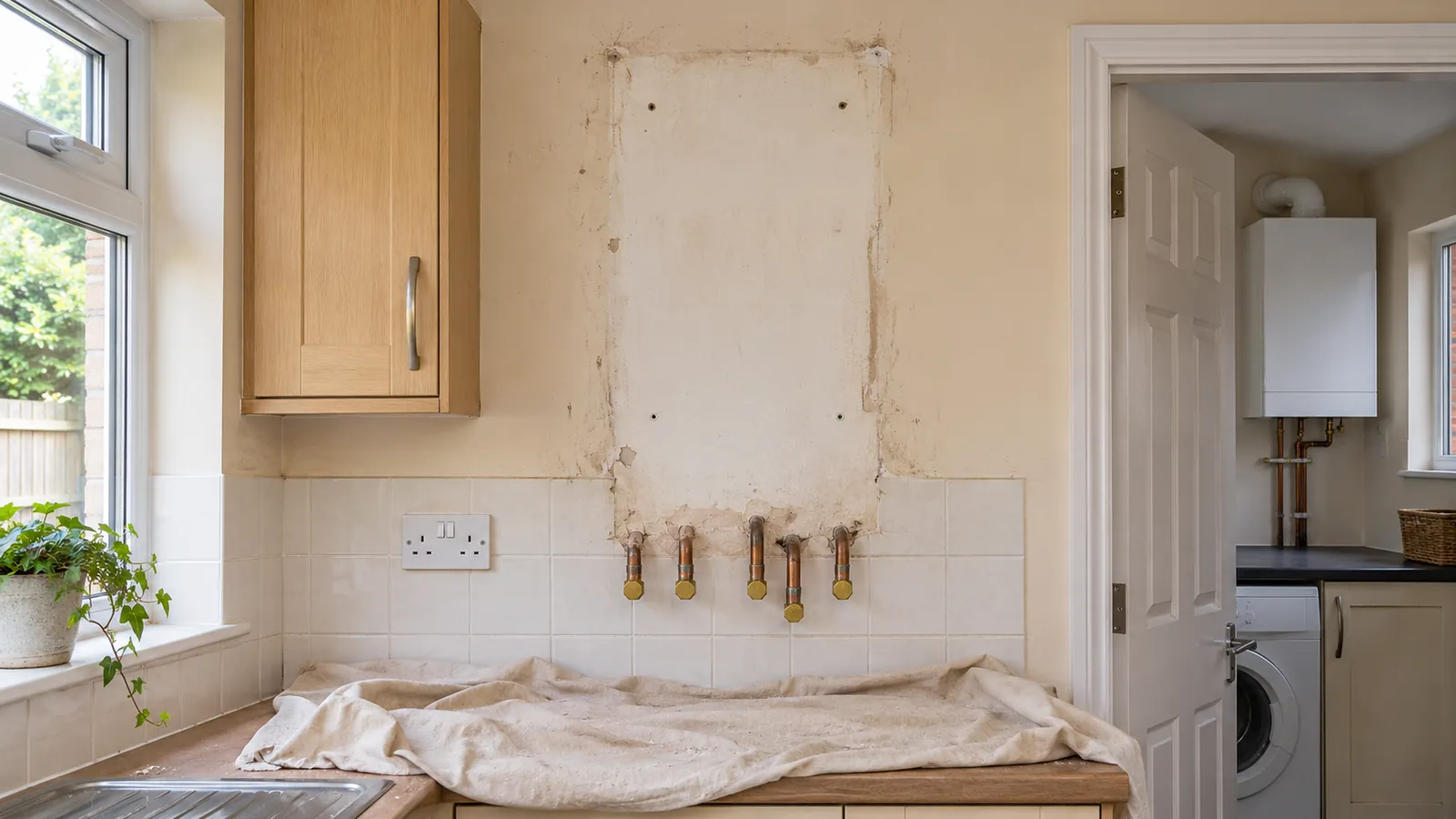
This is popular when people want the airing cupboard back, and usually takes 1 to 2 days (see how long it takes to fit a boiler). Before you commit, be honest about how many bathrooms you use at once. The regret that comes up again and again on forums is a family of four with two bathrooms who swapped to a combi and now queue for the shower.
Going the other way, combi to system, means finding cylinder space and running new pipework, which is more disruptive and costs more. It pays to get it right first time.
What about a heat pump later?
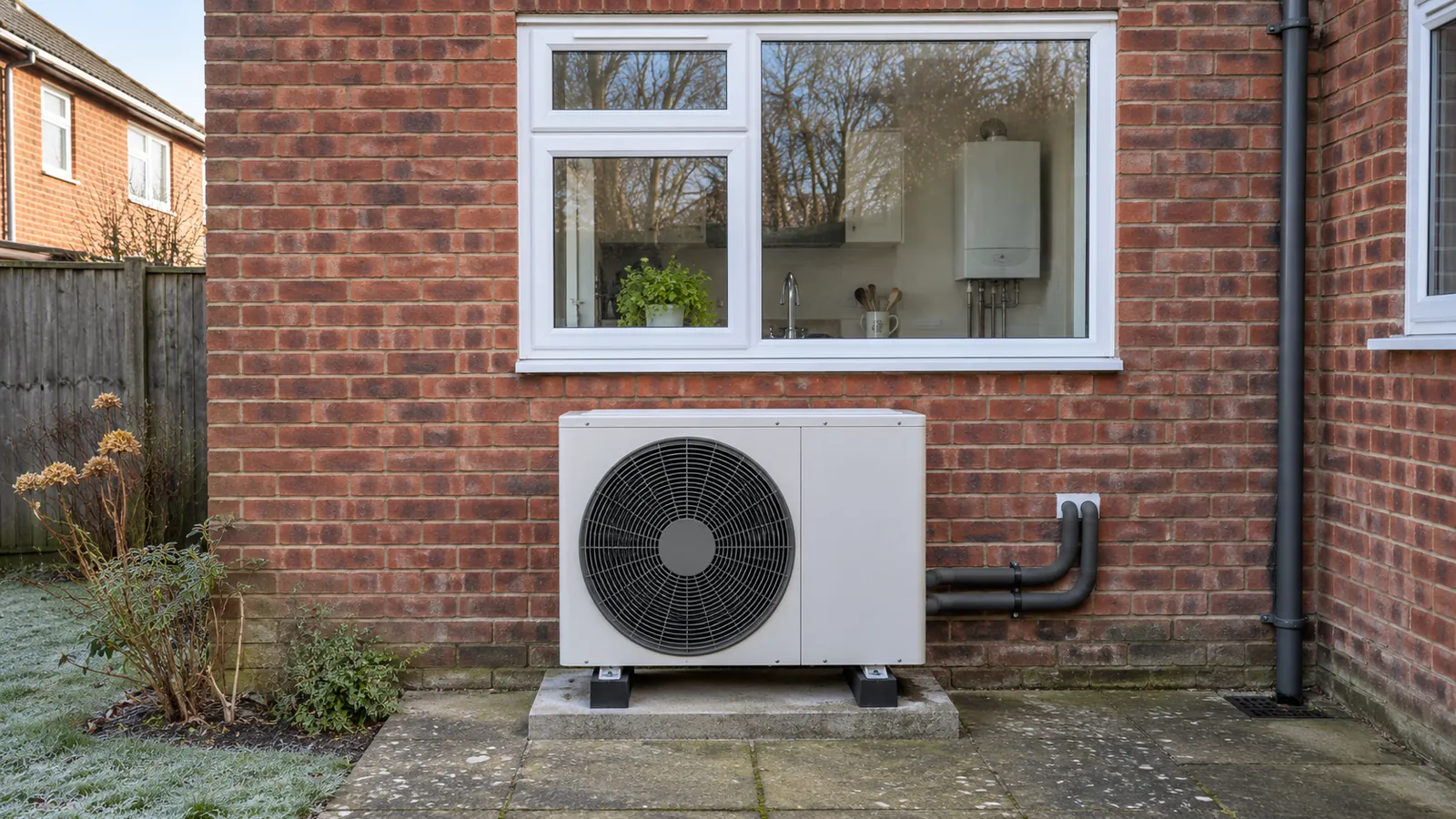
Heat pumps can't heat water instantly like a combi, so every heat pump installation needs a hot water cylinder. If you're replacing a boiler now and might fit a heat pump within a few years, keeping a cylinder space makes the later switch simpler. Our combi boiler vs heat pump comparison goes through that decision.
FAQs
Is a combi or a system boiler better?
Neither is better overall. A combi is better for one bathroom and smaller homes; a system boiler is better for two or more bathrooms used at once.
Can a combi boiler run two showers at once?
Rarely well. Most combis can only heat enough water for one shower at a good flow. Two at once usually means both run weak or lukewarm.
Does a system boiler need a tank in the loft?
No. System boilers with an unvented cylinder have no loft tanks. It's regular (conventional) boilers that use them.
Is a combi or system boiler cheaper to run?
Running costs are similar. A combi saves a little on hot water because it doesn't store it, but your habits matter more.
What size combi do I need for one bathroom?
For a typical one-bathroom home, a 24 to 30kW combi is usually enough. Size it on hot water flow and your measured mains supply.
Can I change from a combi to a system boiler?
Yes, but you'll need space for a cylinder and new pipework, so it costs more than a like-for-like swap.
- Combi: hot water on demand, no cylinder, best for one bathroom.
- System: stored hot water, strong flow to several outlets, best for two or more bathrooms.
- Your mains flow and pressure limit both, so get them measured.
- Thinking about a heat pump later? Keeping a cylinder helps.
- Running costs are similar; habits matter more.