

An oil-filled radiator costs about 26p an hour per kW at full power at the current average UK electricity price of 26.32p per kWh. That's about 39p an hour for a 1.5kW model, 53p for 2kW and 66p for 2.5kW. In real use it's often less, because the thermostat switches the element off once the room is warm and the hot oil keeps giving out heat. They're no more efficient than other electric heaters, but they give steady, gentle heat and suit long sessions in one room.
Oil-filled radiators are one of the most popular portable heaters in UK homes. People often say they're "cheaper to run" than other electric heaters. That's partly true and partly a myth. For more ways to cut your bills, see our energy saving guide.
How does an oil-filled radiator work?
An oil-filled radiator is an electric heater. The oil is not burned and is never used up.

- An electric element inside the base heats a sealed reservoir of special heat-transfer oil.
- The hot oil circulates through the metal fins.
- The fins warm the air around them, which rises and spreads around the room (convection). They also give off some radiant heat.
- When the room reaches your chosen temperature, the thermostat switches the element off. The oil stays hot for a while and keeps heating the room.
- When the room cools, the thermostat switches the element back on.
The oil is sealed in at the factory. You never need to top it up or change it.
"Oil-filled" doesn't mean it runs on heating oil. It plugs into a normal 13A socket and runs on electricity like any other plug-in heater.
How much does an oil-filled radiator cost to run per hour?
The formula for any electric heater:
Cost per hour = power (kW) × unit rate
At the Ofgem price cap average of 26.32p per kWh (1 October to 31 December 2026), running at full power:
| Oil-filled radiator size | Calculation | Cost per hour | Cost for 4 hours | Cost for 8 hours |
|---|---|---|---|---|
| 1kW | 1 × 26.32p | 26p | £1.05 | £2.11 |
| 1.5kW | 1.5 × 26.32p | 39p | £1.58 | £3.16 |
| 2kW | 2 × 26.32p | 53p | £2.11 | £4.21 |
| 2.5kW | 2.5 × 26.32p | 66p | £2.63 | £5.26 |
| 3kW | 3 × 26.32p | 79p | £3.16 | £6.32 |
These are maximum costs. They assume the element never switches off, which only happens in a very cold room or with the thermostat turned right up.
Work out your own heater's cost per hour, day, month and year. Pick a heater or type in its wattage, then change the price to match your bill:
Appliance running cost calculator
– · Default price: Ofgem price cap average, 1 Oct–31 Dec 2026. Check your bill for your exact unit rate.
Prefer a full page? Use the running cost calculator.
Why the real cost is often lower: the thermostat
Most oil-filled radiators have a thermostat dial. Once the room is warm, the element cycles on and off to hold the temperature. You only pay while the element is on.
How much of the time it's on depends on:
- How cold it is outside
- How well insulated the room is (walls, loft, windows, draughts)
- The room size compared with the heater's power
- Your thermostat setting
There's no fixed figure. In a cold, draughty room, it may run nearly all the time. In a small, well-insulated room, it may be off for long stretches once it's warm.
This is an example only, to show how the maths works. Say a 2kW radiator's element is on for 60% of the time over a 4-hour evening:
- Energy used: 2kW × 4 hours × 0.6 = 4.8kWh
- Cost: 4.8 × 26.32p = £1.26, instead of £2.11 at full power
Measure your real cost with a plug-in energy monitor (around £10–£20). Plug the heater into it for an evening and it shows the actual kWh used. Multiply by your unit rate for your true cost.
Using the power settings
Many oil-filled radiators have two or three power settings as well as the thermostat. For example, a 2kW model might offer roughly 800W, 1,200W and 2,000W. Check your model's label or manual for its exact figures.

- Use high to warm the room up quickly.
- Switch to low or medium once it's warm, with the thermostat set to 18–20°C.
- A lower setting doesn't make heat cheaper per kWh. It just uses less power each hour, which suits a room that only needs topping up.
Are oil-filled radiators cheaper to run than other heaters?
Not per hour at the same wattage. Every standard plug-in electric heater turns electricity into heat at almost 100% efficiency. A 2kW oil-filled radiator, a 2kW fan heater and a 2kW convector all cost the same per hour at full power.
The differences are in how they heat, which changes how long you run them:
| Heater type | How it heats | Warm-up | Feels like | Best for |
|---|---|---|---|---|
| Oil-filled radiator | Hot fins, convection | Slow (15–30 mins) | Steady, gentle heat that lingers | Long sessions: home office, bedroom, evenings |
| Fan heater | Blows air over a hot element | Very fast | Quick blast, noisy | Short, quick warm-ups |
| Convector / panel heater | Heats air, which rises | Fairly fast | Even room heat | Small rooms with a thermostat |
| Halogen heater | Radiant light and heat | Instant | Warms what it points at | Warming a person briefly |
| Infrared panel | Radiant heat that warms surfaces and people | Fast | Comfortable, direct | Rooms where you sit in one spot |
Oil-filled radiators can work out cheaper over a long session because:
- The thermostat cycles them off once the room is warm.
- The hot oil keeps giving out heat after the element switches off, so the temperature swings less.
- They heat gently, so people tend to leave the thermostat on a sensible setting instead of blasting heat.
But for a quick 20-minute warm-up, a fan heater is better. An oil-filled radiator will barely be warm by then.
For a full comparison, see our guide to the cheapest electric heater to run.
Is an oil-filled radiator cheaper than central heating?
Per unit of heat, gas central heating is much cheaper. Under the price cap for October to December 2026, gas costs about 7.97p per kWh, against 26.32p for electricity. A modern condensing boiler turns around 90% of that gas into heat.
| Heat source | Approx. cost per kWh of heat |
|---|---|
| Gas boiler (about 90% efficient) | 7.97p ÷ 0.9 = about 9p |
| Oil-filled radiator (electric) | 26.32p |
So heat from an oil-filled radiator costs about three times as much as heat from a gas boiler.
But an oil-filled radiator can still save money when you only need to heat one room. Central heating usually heats the whole house, including empty rooms. As an example only:
- Your boiler might burn, say, 10kWh of gas to heat the whole house for an evening: 10 × 7.97p = 80p.
- A 1.5kW oil-filled radiator heating just your home office for 4 hours, with the element on about half the time: 1.5 × 4 × 0.5 = 3kWh, so 3 × 26.32p = 79p.
In this example the cost is about the same. Heat a smaller room, or keep the heater on for less time, and the radiator wins. Need heat in several rooms? Central heating wins easily.
The cheapest option with gas central heating is often to turn the radiator valves (TRVs) down in empty rooms and keep the main thermostat moderate, rather than turning the heating off and using electric heaters all evening.
If you're on Economy 7, remember that daytime use is charged at the higher day rate. An oil-filled radiator used in the day costs more than on a standard tariff. See our guide to Economy 7 storage heaters for cheaper ways to heat on a two-rate tariff.
What size oil-filled radiator do I need?
As a rough guide for a typical UK room with average insulation:
| Room | Typical size | Suggested heater |
|---|---|---|
| Small bedroom, box room, small home office | Up to about 10m² | 1kW to 1.5kW |
| Double bedroom, medium living room | About 10m² to 18m² | 2kW |
| Larger living room, open-plan space | About 18m² to 25m² | 2.5kW to 3kW |
Older homes with solid walls, single glazing or lots of draughts need more power. Well-insulated modern rooms need less.
For a more accurate figure, use our radiator BTU calculator. It estimates the heat output a room needs in watts. Pick an oil-filled radiator with at least that wattage.
A heater that's too small runs flat out all the time and never quite warms the room. It isn't cheaper. It's just colder. Choose one sized for the room, then let the thermostat do the work.
Wall-mounted oil-filled radiators
As well as portable models on wheels, you can buy wall-mounted oil-filled electric radiators (sometimes sold as "slim" or "electric radiators"). They look like central heating radiators but are fully electric.
Pros:
- Slim, tidy and off the floor
- Many have digital thermostats, 7-day timers and open-window detection
- Good for rooms without central heating, like extensions, garden rooms or conservatories
Cons:
- They cost the same per kWh as any other electric heater. "Oil-filled" or "ceramic core" doesn't make the electricity cheaper.
- Some must be hardwired into a fused spur. Use a qualified electrician for any fixed wiring. Some electrical work in homes must meet Part P of the Building Regulations.
Oil-filled radiator safety
Oil-filled radiators are one of the safer types of portable heater, because they have no exposed glowing element. Still, follow these rules:
- Plug it directly into a wall socket. UK fire services advise against using extension leads or adaptors with heaters, as heaters draw a lot of power and can overload them.
- Never dry clothes on it or cover it. Covering the fins traps heat and is a fire risk.
- Keep it about 1 metre away from curtains, bedding, furniture and anything that can burn.
- Stand it upright on a flat, firm floor. Most have a tip-over switch, but don't rely on it.
- Don't use it in a bathroom unless the model is specifically rated for bathroom use.
- Switch it off and unplug it when you go out or go to bed, unless it has a timer and you're happy with how it's set up.
- Check the cable and plug each winter. If you see damage, scorch marks or oil leaking, stop using it.
The surface of the fins gets hot. Keep young children and pets away, or choose a model with a cooler-touch casing.
Can an oil-filled radiator leak?
Rarely. The oil is sealed inside. If you see oil on the floor or smell burning oil, unplug it straight away and stop using it. It can't be safely refilled or repaired at home.
Tips to cut the running cost
- Heat the room you're in, with the door shut. A small closed room warms quickly and stays warm.
- Set the thermostat to 18–20°C, not to maximum. Turning the dial up doesn't heat the room faster.
- Use a plug-in timer (or a model with a built-in timer) to warm the room before you need it, then let it cycle off.
- Stop draughts. Draught excluders, curtains and closed doors keep heat in.
- Place it under a window or by the coldest wall, but keep it clear of curtains.
- Wear a layer more. For warming just yourself, an electric blanket or heated throw costs only pennies an hour.
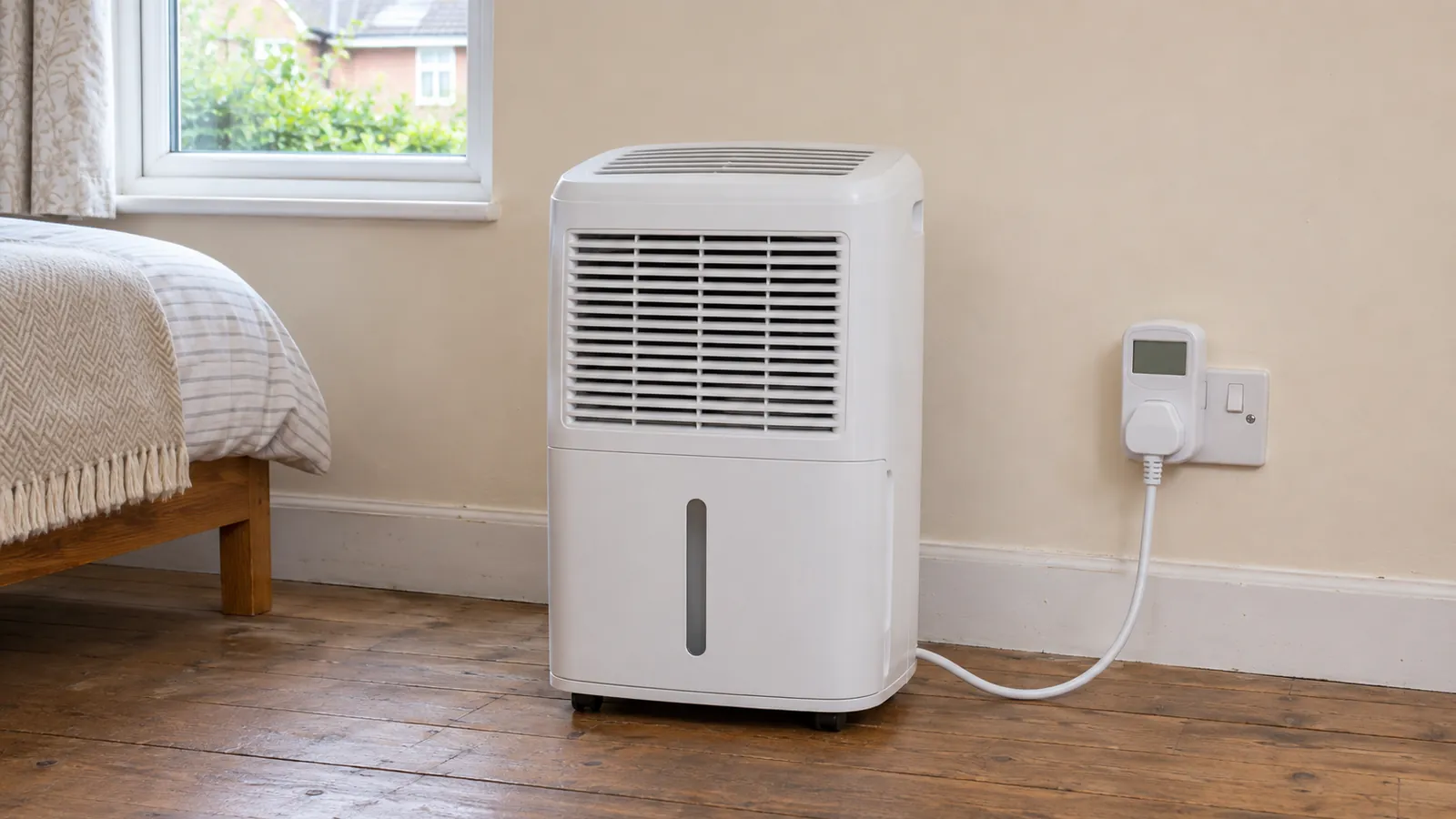
- Don't use it to dry clothes. It's unsafe and expensive. A dehumidifier dries clothes cheaply and reduces damp too. A heated clothes airer is another low-cost option.
FAQs
How much does it cost to run an oil-filled radiator for 8 hours?
At 26.32p per kWh and full power: a 1.5kW model costs about £3.16, a 2kW model about £4.21 and a 2.5kW model about £5.26. With the thermostat cycling it off, the real cost is usually lower.
Are oil-filled radiators expensive to run?
They cost the same per hour as any electric heater of the same wattage, about 26p per kW. They're expensive compared with gas central heating, but they can be good value for heating one room for long periods.
Is it cheaper to leave an oil-filled radiator on low all day?
Not necessarily. You pay for every kWh the element uses. A low setting uses less power each hour, but over a long day it can still add up. Use a timer to heat the room only when you're in it.
Do oil-filled radiators use a lot of electricity?
A 2kW model uses up to 2kWh an hour at full power. Over a winter of daily evening use, that adds up, so a thermostat and timer matter more than the heater type.
Can you leave an oil-filled radiator on overnight?
Many people do, but it's safer to use a timer or the thermostat and switch it off when you go to sleep. Never leave it near bedding or curtains, and always have working smoke alarms.
How long does an oil-filled radiator take to heat up?
Usually 15 to 30 minutes before it gives out much heat, depending on size and setting. Turn it on before you need the room warm.
Do oil-filled radiators need refilling?
No. The oil is sealed in at the factory and never needs topping up or changing.
- An oil-filled radiator costs about 26p an hour per kW at full power (26.32p per kWh).
- The thermostat is what saves money: it cycles the element off once the room is warm.
- They're no more efficient than other electric heaters, but they give steady heat for long sessions.
- Gas central heating is about three times cheaper per kWh of heat, but heating one room electrically can still make sense.
- Plug directly into the wall, never cover it, and keep it clear of curtains and furniture.