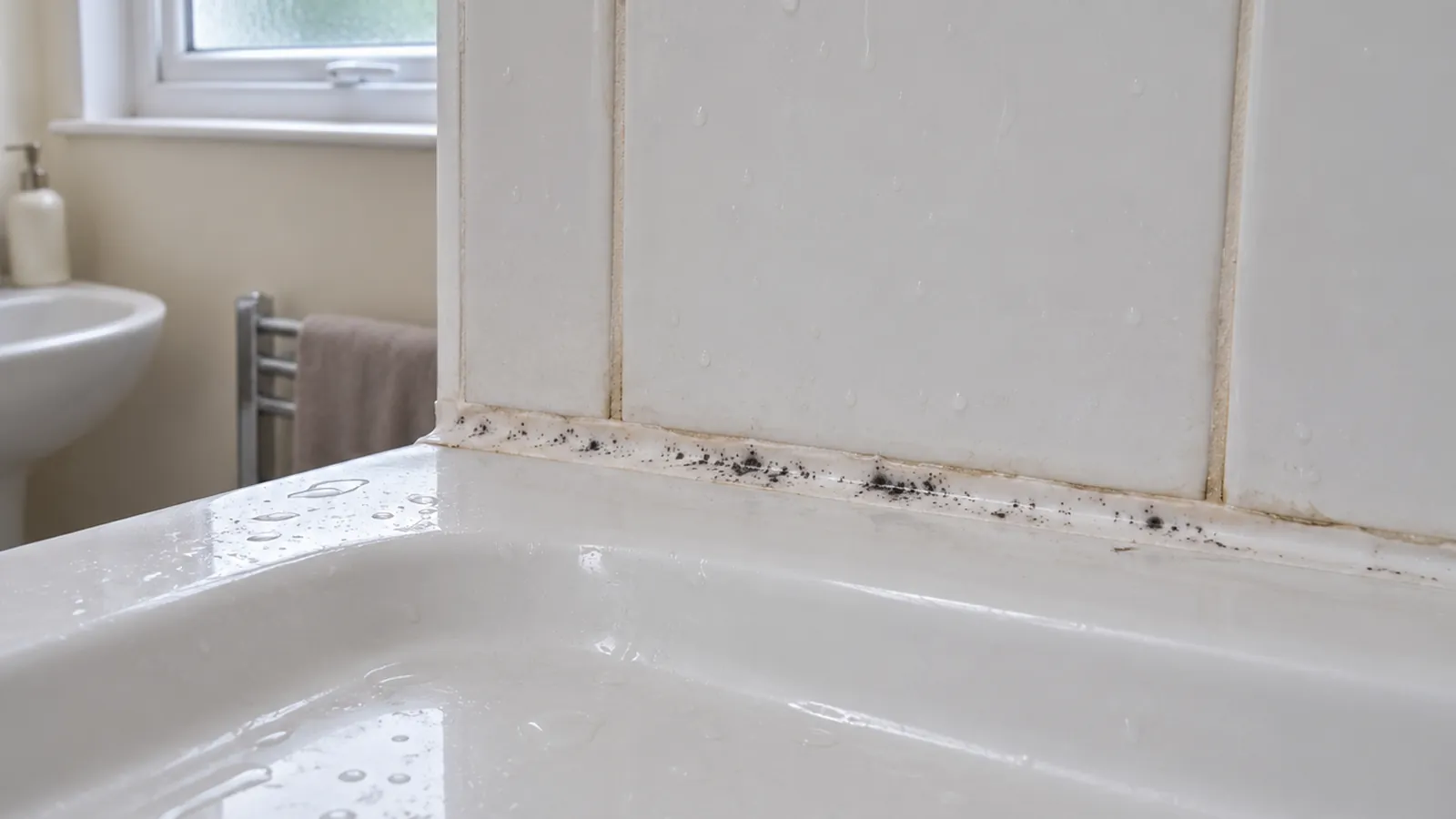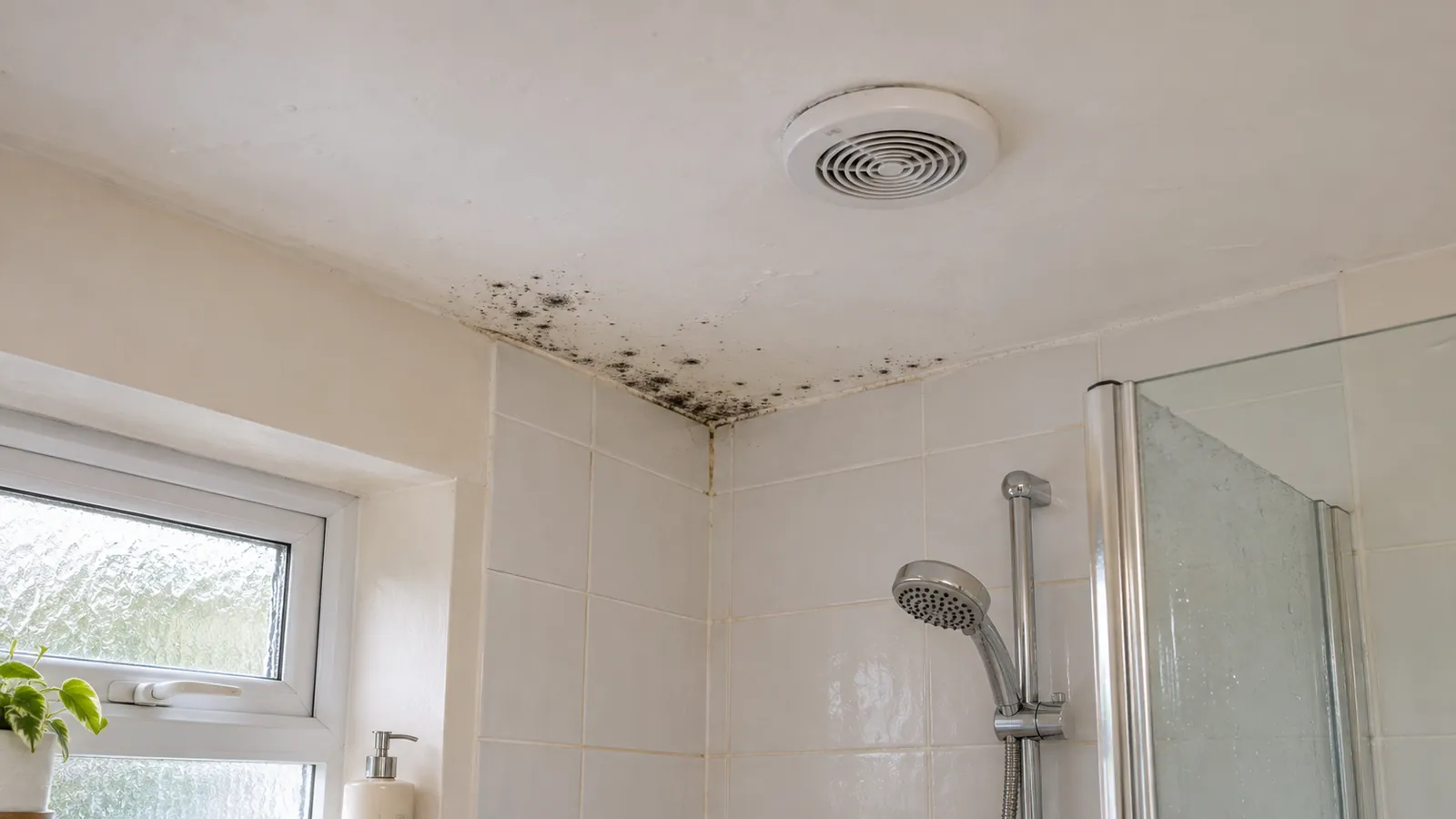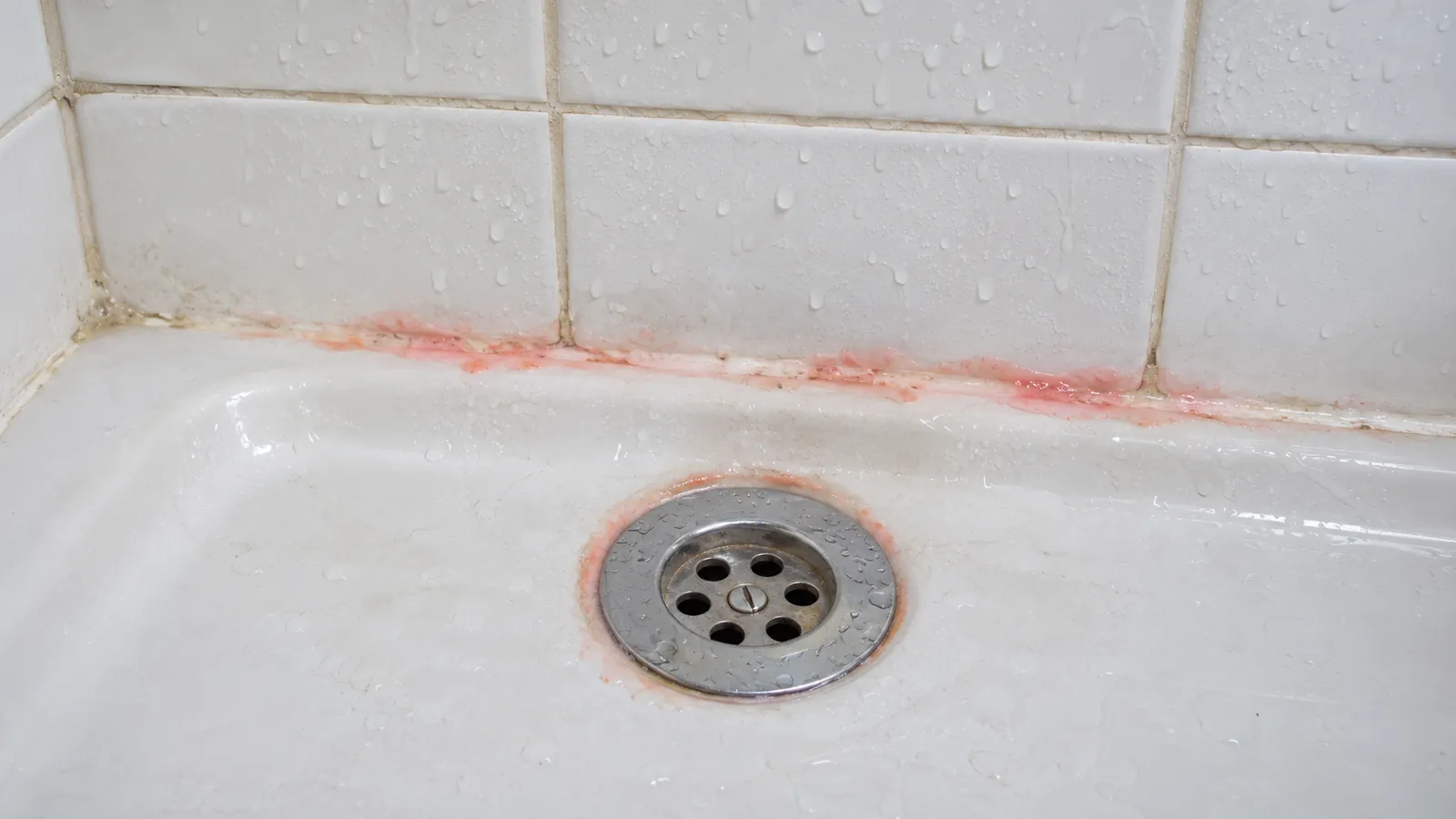


In the UK, your landlord is responsible for fixing damp and mould caused by the building: leaks, rising or penetrating damp, broken extractor fans, poor insulation or faulty heating. They must keep your home fit to live in throughout the tenancy. Tenants are expected to use the home sensibly (heat it, ventilate it and report problems promptly). If you have black mould, report it to your landlord in writing with photos, keep a record, and if nothing happens, contact your council's private housing or environmental health team. Social housing tenants in England are also covered by Awaab's Law, which since 27 October 2025 has set strict deadlines for landlords to investigate and fix damp and mould.
Black mould in a rented home is more than unpleasant. It can damage your belongings and your health, and it's one of the most common reasons tenants complain to councils. The law is firmly on the tenant's side when the cause is the building. For the bigger picture on causes and fixes, see our complete guide to damp and mould.
Who is responsible for black mould in a rental property?
It depends on what's causing it. Mould always needs moisture, and the question is where that moisture comes from.
When it's the landlord's responsibility
Your landlord must fix the cause (and usually make good the damage) when the damp comes from the building or its fittings, for example:
- Leaks from roofs, gutters, downpipes, plumbing, or a bath or shower seal
- Penetrating damp through cracked render, failed pointing or defective windows
- Rising damp, where a damp-proof course has failed or been bridged
- Broken or missing extractor fans in kitchens and bathrooms
- Faulty or inadequate heating, such as a broken boiler or no heating in some rooms
- Poor insulation or cold spots that make condensation unavoidable with normal living
- Windows that can't be opened or have no working trickle vents
Under the Homes (Fitness for Human Habitation) Act 2018, which applies to nearly all tenancies in England, landlords must make sure the home is fit to live in at the start of the tenancy and throughout it. "Freedom from damp" is one of the factors that decides whether a home is fit. Landlords also have long-standing repair duties under the Landlord and Tenant Act 1985 covering the structure, exterior, and the installations for water, heating and sanitation.
When it's the tenant's responsibility
Tenants are expected to live in the home "in a tenant-like manner". In practice that means:
- Using extractor fans, opening trickle vents and airing rooms
- Heating the home reasonably (though you can't be expected to heat it beyond what you can afford if the property is poorly insulated)
- Not blocking air bricks or vents
- Wiping condensation and cleaning small patches of surface mould
- Reporting problems promptly, so they don't get worse
The grey area: condensation
Most black mould in UK homes is caused by condensation, and this is where disputes happen. Landlords sometimes say mould is caused by "lifestyle", such as drying clothes indoors or not opening windows.
But condensation is often down to the building too. A home with no extractor fans, single glazing, thin insulation, cold external walls or a heating system that can't keep it warm will grow mould even when tenants do everything right. Government guidance for landlords, produced with the UK Health Security Agency, is clear that landlords shouldn't blame damp and mould on tenants' lifestyles, and must look for and fix the underlying causes.
A quick test: if mould keeps coming back even though you ventilate, run the fans and heat the home, the building is probably the problem. Keep a simple diary of what you do (heating on, windows opened, fans used) to show you've lived in the home sensibly.
For more on telling the different types of damp apart, see our guide on how to fix damp.
Awaab's Law: what it means for social housing tenants
Awaab's Law is named after Awaab Ishak, a two-year-old who died in 2020 from a respiratory condition caused by prolonged exposure to mould in his family's housing association flat in Rochdale. It came into force for social housing in England (council and housing association homes) on 27 October 2025.
Under the first phase, social landlords must:
| Situation | What the landlord must do |
|---|---|
| Emergency hazard (an immediate, significant risk to health or safety) | Investigate and make safe within 24 hours |
| Significant damp and mould hazard | Investigate within 10 working days of becoming aware of it |
| After the investigation | Give the tenant a written summary of the findings |
| Hazard confirmed | Start work to make the home safe within 5 working days |
| Can't make the home safe in time | Offer suitable alternative accommodation at the landlord's cost |
The law is being rolled out in phases. Later phases extend the same approach to other hazards in social housing, such as excess cold and heat, falls, fire and electrical hazards, from 2026 and into 2027.
Always check the current deadlines in the government's Awaab's Law guidance on gov.uk. The timescales above are the headline rules. Details such as how "working days" are counted and what counts as a significant hazard are set out in the official guidance.
Does Awaab's Law apply to private renters?
Not yet in England. The Renters' Rights Act 2025 gives the government power to extend Awaab's Law to private rented homes. A government consultation on how and when to do this opened on 9 October 2026 and runs until 18 December 2026. The government has said 2027 is the earliest the rules could apply to private landlords. Until then, private tenants rely on the fitness for habitation rules, repair duties and council enforcement described below.
In Scotland, Awaab's Law-style rules on damp and mould came into force in October 2026 and apply to both social and private landlords. Check the Scottish Government's guidance for the exact timescales.
Step by step: what to do about black mould in a rented home
Step 1: Take photos and measure the problem
Before you clean anything, photograph the mould, the surrounding area and any damage to your belongings. Include something for scale (a coin or ruler) and the date. A cheap digital hygrometer (around £10) showing high humidity readings is useful evidence too.

Step 2: Report it to your landlord in writing
Phone calls are easy to forget or deny. Use email, a letter or your landlord's or letting agent's online repair portal, and keep a copy. Describe:
- Where the mould is and how big it is
- When you first noticed it
- Any cause you can see (a leak, a broken fan, a cold wall)
- Any health problems in the household, especially children, older people, or anyone with asthma or another breathing problem
- What you've done to manage it
Template message to your landlord
Subject: Damp and mould at [address]: repair request
Dear [landlord or agent's name],
I'm writing to report damp and black mould at [address]. The mould is in [rooms and locations], covering roughly [size]. I first noticed it on [date] and it has [got worse / come back after cleaning]. I think the cause may be [e.g. a leak above the bathroom / the extractor fan not working / a cold external wall].
I have been heating and ventilating the home and cleaning the mould, but it keeps returning. [Name/s] in the household [has asthma / is a young child / is elderly], so I'm concerned about the health risk.
Please arrange for the cause to be investigated and repaired, and let me know when someone can visit. Photos are attached.
Kind regards, [Your name] [Date]
Step 3: Give the landlord reasonable time
For social housing in England, the Awaab's Law deadlines above apply. For private renting, there's no fixed number of days in law (yet), but a landlord should respond quickly and arrange an inspection within days, not months, especially where there's a health risk. Let them in for inspections and repairs when given proper notice (normally at least 24 hours, except in emergencies).
Step 4: Follow up and escalate inside the landlord's process
If nothing happens, chase it in writing. Housing associations, councils and most letting agents have a formal complaints procedure. Use it, and keep copies of everything.
Step 5: Contact your council
If your landlord won't act, contact your local council's private sector housing or environmental health team. They can inspect the property using the Housing Health and Safety Rating System (HHSRS), which treats damp and mould growth as a hazard. If they find a serious hazard, they can:
- Serve an improvement notice requiring the landlord to do the work
- In serious cases, carry out the work themselves and recover the cost
- Take enforcement action, including fines in some cases
Councils also deal with complaints about council housing through their own housing service.
Step 6: Social housing tenants: the Housing Ombudsman
If you rent from a council or housing association and you're unhappy after their complaints process, you can take it to the Housing Ombudsman Service. The Ombudsman has made damp and mould a priority and can order landlords to carry out repairs and pay compensation.
Step 7: Get advice or take legal action
If the home is unfit to live in, you may be able to take your landlord to court under the fitness for habitation rules or for disrepair, and claim compensation for damaged belongings and inconvenience. Get advice first from Shelter, Citizens Advice or a housing solicitor. Legal aid may be available for housing disrepair where there's a serious risk to health.
What can you do while you wait?
You shouldn't have to put up with mould, but these steps help limit the damage and protect your health in the meantime:

- Clean small patches safely. Wear gloves, goggles and a mask, wet the mould before wiping, and never mix bleach with other cleaners. Our mould removal guide covers the safe method. Photograph before and after.
- Bring the humidity down. Open trickle vents, run fans, air rooms for 10 minutes each morning and wipe condensation off windows. Our guide to condensation on the inside of windows has practical fixes.
- Use a dehumidifier in the worst room. See whether a dehumidifier can also dry your clothes, which helps if you have nowhere else to dry washing.
- Move furniture and belongings a few centimetres away from damp walls, and move clothes out of mouldy wardrobes.
- Keep children's beds away from damp external walls if you can.
If anyone in your home has breathing problems, a cough, wheezing or skin reactions that seem worse at home, see your GP. Tell them about the damp and mould. The NHS says babies and children, older people, people with skin conditions, asthma or other breathing problems, and people with weakened immune systems are most at risk from damp and mould.
Don't withhold rent because of mould. Even if your landlord is in the wrong, stopping payment can put your tenancy at risk. Get advice first.
Can my landlord evict me for complaining?
You shouldn't be evicted for asking for repairs. In England, section 21 "no-fault" evictions were abolished from 1 May 2026 under the Renters' Rights Act 2025, so a private landlord can no longer end your tenancy without a reason in response to a complaint. They must use a legal ground for possession, and any eviction has to go through the courts.
Before that change, the Deregulation Act 2015 already gave some protection against "retaliatory eviction" where a tenant complained in writing and the council served a notice on the landlord. Either way, reporting problems in writing protects you.
Wales and Scotland
- Wales. Under the Renting Homes (Wales) Act 2016, landlords must keep homes fit for human habitation, and damp and mould growth is one of the listed hazards. Contact your council if your landlord won't act.
- Scotland. Private homes must meet the Repairing Standard, and social homes the Scottish Housing Quality Standard. Private tenants can apply to the First-tier Tribunal (Housing and Property Chamber) if a landlord won't do repairs. New damp and mould rules also apply from October 2026.
Landlords: what you should be doing
If you're a landlord reading this, the safest approach is to act quickly on every report of damp or mould:
- Inspect promptly and find the root cause, not just the stain.
- Fix leaks, fans, heating and insulation problems.
- Treat the mould and make good the decoration.
- Explain to tenants in writing what you found and what you did.
- Follow up to check it hasn't come back.
A professional damp survey helps when the cause isn't obvious. Improving insulation and heating also helps your property meet energy efficiency rules. Rented homes in England and Wales must currently have an EPC rating of at least E, and the government has confirmed a move to band C by 2030.
FAQs
Is black mould the landlord's responsibility?
Usually, yes, if it's caused by the building: leaks, rising or penetrating damp, broken fans, poor insulation or faulty heating. Landlords must keep the home fit to live in. Tenants are responsible for using the home sensibly and reporting problems.
How long does a landlord have to fix mould?
For social housing in England, Awaab's Law requires landlords to investigate significant damp and mould within 10 working days and start making the home safe within 5 working days of confirming a hazard. Emergencies must be dealt with within 24 hours. Private landlords don't yet have fixed legal deadlines in England, but must act within a reasonable time.
Can I break my tenancy because of mould?
Not automatically. Leaving without following the proper process can leave you liable for rent. If the home is unfit to live in, get advice from Shelter or Citizens Advice about your options before you move out.
Can I claim compensation for mould damage?
Possibly. If your landlord failed to fix a problem they knew about, you may be able to claim for damaged belongings, inconvenience and health effects. Social tenants can complain to the Housing Ombudsman, and private tenants can seek advice about a disrepair claim.
My landlord says the mould is my fault. What now?
Ask them to inspect and explain the cause in writing. Keep a diary showing you heat and ventilate the home, and point out any building issues such as missing fans, cold walls or leaks. If you disagree, ask your council's environmental health team to inspect.
- Landlords must fix damp and mould caused by the building, and keep the home fit to live in throughout the tenancy.
- Report mould in writing with photos, and keep copies of everything.
- Awaab's Law has set strict deadlines for social landlords in England since 27 October 2025. Private renters aren't covered yet; it could apply from 2027 at the earliest.
- If your landlord won't act, contact your council's environmental health or private housing team, or the Housing Ombudsman for social housing.
- See your GP if anyone's health is affected, and don't withhold rent without advice.
Sources
- GOV.UK: Awaab's Law guidance for social landlords
- GOV.UK: Extending Awaab's Law to private rented tenancies and to licences (consultation)
- GOV.UK: Understanding and addressing the health risks of damp and mould in the home
- GOV.UK: Implementing the Renters' Rights Act 2025, roadmap
- GOV.UK: Guide for tenants: Homes (Fitness for Human Habitation) Act 2018
- NHS: Can damp and mould affect my health?
- Housing Ombudsman Service