
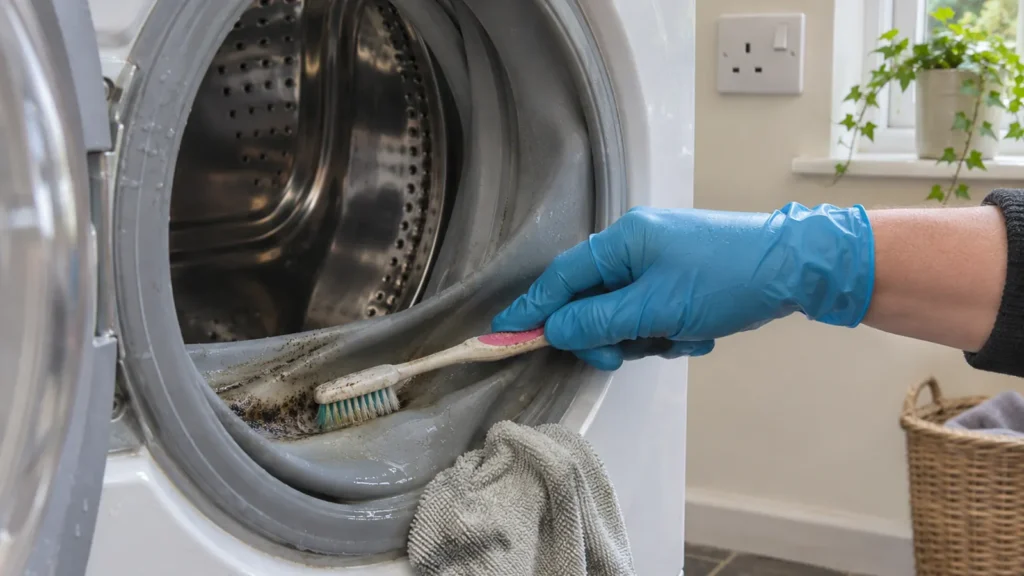
To get mould out of a washing machine seal, pull back the rubber folds, spray or wipe them with a mould remover or a diluted bleach-free cleaner, scrub with an old toothbrush, rinse with a damp cloth and dry the seal fully. Then run an empty hot wash (60 to 90°C, depending on what your manual says). The mould keeps returning because of cool washes, liquid detergent and fabric softener residue, and a door that's shut tight on a wet drum.
If you've spotted black gunk in the rubber seal, or your "clean" washing is coming out smelling like a damp cellar, you're in good company. It's one of the most common household mould problems, and it's quite different from the damp and mould that grows on walls. The machine isn't damp because your house is. It's damp because that's what washing machines are, several times a week.
It isn't harmless, exactly, but it's usually surface grime you can clean in twenty minutes. Whether the seal can be saved is the part worth checking first.
Why a washing machine grows mould
Mould needs moisture, something to eat and time. A washing machine hands it all three.
Low-temperature washes. A 20 or 30°C cycle is kind to clothes and your bills, but it doesn't dissolve detergent or fabric softener fully, and it doesn't do much to the bacteria and fungi in the drum. Beko's own advice makes the point that cold cycles are poor at breaking down residue. Years of 30°C washes is the single most common story in the forum threads.
Residue as food. Liquid detergent and fabric conditioner leave a thin, sticky film, especially if you overdose. Lint, skin cells and fabric fibres stick to that film and collect in the lowest fold of the door seal and in the drawer. That's the mould's dinner.
A closed, damp drum. After a wash there's a puddle of water in the bottom fold of the seal. Slam the door and it sits there in the dark for days.
Overdosing. A lot of people use the amount on the bottle for a full load of heavily soiled clothes, then put in a half load. Too much detergent doesn't rinse out properly, which means more film and more food.
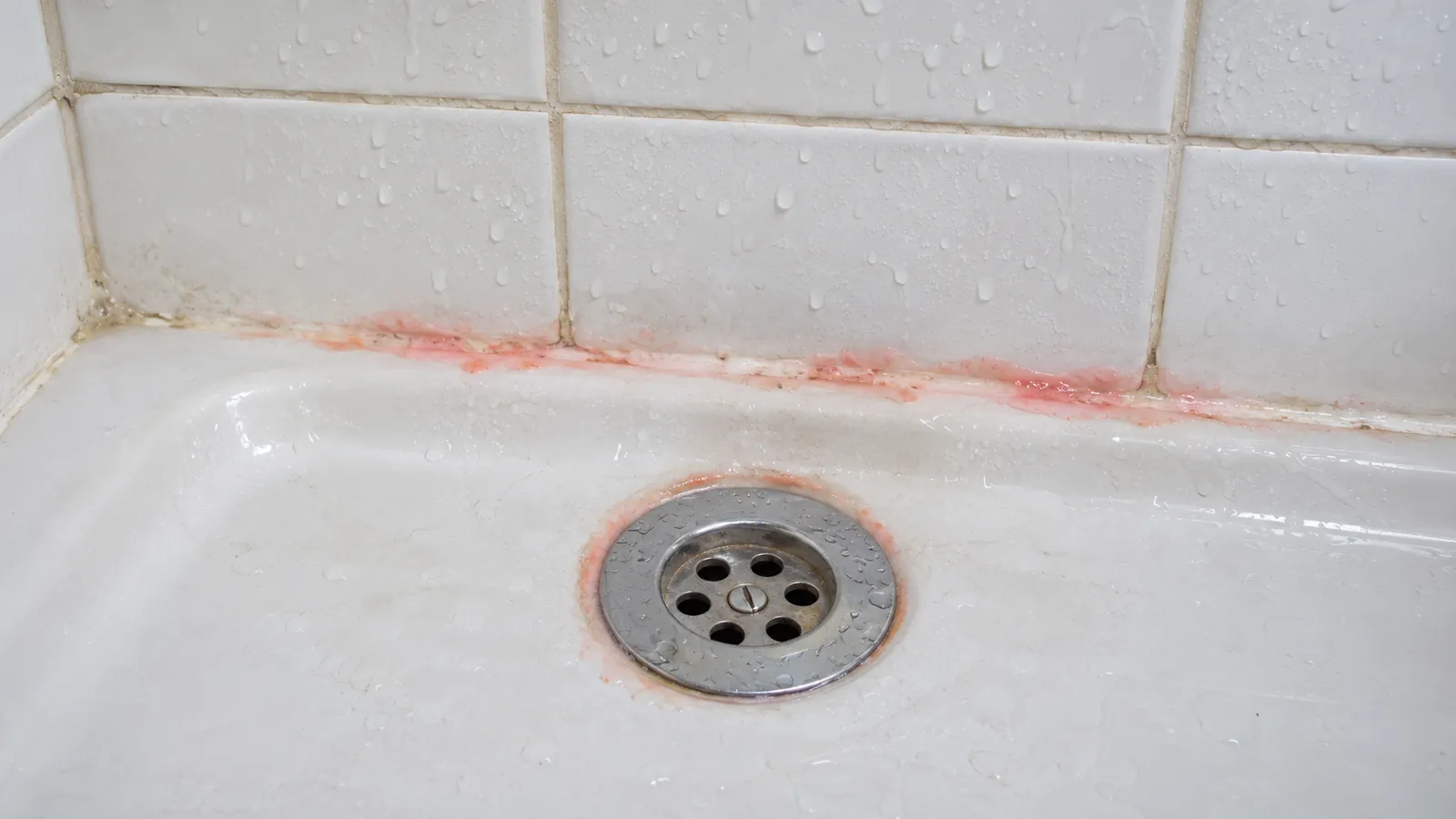
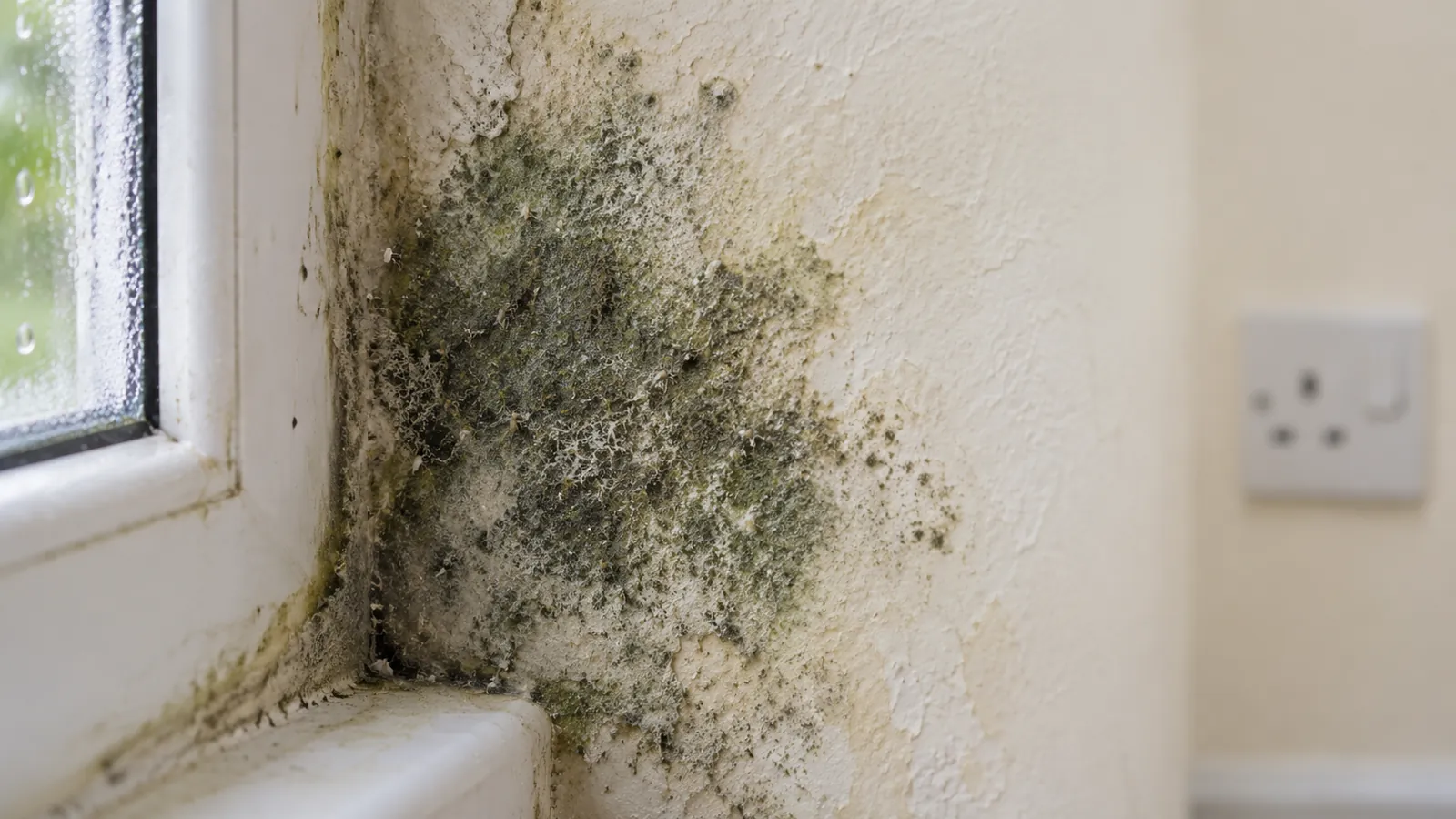
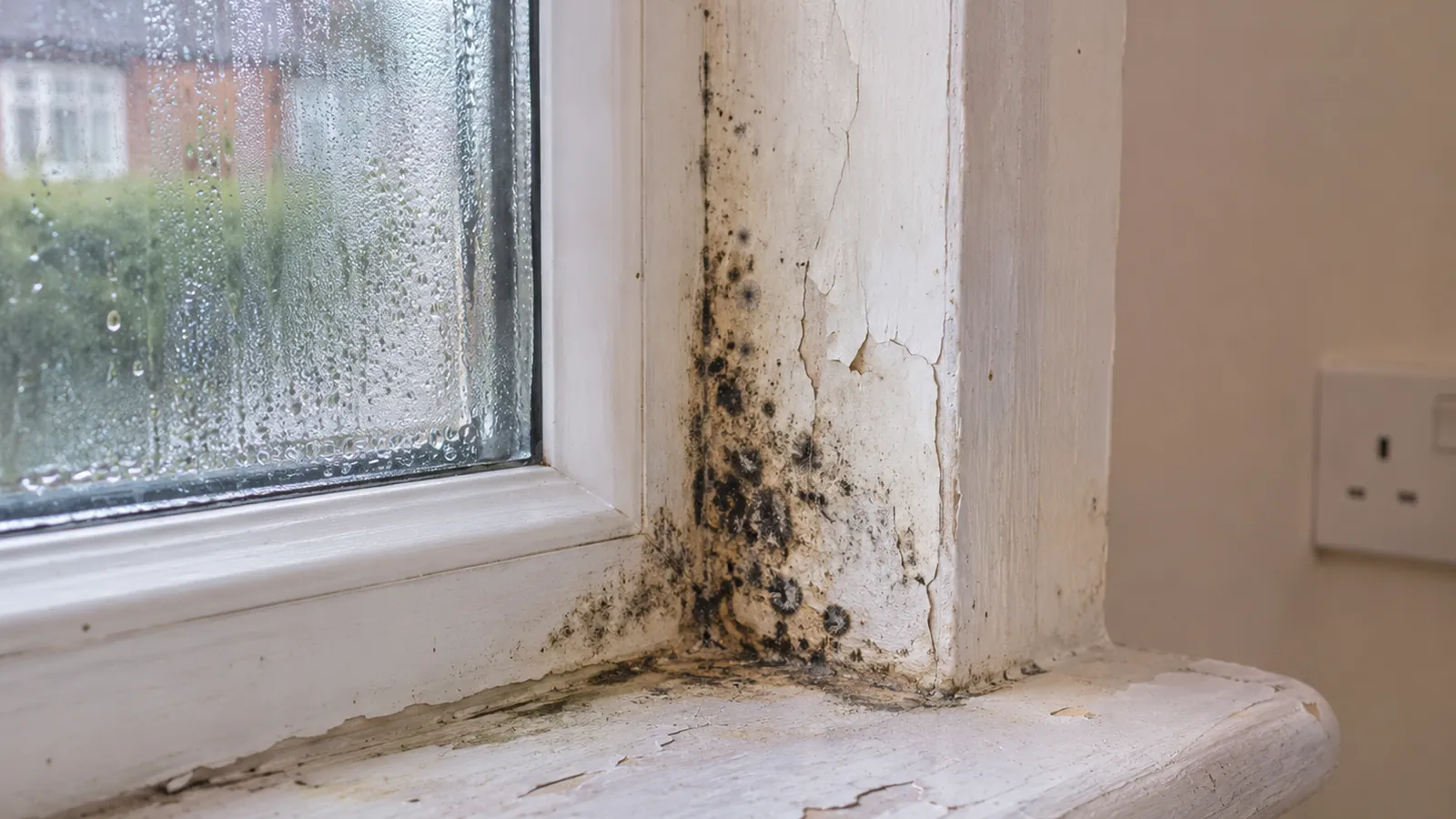
Look at where the mould is. Black spots in the lowest fold of the seal, the tray of the drawer and the rubber ring around the door glass are normal "machine" mould. Black mould on the wall or ceiling around the machine is a separate problem, usually condensation in a utility room or kitchen. See how to fix damp for that.
Is black mould in a washing machine dangerous?
For most healthy people, a bit of mould on a washing machine seal is a hygiene and smell issue, not an emergency. Mumsnet threads on this are full of people saying exactly that, though they're anecdotal rather than medical advice.
But mould is mould. The cross-government guidance on damp and mould (published on GOV.UK, with input from the UK Health Security Agency) says the main health concern is respiratory: coughing, wheezing, worsened asthma and allergies, and a higher risk of infections for people with weakened immune systems. Babies, older people and anyone with a lung condition are at greater risk. That guidance is about homes with damp and mould generally, not washing machines specifically. A closed, damp machine isn't likely to throw spores around until you start scrubbing it.
So the practical advice: clean it, don't ignore it, and wear gloves. If someone in the house has asthma or a weak immune system, open a window, wear a mask while you scrub, and don't be tempted to dry-brush anything. And if your clothes are coming out with black flecks or marks, wash that load again on a hot cycle after you've cleaned the machine.
How to clean mould from a washing machine door seal
You need rubber gloves, an old toothbrush, a few microfibre cloths or kitchen roll, a spray bottle and one cleaning product. Which product is the question that splits opinion.
- Washing-up liquid and warm water: fine for light grime and the safest option for the rubber.
- Bicarbonate of soda paste: a good gentle scrub for stubborn spots.
- White vinegar: often suggested, but some manufacturers warn against using it regularly on seals, as acid can perish rubber over time. Check your manual.
- A shop-bought mould remover or diluted bleach: the heavier option for black staining. Rinse thoroughly, and never mix bleach with vinegar or other cleaners, because that produces toxic gas.
- A washing machine cleaner tablet or powder: designed for the drum, not the seal, but a sensible monthly addition.
Step by step:
- Unplug the machine and open the door as wide as it goes. Put an old towel on the floor.
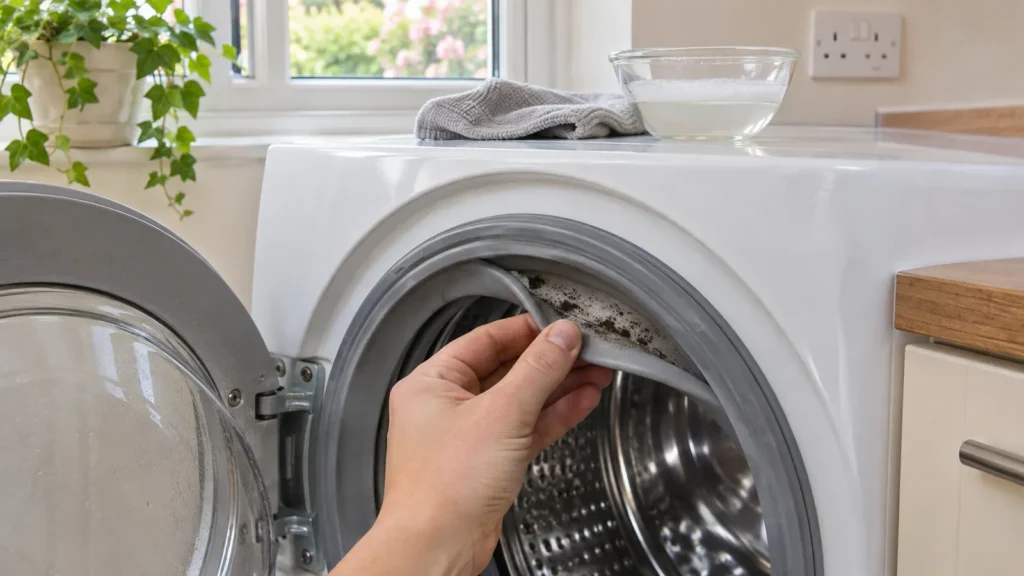
- Pull back the seal. Peel the rubber away from the drum and work around the full circle. The worst of it is usually in the bottom third, where water pools, and behind the lip, which you can't see until you pull.
- Remove anything stuck in there. Hair, socks, tissue, a stray hair grip. You'll often find a surprise, and it's a source of the smell by itself.
- Apply your cleaner to the folds. If you're using a mould remover, leave it for the time on the label, usually 10 to 30 minutes.
- Scrub with the toothbrush, pushing into the creases. Don't use a wire brush or abrasive pad: scratches in the rubber hold more grime later.
- Wipe clean with a damp cloth, then again with clean water so no cleaner remains. Residue will end up on your clothes.
- Dry the seal fully with a dry cloth, including the inside of the fold. Leave the door open.
Don't skip the glass. The inner door glass and its surround collect the same film and need a wipe.
Never mix bleach with vinegar, limescale remover or any ammonia-based product. Keep the room ventilated, and don't put bleach and a descaler through the same wash.
Clean the detergent drawer and its housing
The drawer is the other half of the problem, and often the worse half. Pull it out (most have a release catch or small tab in the middle compartment; check your manual), soak it in hot soapy water for 20 minutes and scrub with a toothbrush. Pay attention to the siphon cap in the softener compartment if it lifts out.
Then shine a torch into the empty slot the drawer sits in. You'll often see black or grey build-up on the roof and sides. Scrub it with the toothbrush and a damp cloth, taking care not to push water into the machine. Dry everything and leave the drawer slightly open.
Clean the filter
Most front-loaders have a small hatch at the bottom right or left, behind a little flap or panel. Behind it is the pump filter, which catches coins, hair and lint. A blocked, wet filter smells terrible and can leave a pool of stagnant water behind it.
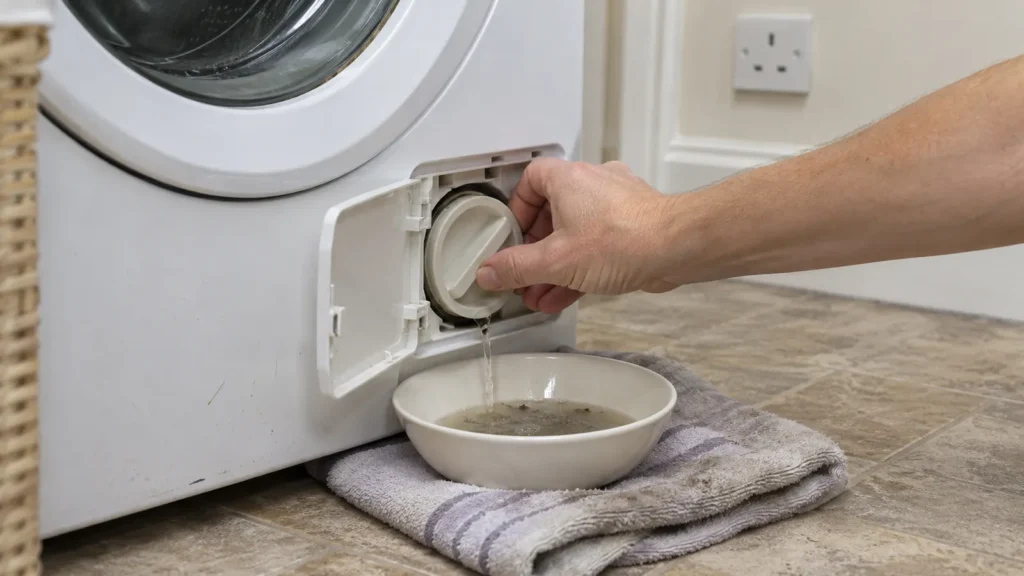
Put a shallow dish and towels down, because water will come out. Many machines have a small drain hose to release it first. Unscrew the filter slowly, clean off the gunk, rinse it under the tap and refit it firmly. Doing it every two to three months is plenty for most households.
Run a maintenance wash
Once the seal, drawer and filter are clean, run an empty hot wash to flush loose residue out of the pipes and drum.
The temperature is where manufacturers differ. Electrolux and AEG machines (support pages on their UK sites) recommend a monthly hot cycle at 90 or 95°C with a cleaning product, if your machine has that temperature. Zanussi suggests a cotton programme at 60 to 90°C with an empty drum where there's no dedicated maintenance programme. Some newer machines have a "tub clean" or "drum clean" setting, which is the one to use. Check your manual: some manufacturers limit the temperature or tell you not to run empty, and a few warn against certain cleaners.
Either way, use a washing machine cleaner or a normal powder detergent (powder, not liquid, because powders typically carry bleach-like ingredients that liquids lack), not fabric softener. Do it about once a month if the machine is in heavy use, and at least once every two or three months for a lighter household.
Running a hot cycle uses more electricity than a cool one. A typical 60°C cotton cycle might use roughly 1 kWh. At 26.32p/kWh that's about 26p. A 90°C cycle will use more, so check your machine's energy label. Once a month, that's not what's driving your bills, and cheaper than replacing a machine. For other ways to cut washing costs, see our energy-saving guides.
When the seal is too far gone
Cleaning will remove surface mould, but mould can stain the rubber black permanently, and over time it can eat into it. A seal needs replacing if:
- the black staining won't shift after two proper cleans
- the rubber is cracked, split, torn or has gone sticky or crumbly
- it leaks water around the door during a wash
- the smell comes back within a week or two of a thorough clean
Some seals only look dark but are structurally fine. Stained but intact is cosmetic. Cracked or leaking is not.
Cost. Hedging heavily here, because it varies by brand and model: a replacement door seal (gasket) commonly costs somewhere from about £25 to £100 for the part, based on 2026 prices for common models, with rarer or premium brands more. Fitting by an engineer might add £80 to £200, depending on where you live and how long the job takes. If your machine is more than eight to ten years old and the repair bill is approaching half the price of a new one, replacing the machine may make more sense.
DIY difficulty. It's doable if you're patient, but it's fiddly. You usually need to remove a retaining clip or spring wire around the seal (sometimes at both the drum and the front panel), and on some models take off the front or the top panel. The hardest part is refitting the seal so the drain holes line up and it seats properly. Find a video for your exact model number before you buy anything. If your machine is under warranty, call the manufacturer first, and if you rent, tell your landlord. A leaking seal on a rented machine is not usually your cost.
Habits that stop it coming back
- Wipe the seal after the last wash of the day. Pull the fold back and dab out the water. It takes ten seconds.
- Leave the door and the drawer ajar when the machine isn't running. If you have young children or pets, a sturdy door-stop is safer than leaving it hanging open, so take care.
- Do a hot wash regularly. Make one of your normal loads (towels, bedding) a 60°C wash, rather than running every load at 30°C.
- Use less detergent. Follow the dose for your water hardness and load size, and use a bit less for half loads. Soft water areas need less.
- Ditch or cut back on fabric softener. It's the biggest contributor to the sticky film, and most clothes don't need it.
- Take wet washing out straight away. Damp clothes left in the drum for hours smell and feed the mould.
- Keep the room ventilated. A utility room with no window and a tumble dryer running is humid. Use the extractor or open a window. If condensation is a wider problem, our guide to condensation on the inside of windows covers the whole-house fixes.
If you've got a front-loader and a baby or a small child, you might also see a few tiny white specks moving in damp spots near the machine. Those are probably mould mites, a sign the area is too damp.
FAQs
Why does my washing machine smell even after cleaning?
Usually because something's still hiding: the back of the seal, the drawer housing, the filter or the drain hose. A smell that returns within days points to a seal that's absorbed the mould, or a blocked filter holding stagnant water.
Can I use vinegar to clean washing machine mould?
It's popular, and it does work on light grime. But some manufacturers advise against regular use on rubber seals, as acid can degrade them over time. Use it occasionally, rinse well and check your manual first.
How often should I run a maintenance wash?
Manufacturers commonly say once a month for regular use, at 60 to 90°C depending on the model. If you do mostly cool washes, do it monthly. If you already wash towels at 60°C every week, you can stretch it.
Is mould on washing machine seals harmful to clothes?
It can leave black marks or a musty smell on washing, and may bother skin or airways if you're sensitive. Re-wash affected clothes on a hot setting after cleaning the machine.
Can I stop mould by leaving the door open?
It helps a lot, but it's not enough on its own if you're also overdosing detergent and washing everything at 20°C. Open door, dry seal, less detergent and a regular hot wash work together.
Should I replace a mouldy washing machine?
Not for mould alone. Clean it first. Replace the seal if it's cracked, leaking or permanently stained after proper cleaning, and only think about replacing the whole machine if it's old and the repair costs a large share of a new one.
- Machine mould is mostly caused by cool washes, detergent and softener residue and a door shut on a wet drum.
- Clean the seal, drawer and filter, then run an empty hot wash at the temperature your manual gives (60 to 90°C).
- Replace the seal if it's cracked, leaking or the smell keeps returning after a proper clean.
- Wipe the seal, leave the door ajar, use less detergent and do regular hot washes.