A combi boiler loses pressure when water is escaping from the sealed heating system, or when a part that controls pressure has failed. The most common causes are a small leak (radiator valves, pipe joints, under the boiler), recently bled radiators, a leaking pressure relief valve (look for drips from the copper pipe outside), and a faulty expansion vessel. Check for leaks yourself first. If you can't find one, a Gas Safe engineer can test the expansion vessel and valves.
Topping up a boiler now and then is normal. Topping up every week or two isn't: your boiler is telling you something. Here's how to track down the cause. New to this? Start with what your boiler pressure should be, or see the full home heating guide.
First: how fast is it dropping?
The pattern of the pressure drop is the best clue to the cause.
| Pattern | Most likely cause |
|---|---|
| Drops slowly over weeks | Small leak, or a weeping radiator valve |
| Dropped right after bleeding radiators | Normal: just top up |
| Rises a lot when heating is on, then drops when cold | Expansion vessel problem |
| Drops, and there are drips from a pipe outside | Pressure relief valve (PRV) |
| Drops fast (within a day or two) | Significant leak: check everywhere, including under floors |
1. A leak somewhere in the system
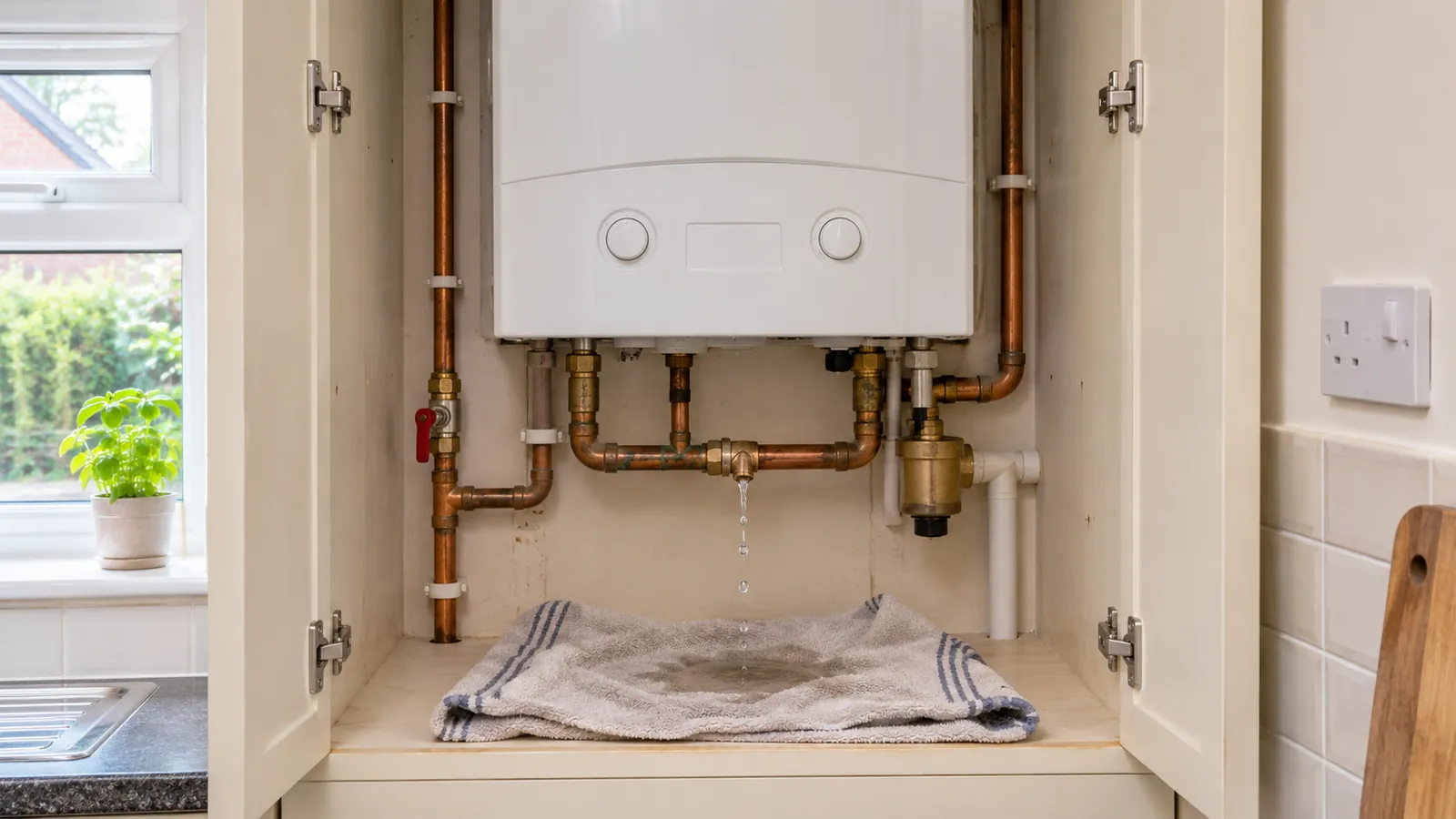
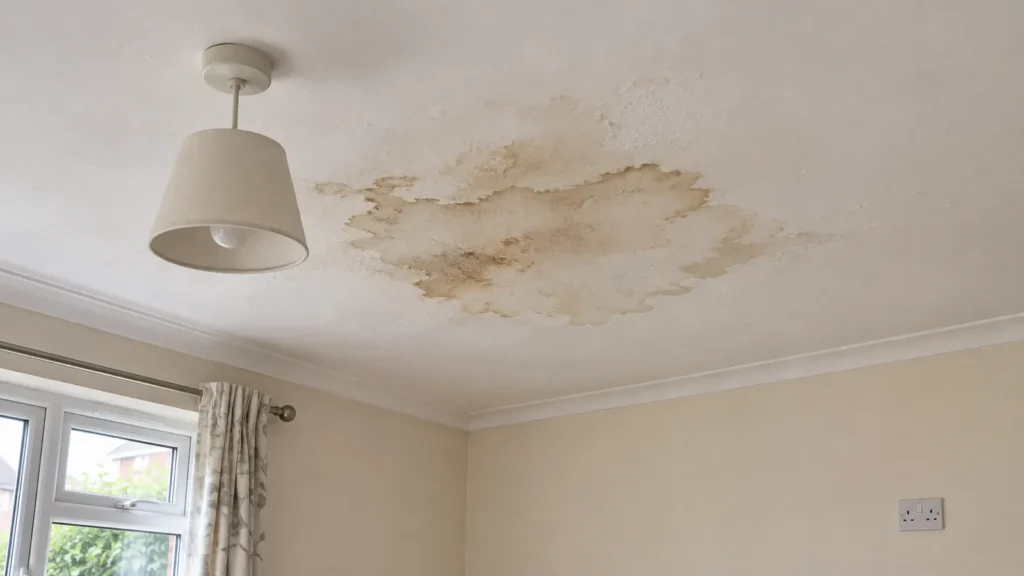
Your heating is a sealed loop. If pressure falls, water is getting out, even if you can't see a puddle. Small leaks on hot pipes often evaporate before they drip.
What to check (with the heating on so pipes are hot):
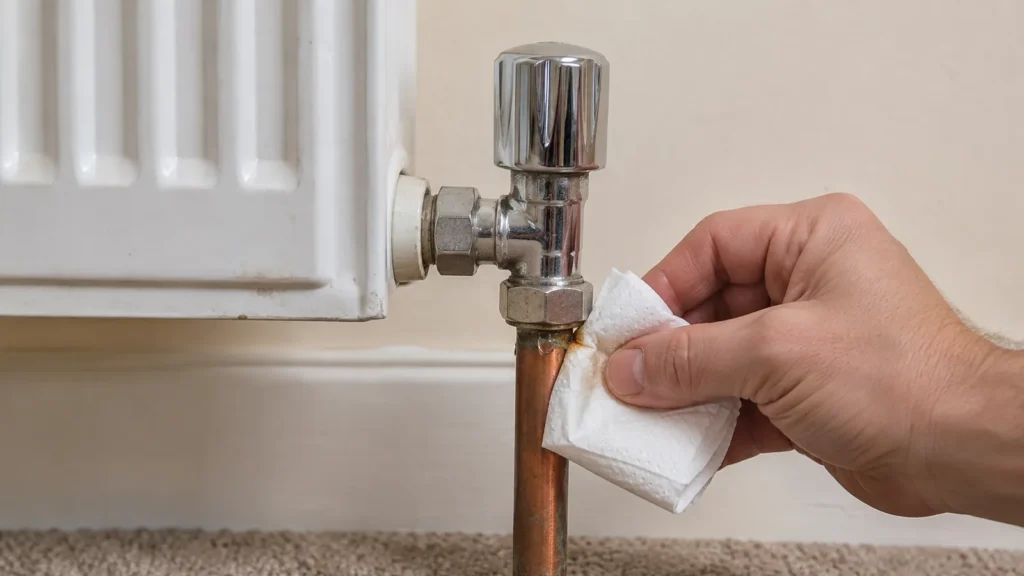
- Radiator valves at both ends of every radiator. Run a dry tissue around each valve and joint.
- Radiator bodies. Rust spots or white crusty deposits often mean a pinhole.
- Under the boiler. Pipe joints, the filling loop and the bottom of the casing (don't open it).
- Exposed pipework in airing cupboards, under sinks and behind toilets.
- Ceilings and floors. Brown stains or lifting floorboards can mean a hidden leak.
Dry kitchen roll is the best leak detector you own. Wrap or wipe it around joints and valves, then look for damp marks or rusty brown stains.
2. You've recently bled the radiators
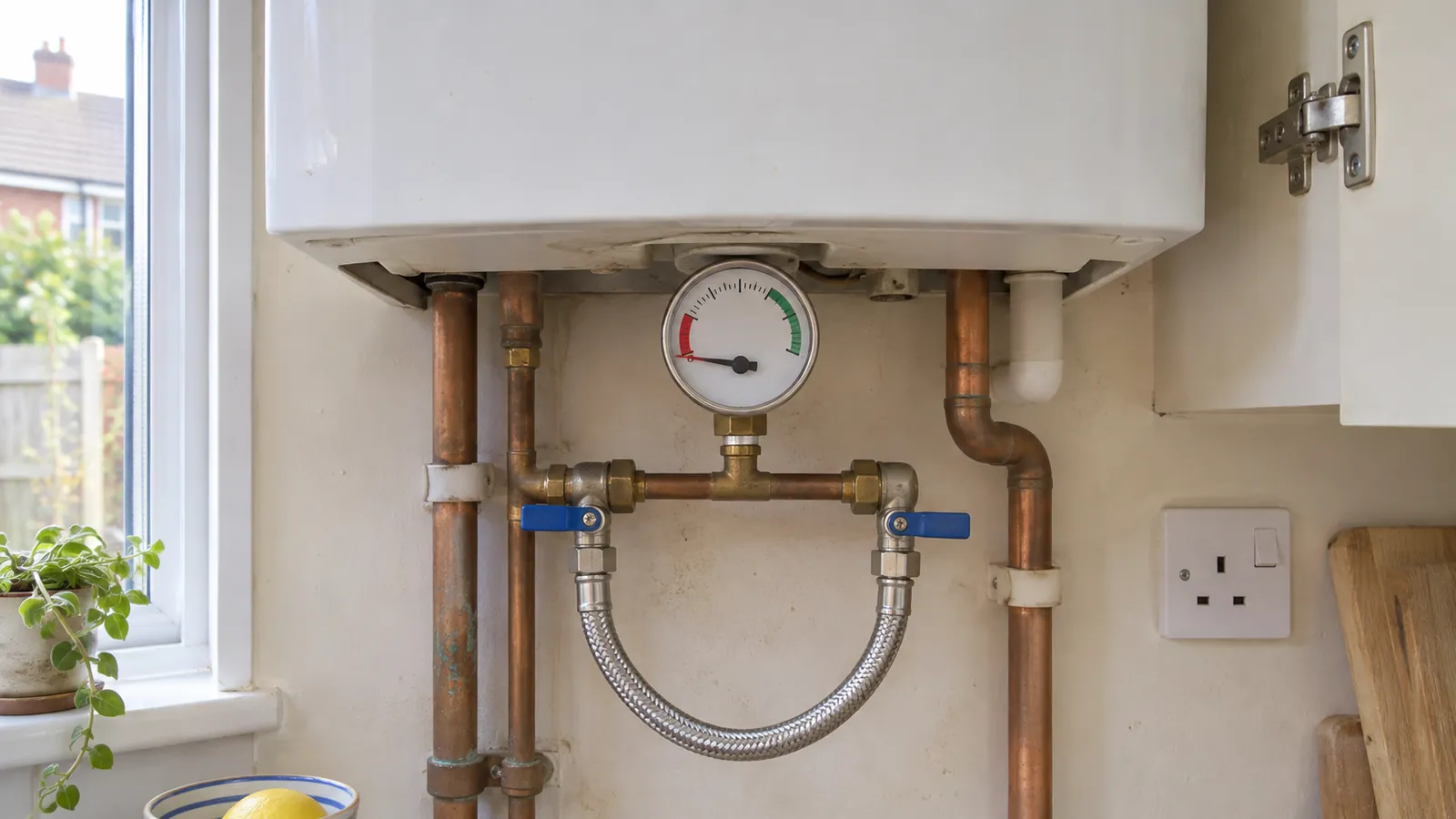
Bleeding lets out trapped air, and a little water with it, so pressure drops. This is completely normal. Top the pressure back up to 1–1.5 bar once you've finished.
3. A leaking pressure relief valve
The pressure relief valve (PRV) is a safety valve that opens at about 3 bar. It connects to a copper pipe that runs through the outside wall, usually close to the boiler and often pointing down at the ground.
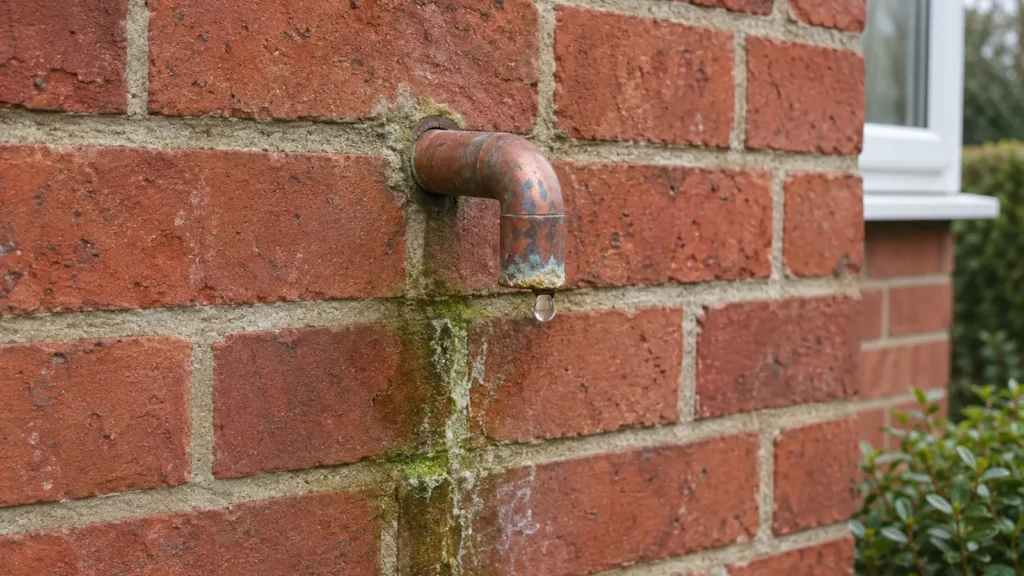
- If that pipe drips, or there's a wet patch or staining under it, the PRV is releasing water.
- Either the pressure is getting too high (often an expansion vessel fault), or the valve is worn and no longer seals.
The PRV is part of the boiler, so replacing it is a job for a Gas Safe registered engineer.
4. A faulty expansion vessel
The expansion vessel is a tank inside or next to the boiler with a cushion of air that absorbs the extra volume when the water heats up. When that air charge escapes, the system has nowhere to expand.
Symptoms: pressure shoots up towards 3 bar when the heating runs, the PRV dumps water outside, then the pressure is low once everything cools down. You top up, and the cycle repeats.
An engineer can re-charge the vessel (often a quick job) or replace it if the rubber diaphragm inside has split.
5. A leaking automatic air vent
Many boilers have an automatic air vent that releases trapped air. If it sticks or wears, it can let out water too. It sits inside the boiler casing, so an engineer needs to check it.
6. A recent installation or repair
New radiators, a power flush or a new boiler can leave air in the system for a few weeks. As the air works its way out and you bleed radiators, the pressure drops. Top up as needed; it should settle within a few weeks.
What you can safely do yourself
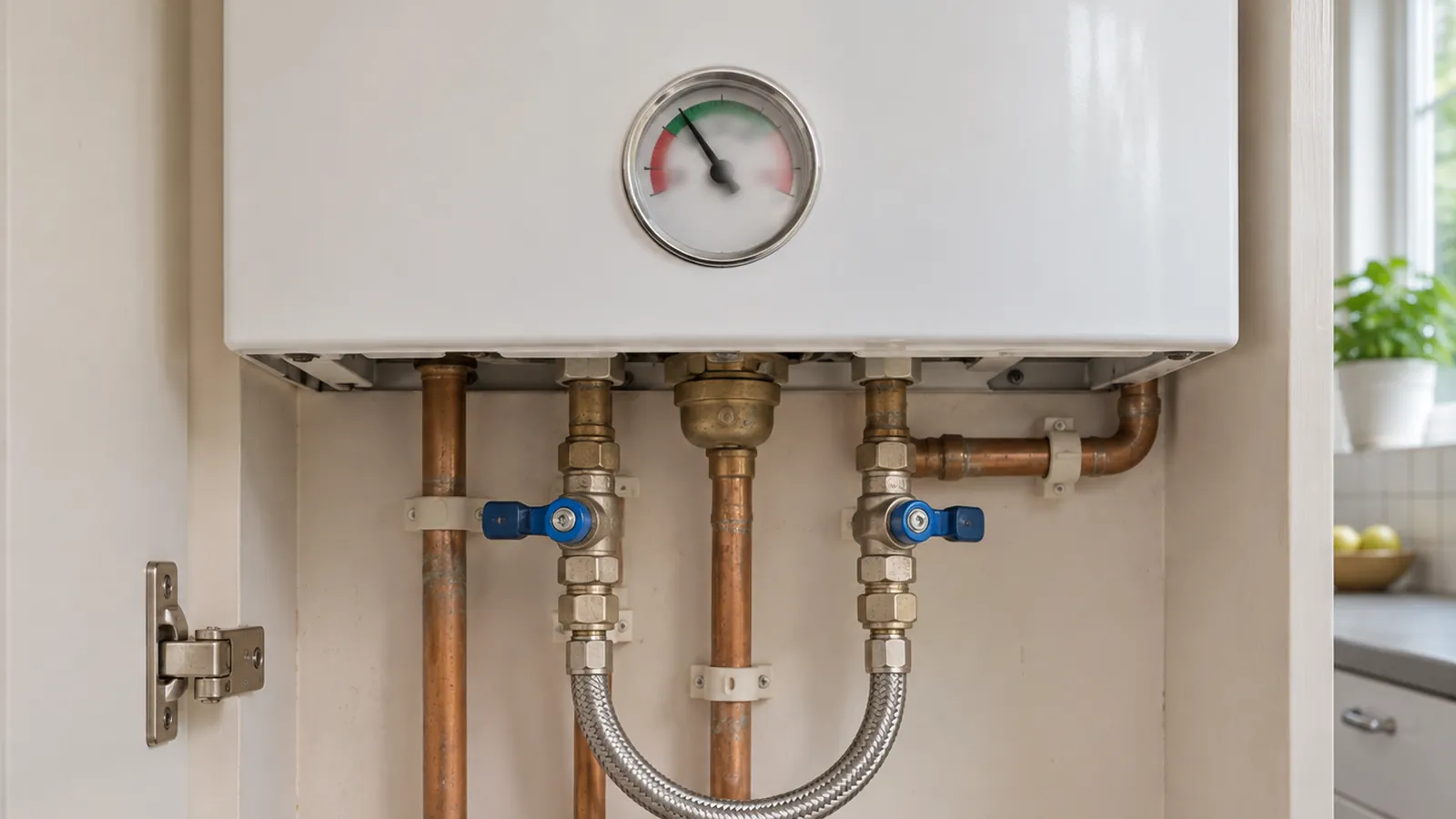
- Top up to 1–1.5 bar using the filling loop, with the boiler cold.
- Keep a log. Note the date and pressure, then check daily. An engineer will find this useful.
- Check every radiator, valve and visible pipe for leaks with kitchen roll.
- Check the PRV pipe outside for drips or staining.
- Make sure both filling loop valves are fully closed, so water isn't quietly seeping in and masking the problem.
Don't open the boiler casing, adjust the pressure relief valve, or try to re-charge the expansion vessel inside the boiler yourself. Anything inside the boiler is a job for a Gas Safe registered engineer. If you smell gas, call the National Gas Emergency number on 0800 111 999.
How much does it cost to fix?
| Repair | Typical UK cost |
|---|---|
| Engineer call-out and diagnosis | £60–£120 |
| Re-charge the expansion vessel | £60–£120 |
| Replace the expansion vessel | £150–£350 |
| Replace the pressure relief valve | £100–£200 |
| Fix a leaking radiator valve | £60–£150 |
| Trace a hidden leak (pressure test / leak detection) | £150–£400 |
Prices vary by region and boiler. Check whether your boiler is still under warranty, or covered by a boiler cover plan, before booking.
FAQs
How often should you have to top up a combi boiler?
Ideally no more than once or twice a year. If you're topping up every few weeks, there's a leak or a failing part to find.
Is it dangerous if my boiler keeps losing pressure?
Low pressure itself isn't dangerous: the boiler simply locks out to protect itself. But leaking water can damage floors, ceilings and electrics, and a relief valve that keeps discharging needs checking. Get it looked at.
Why does my boiler lose pressure when the heating is on?
Usually because water is escaping through the pressure relief valve as pressure rises with the heat, a classic sign of an expansion vessel fault. Check the copper pipe outside for drips.
Why does my boiler lose pressure but there's no visible leak?
The leak may be hidden under floors or inside walls, the relief valve may be discharging outside, or the automatic air vent may be leaking inside the boiler. An engineer can pressure-test the system to find out.
Can a boiler lose pressure without a leak?
Pressure can drop slightly as air escapes after bleeding radiators or a recent repair. A steady drop week after week almost always means water is leaving the system somewhere, or a pressure part has failed.
- Regular pressure loss means water is escaping, or a pressure part has failed.
- Check radiator valves, pipe joints and the relief valve pipe outside first.
- Pressure that jumps when hot and then falls points to the expansion vessel.
- Anything inside the boiler needs a Gas Safe engineer.