Rising damp is groundwater soaking up through a wall because the damp-proof course (DPC) is missing, damaged or bypassed. The classic signs are a tide mark up to about 1 metre above the floor, white salt deposits, crumbling plaster and rotting skirting boards. It's much rarer than often claimed: most "damp" in UK homes is condensation or penetrating damp. Check outside ground levels, air bricks and render first, then get an independent survey before paying for treatment, which typically costs £1,500–£6,000 for a house.
Few home problems cause more confusion, or more unnecessary spending, than rising damp. This guide explains how to recognise it, how it differs from condensation and penetrating damp, what actually causes it, and what a fair price for treatment looks like. For an overview of every type of damp, see our damp and mould guide.
What is rising damp?
Bricks, stone and mortar are porous. Without a barrier, water in the ground is drawn up into walls by capillary action, like a sponge standing in a puddle. That's why most UK homes built since the late 1800s have a damp-proof course: a waterproof layer (slate, bitumen felt or plastic) laid in the wall a little above ground level.
Rising damp happens when groundwater gets past that barrier, either because there isn't one (some older homes), it has failed, or, most commonly, something is bridging it so water can climb around it.
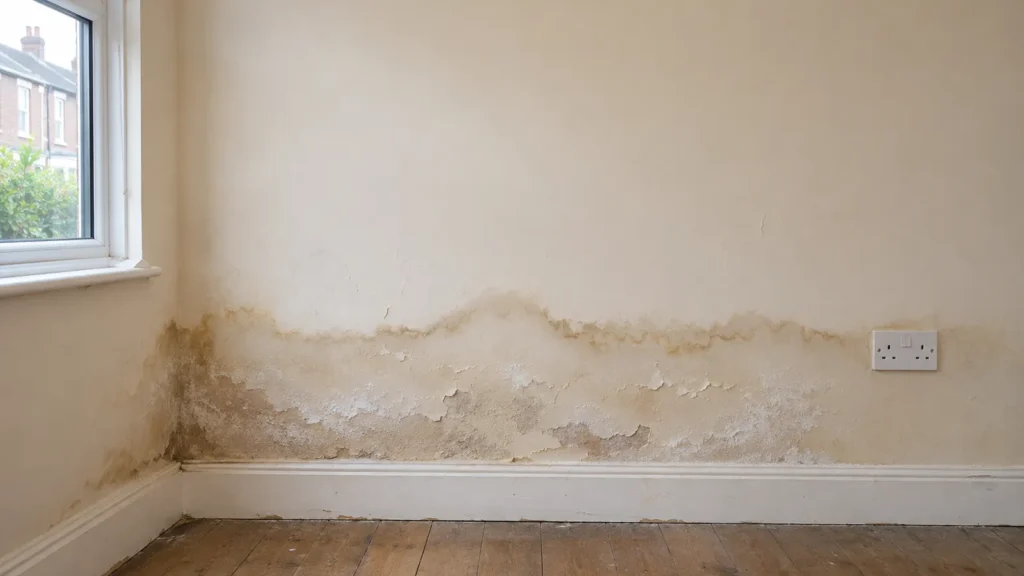
Signs of rising damp
| Sign | Rising damp | Condensation | Penetrating damp |
|---|---|---|---|
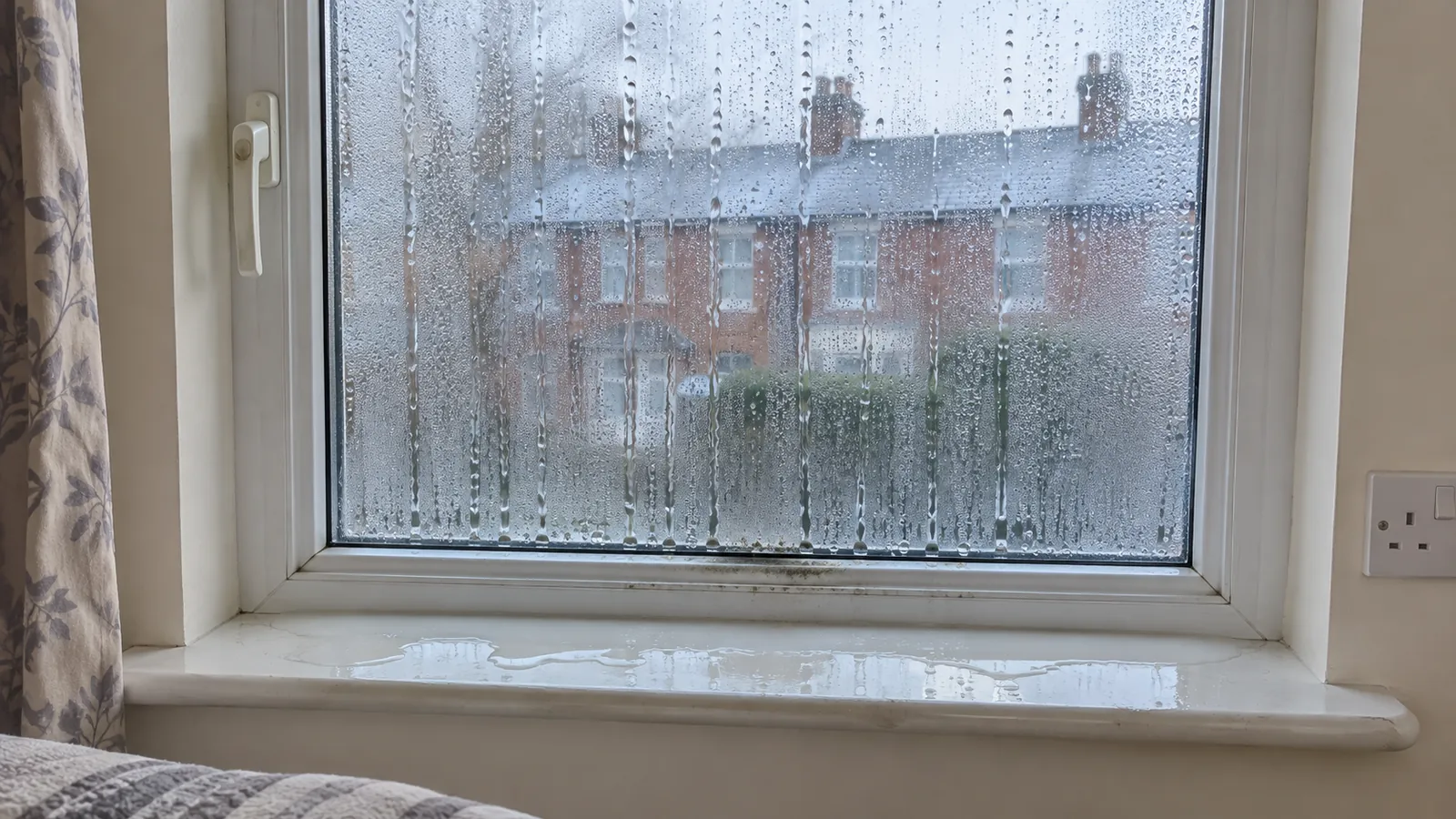
| Where it appears | Bottom of walls, up to about 1 m | Cold surfaces, corners, windows, behind furniture | Anywhere a wall or roof lets rain in |
| Pattern | Horizontal tide mark | Black mould spotting | Patch that grows after rain |
| Salt deposits | Yes, white fluffy bloom | No | Sometimes |
| Worse when | All year, slowly | Winter, cold mornings | After heavy or driving rain |
| Floors / skirting | Rotting skirting, lifting floors | Rarely | Sometimes, below the leak |
The early signs of damp to look for:
- A tide mark or stain rising from the skirting board
- White, powdery salts (efflorescence) on the plaster
- Bubbling or flaking paint, crumbling plaster at low level
- Rotting or warped skirting boards and floor timbers
- A damp, musty smell in ground-floor rooms
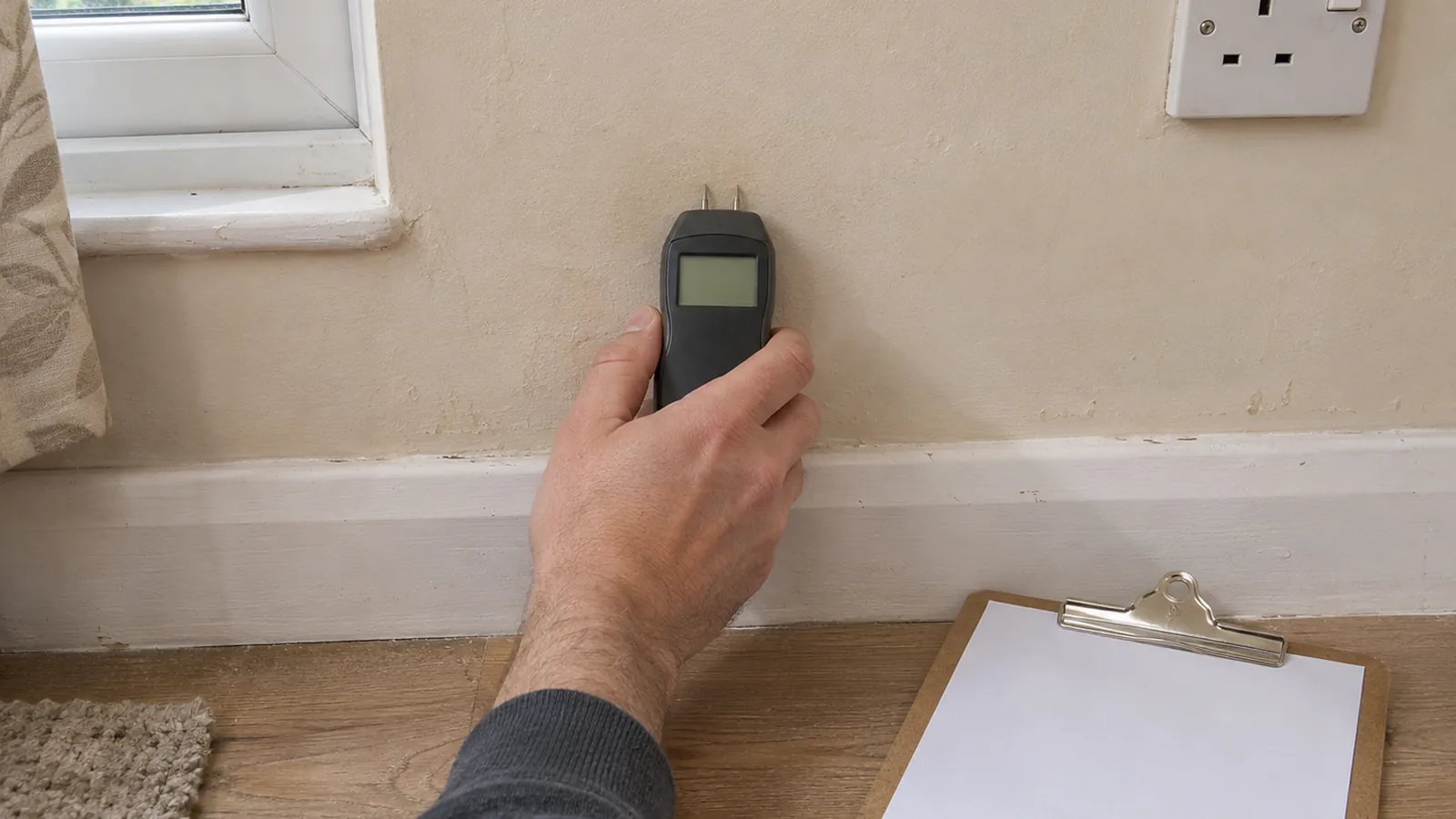
A damp meter reading on its own doesn't prove rising damp. Salts in old plaster conduct electricity and can give "damp" readings on dry walls. That's one reason why genuine rising damp is often over-diagnosed.
Is rising damp a myth?
Not quite, but it is much less common than many damp-proofing companies suggest. Building surveyors and conservation bodies regularly report that walls diagnosed with rising damp turn out to have a simpler, cheaper cause: high external ground levels, leaking gutters, bridged cavities, blocked air bricks or condensation.
So before agreeing to any injection treatment:
- Fix the obvious outside causes listed below.
- Let the wall dry out (it can take months).
- Get an independent survey from someone who isn't selling the treatment. See damp survey costs.
What causes rising damp?
| Cause | How to check | Fix |
|---|---|---|
| Ground or path level too high | Outside, the ground should be at least 150 mm (two bricks) below the DPC | Lower the soil, cut back paving, add a drainage channel |
| Render or plaster bridging the DPC | Render running down to the ground outside, or plaster down to the floor inside | Cut a gap in the render above the ground; stop plaster short of the floor |
| Blocked air bricks | Air bricks below floor level covered by soil, paving or plants | Clear them so the underfloor space can ventilate |
| Debris in a cavity wall | Mortar droppings at the base of the cavity bridging inner and outer walls | Specialist removal |
| Leaking pipes or gutters | Wet patches near downpipes, overflowing gutters | Repair the plumbing or guttering |
| Missing or failed DPC | Common in pre-1875 solid-wall homes, or very old felt DPCs | Breathable approach or new DPC (see below) |
Rising damp vs penetrating damp
Penetrating damp is rainwater getting sideways through walls, roofs or around windows, and is often called water ingress. It appears at any height, typically gets worse after rain, and is caused by things like cracked render, failed pointing, blocked gutters, defective flashing or leaking window seals.
Rising damp comes up from the ground, sits within about a metre of the floor, and doesn't change much with the weather.
| Rising damp | Penetrating damp (water ingress) | |
|---|---|---|
| Direction | Upwards from the ground | Sideways through walls or down from roofs |
| Height | Up to about 1 m | Any height, including ceilings |
| Linked to rain? | No | Yes, usually worse after rain |
| Typical fix | Remove bridging, improve drainage, sometimes a new DPC | Repair the outside of the building |
How to treat penetrating damp walls internally
You can't properly fix penetrating damp from the inside: the cure is stopping water getting in outside. Inside, once the source is fixed, let the wall dry, then repair plaster with a breathable lime-based or salt-resistant plaster and use breathable paint.
Can you get rising damp on internal walls?
Yes, on ground-floor internal walls built off the ground (solid internal walls on their own foundations). Without a DPC, or where the floor has been raised or re-laid against them, these walls can draw up moisture too. Upstairs internal walls can't have rising damp.
How is rising damp treated?
- Remove the cause first: lower outside ground levels, cut back bridging render, clear air bricks, fix gutters and pipes.
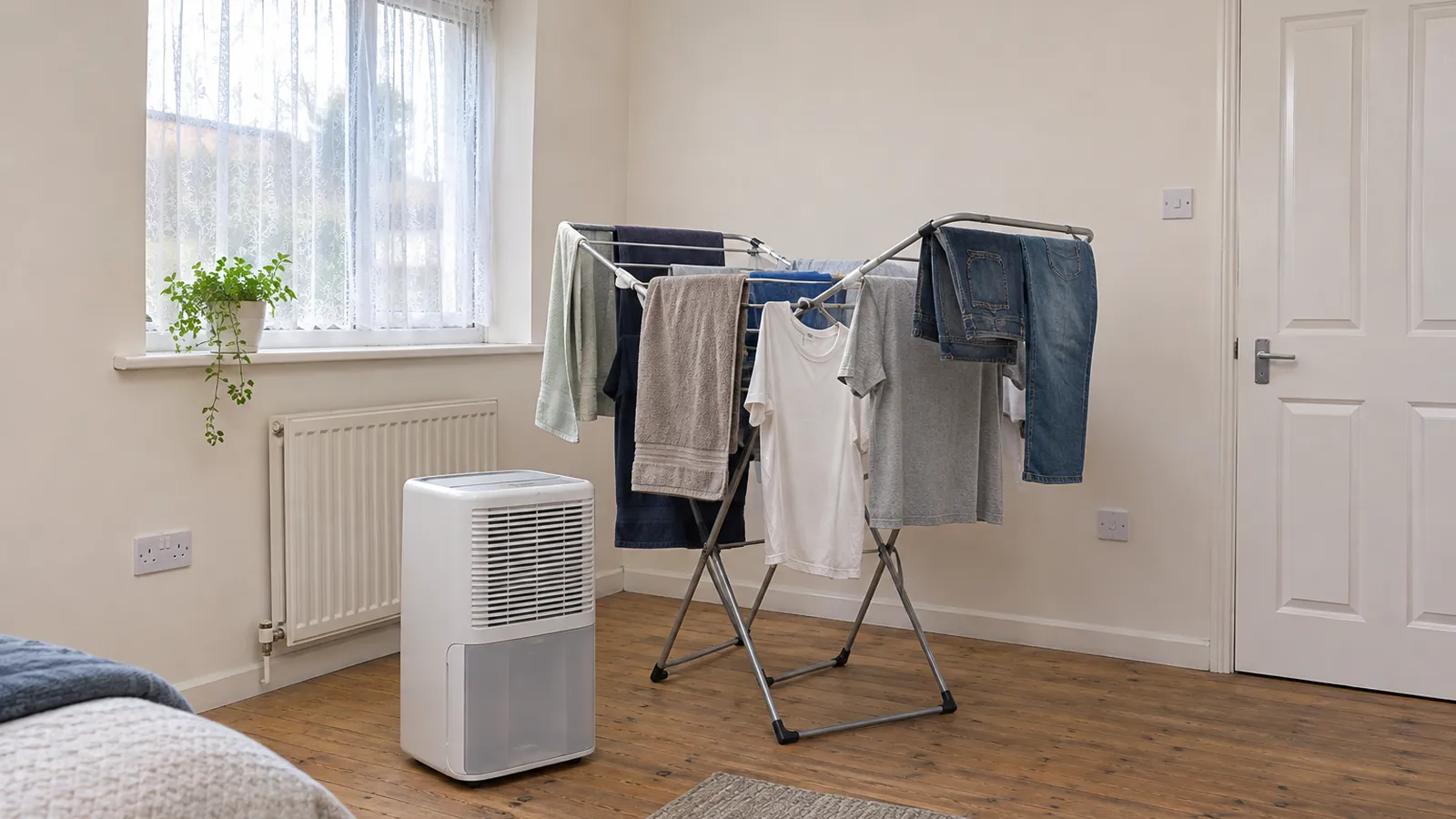
- Let the wall dry: often a few months, helped by heating and ventilation.
- Replace salt-contaminated plaster with breathable or salt-resistant plaster.
- Only if needed, install a new damp-proof course, usually a chemical cream injected into drilled holes in the mortar.
Older solid-wall homes (stone, lime mortar, pre-1919) usually do better with a breathable approach (lime plaster, better drainage, ventilation) than with injected DPCs and cement-based plasters, which can trap moisture.
Be wary of free damp surveys from companies that sell damp-proofing: they have a financial interest in finding rising damp. For anything costing more than a few hundred pounds, pay for an independent survey first.
How much does rising damp treatment cost?
| Work | Typical UK cost |
|---|---|
| Clear air bricks, lower soil, cut back render | £0–£500 (often DIY) |
| Independent damp survey | £250–£600 |
| Chemical DPC injection (per wall) | £300–£900 |
| Chemical DPC injection (whole terraced house) | £1,500–£3,500 |
| Hack off and replaster affected walls | £500–£2,500+ |
| Full rising damp treatment (semi-detached, with replastering) | £3,000–£6,000 |
| Cellar or basement waterproofing | £3,000–£10,000+ |
Prices vary with region, wall thickness and how much plaster needs replacing. Always get two or three written quotes and ask what guarantee is included, and who backs it.
FAQs
What are the first signs of rising damp?
A tide mark or stain on the lower part of a wall, white salt bloom on the plaster, flaking paint and crumbling plaster just above the skirting, and rotting skirting boards.
How do I know if it's rising damp or condensation?
Condensation causes black mould spotting on cold surfaces, especially in winter and at any height. Rising damp causes a tide mark and salts, low down on walls, all year round.
Can rising damp be fixed permanently?
Yes, usually by removing whatever is bridging the damp-proof course and, where genuinely needed, installing a new one and replastering with suitable plaster.
Is rising damp covered by home insurance?
Usually not. Most policies exclude gradual deterioration and damp. Sudden water damage from a burst pipe is a different matter.
What does water ingress mean?
Water ingress means water getting into a building from outside, through walls, roofs, windows or around doors. It's another name for penetrating damp.
Does rising damp affect buying or selling a house?
Yes. A survey may flag it, and buyers or lenders may ask for an independent damp report or a treatment guarantee. Get an independent survey rather than relying on a free one from a treatment company.
- Real rising damp is rarer than often claimed: rule out condensation and penetrating damp first.
- Signs: tide mark up to about 1 m, white salts, crumbling plaster, rotting skirting.
- Most cases are caused by bridging: high ground, render or blocked air bricks.
- Get an independent survey before paying £1,500–£6,000 for treatment.